
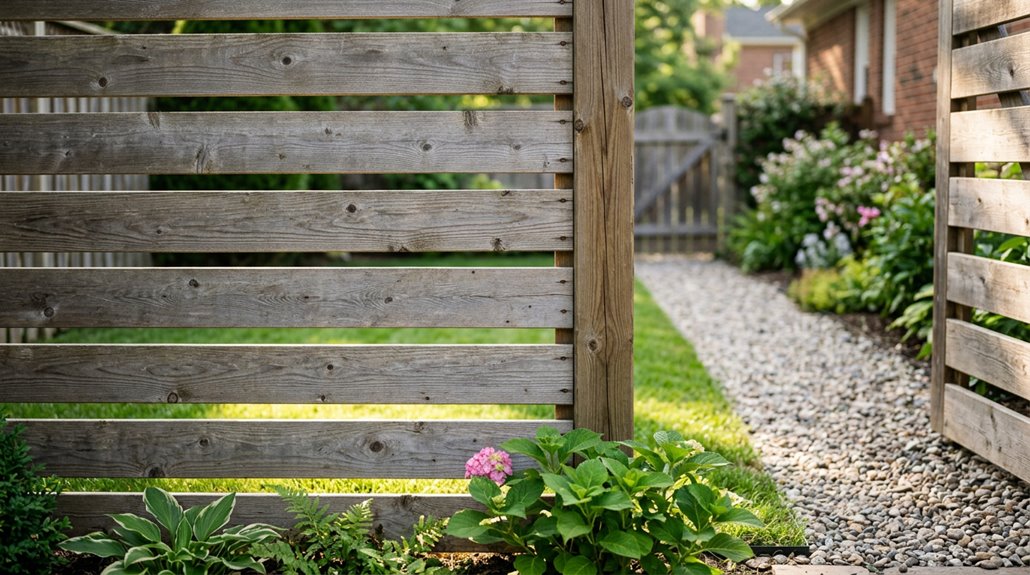
A good neighbor fence treats both yards equally, like splitting a pizza straight down the middle. You’re not hiding ugly posts on your neighbor’s side while keeping your polished boards to yourself. Instead, finished sides face outward from both properties, shared costs split 50/50, and maintenance responsibilities get documented in writing. This approach establishes equal partnership between neighbors. Shadow box designs look great from both angles. Getting the boundary line right and following local codes matter too, which requires careful attention to regulations.
What Makes a Good Neighbor Fence Different
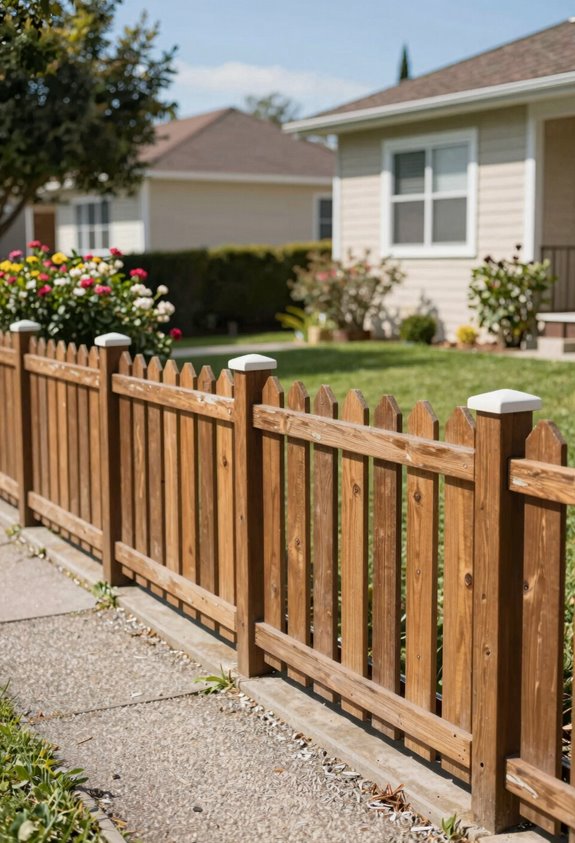
Ever notice how some fences look great from one side but like a janky construction zone from the other? That’s where a Good Neighbor Fence changes the game. I’ve seen it transform relationships between properties because it treats both yards equally. The finished, decorative side faces outward toward each neighbor, with no ugly posts glaring at anyone.
This fence design demands equal responsibility. You and your neighbor split costs and maintenance duties, ideally through a written agreement. That shared commitment builds community feeling. The visual symmetry matters too. Boards or panels appear polished from both sides, sometimes alternating to avoid one dominant front view. It’s the most considerate approach to boundary fencing because both parties benefit equally from the appearance and maintenance structure.

MULTIPURPOSE GARDEN FENCE: This is the perfect garden fence border to enhance the beauty of your landscape. It's a great animal barrier to keep unwanted guests from your lawn, garden beds, and flowers. It’s also a great decorative garden or edging fence.

Safe & Sturdy: Our fences have been tested by Intertek, an independent testing facility as well as passed California Proposition 65 to ensure safety for both people and our pets. Metal stakes are designed with rounded ball tips to protect from injury. The upgraded metal rods have been designed to be more easily inserted into the ground for more stability and rigidity, which ensures your dogs won't knock them over.

WHAT'S INCLUDED: 5 Panels+6 Stakes in a bundle. Each fence panel is 36 inch (H) x 24 inch (W), each stake height is 43.5 inches, linear length 10 feet, Black color.
Why Finished Sides Matter in Good Neighbor Fences
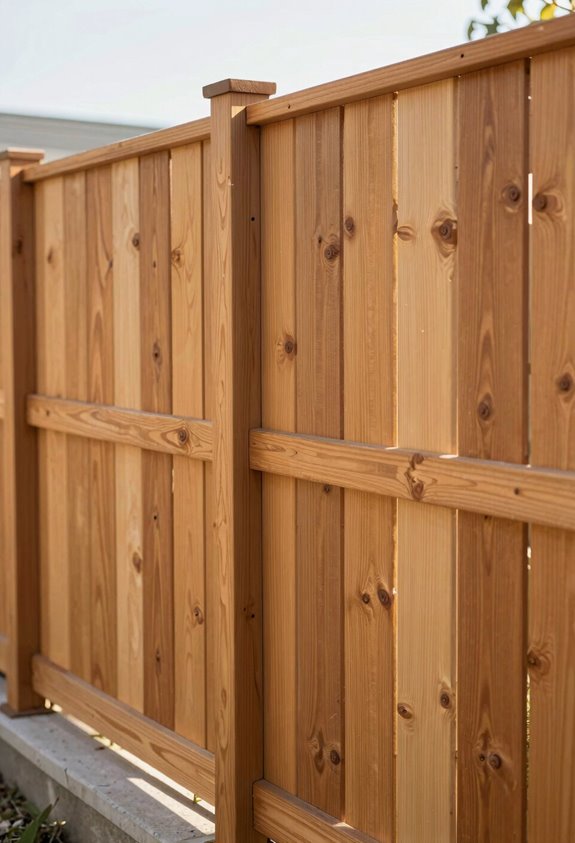
Why would you want your neighbor staring at a mess of exposed posts and rails every time they glance out their back window. That’s where the finished surface comes in. It’s your fence’s way of showing respect.
A good neighbor fence flips the script. You’re basically saying, “Hey, I care about your view too.” The finished boards face their property while the structural guts stay hidden on your side. It creates symmetry that benefits everyone.
| Aspect | Your Side | Their Side |
|---|---|---|
| What Shows | Posts, rails | Polished boards |
| Visual Impact | Functional | Beautiful |
| Message Sent | “I’m fair-minded” | “We’re equals” |
This balanced approach builds community. Nobody feels like second-class neighbors. Both properties maintain consistent aesthetic standards.

Classic White Picket Fence Design: these fence-themed Bulletin Board Decoration Classroom feature a classic white fence design, accented with grass patterns; The vivid design adds charm to classrooms, school blackboards, and learning spaces; Perfect for fence decorations, spring themes, garden themes, and art classroom decor

Comes with 12 pieces of white 3d wall panels, total covers 32.3 square feet; size of each tile: 19.7" x 19.7"

What You Get: The package includes one baseball coach board, one dry erase marker, one pen holder and one metal ring. The metal ring can allow for a 360° swivel, the clip can also hold the files you need, helping you find information and write easily
Cedar vs. Other Materials for Shared Fences
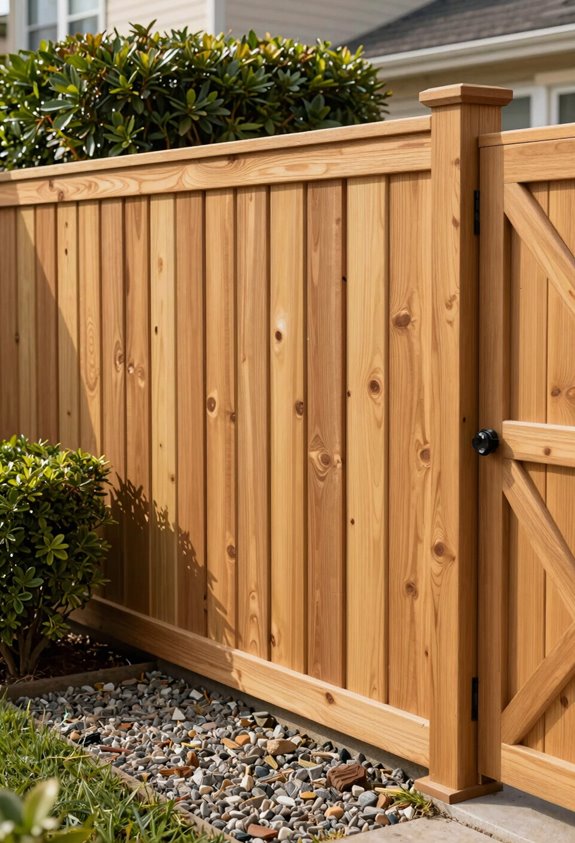
When you’re picking materials for a Good Neighbor Fence, cedar stands out because it inherently resists rot and bugs, weathers beautifully with a stain, and lasts longer than most softwoods. This means you’re not replacing boards every few years like you might with cheaper alternatives. Cedar costs more upfront, noticeably more, but that higher initial investment often pays for itself over time since you’re not constantly paying for repairs or full replacements. If you’re considering vinyl or composite instead because they look like cedar and seem cheaper, understand that you’re trading lower maintenance headaches for a steeper price tag and potentially less of that natural appeal that makes neighbors happy to look at the fence from their side too.

1 SCREEN PURCHASE: You will receive preassembled materials to construct 1 cedar wood outdoor privacy screen in a charcoal finish with your purchase

low carbon steel material, powder coating surface treatment

Package Includes: Each package includes 8 packs aluminum fence brackets for vinyl fencing along with 80 pieces screws, making it easy and convenient to renovate or repair your fence without having to purchase additional hardware.
Cedar’s Durability and Longevity
How long will your Good Neighbor Fence actually stay in place? Cedar durability genuinely impresses me. Unlike vinyl or metal neighbors, cedar resists decay and insects naturally. You can expect decades of privacy panels without structural failure.
Cedar does demand respect. You’ll need periodic staining or sealing to keep that beautiful color from weathering into silver-gray (which some folks love, but requires maintenance commitment). Ground contact and poor drainage are cedar’s critical vulnerabilities. I’ve seen perfectly good posts rot faster than expected when drainage gets ignored.
When you invest in proper post placement and maintenance, cedar becomes a long-lasting choice that looks warmer and friendlier than its competitors. Your neighbors will notice the difference.
Cost Comparison Among Materials
Most folks get sticker shock when they start pricing fence materials. Cedar’s initial material cost is its biggest selling point. You’re looking at roughly $15–25 per linear foot compared to vinyl’s $20–40. Pressure-treated pine costs even less, maybe $8–15, but it warps like a potato chip if you don’t seal it constantly.
Cedar splits the difference well. Yes, you’ll drop more cash upfront than pine, but you’re gaining natural rot resistance that actually ages gracefully. Think of it as paying a little extra now versus becoming best friends with your caulk gun later. Composite materials will cost you $25–50 per linear foot, but they require minimal maintenance. The choice depends on your budget and willingness to perform regular upkeep.
Why Even Post Spacing and Solid Framing Matter
Ever notice how some fences look like they’re doing the twist after just a few years.
That happens when you skip two critical steps: even post spacing and solid framing. Fences fail almost always because someone got lazy with the foundation.
When you space posts unevenly, those alternating boards can’t sit symmetrically. You’ll get wonky gaps and boards fighting each other for position. It’s like trying to build with Legos on uneven ground.
Solid framing is your fence’s backbone. It prevents sagging and keeps everything aligned through seasons of weather and wear. Six-foot privacy fences especially need sturdy support, as that’s a lot of surface catching wind.
Investment in proper spacing and framing now means your Good Neighbor Fence will last decades instead of months.

【Gravity Self Locking Gate Latch】Privacy Fence Latch made from heavy gauge steel construction with Superior Black Powder Coat Finish & Zinc Plated corrosion resistance, features a self-latching fingertip release, designed to latch in or out swinging gates and doors up to 3 inch thick.

【Gravity Self Locking Gate Latch】Privacy Exterior Fence Latch made from heavy gauge steel construction with Superior Black Powder Coat Finish & Zinc Plated corrosion resistance, features a self-latching fingertip release, can also be operated with a pull string.

【Self-latching Design】Self-latching fingertip release Latch, Automatically locking,Conveniently Using,for inward and outward swinging gates and doors.
Why Symmetrical Panels Make Both Neighbors Happy
When’s the last time you saw a fence where one side looked like a showroom and the other looked like it’d been through a tornado?
That’s exactly what a shared fence should never be. Symmetrical panels change everything. Your neighbor will appreciate your fence for these reasons:
Symmetrical fence panels change everything. Your neighbor will appreciate a shared fence that shows equal respect to both properties.
- Both yards see equal quality. Finished boards on both sides mean nobody’s stuck looking at the rough, weathered backside.
- Clear boundaries feel fair. Symmetry communicates that both properties matter equally, creating mutual respect between neighbors.
- Your home’s curb appeal doubles. When both neighbors maintain matching appearance, the whole block benefits.
I’ve watched neighbors transition from fence feuds to friendly waves once symmetry entered the picture. It’s not magic; it’s basic fairness. When you invest in a good neighbor fence with balanced panels, you’re saying that your neighbor’s view counts as much as yours. That simple acknowledgment shifts how neighbors relate to each other and their shared space.

250 Training Flags - Which Will Cover Up to 2500 Linear Feet of Boundary Wire. Set One Flag Every 10 Feet

Choose Your Wire: In-ground wire is sold separately so that you can purchase the gauge best for your yard; PetSafe offers Standard (20 Gauge) and Heavy Duty (16 Gauge) in varying lengths
Good Neighbor vs. Shadow Box Fences
Symmetrical panels solve a lot of neighbor drama, but they’re not your only option. Shadow box fences offer something genuinely special: they look identical from both sides. No “finished” versus “rough” situation. Nobody’s stuck staring at the business end of your fence.
| Feature | Good Neighbor Fence | Shadow Box Fence |
|---|---|---|
| Appearance | One polished side | Identical both sides |
| Posts | Inside, hidden | Integrated design |
| Cost | Generally cheaper | Pricier upfront |
| Maintenance | Shared burden | Shared equally |
| Neighbor Vibes | Good—but asymmetrical | Perfect symmetry |
Shadow boxes cost more because you’re building essentially two fences at once. But you’re buying genuine equality. Both neighbors see the same 4-6 inch pickets and rails. The symmetrical design eliminates the visual hierarchy that creates neighborhood tension. Discuss this option with your neighbor before deciding which fence truly fits your situation.

DIMENSIONS: Each unit is 41" H x 44" W and includes 2 complete fence panels with posts for a total of 88in of fence.

DIMENSIONS: This fence panel measures 30"H x 42"W

WHAT'S INCLUDED: 8 Fence Panels+9 Stakes in a bundle. Each fence panel sized 48”(H) x 31” (W), the linear length 20.3 feet, Black color.
Codes, Permits, and HOA Rules for Your Area
Before you grab a shovel and start digging post holes, your dream fence might need permission from your local government, your HOA, or both.
Most areas require permitting, and your local building department won’t let you slide. Here’s what you’ll typically face:
- Height restrictions – Usually 4–6 feet for side yards, sometimes lower for front-facing areas
- Material requirements – Fire-safety codes might ban certain woods; corner lots need visibility clearance
- HOA rules – These can be surprisingly strict about design, color, and setback distances
Before starting, grab those codes and rulebooks. Thirty days’ written notice to neighbors is standard practice. Getting it right upfront prevents the costly expense of tearing down a fence later.

What You Get: The package includes one dry erase clipboard, one marker, one pen holder and one metal ring. The metal ring can allow for a 360°swivel, the clip can also hold the files you need, helping you find information and write easily

🏆【Double-Sided Coach Clipboard】R2Depot magnetic coach marker boards have a full court design on the front and a half court design with a notes section on the back, can make the coach's competitive strategy more visible and easier for athletes to understand

Nothing ruins a day quite like an unfortunate nail situation. Snags turn into tears, and that's a quick way to turn an otherwise pleasant afternoon into an annoying affair of avoiding picking things up at certain angles. But lucky for you, you were prepared for this. These awesome nail files are not only a lifesaver for clearing up those rough edges before they turn into full-on tears, but the variety of colorful graphics make them a fashion statement all their own.
Cost Sharing and Neighbor Agreements Explained
Who’s actually supposed to pay for that fence between your yard and your neighbor’s. California law addresses this under Civil Code § 841, where you and your neighbor typically split costs 50/50. You need to give 30 days’ written notice with contractor estimates before beginning work.
Shared Costs include materials, labor, permits, and cleanup. If you skip the notice requirement, you might lose your cost-sharing rights, leaving you footing the entire bill. Premium upgrades don’t count toward shared expenses. Everyone pays equally for standard materials, but if someone wants upgrades, they’re buying that themselves.
Height, Setbacks, and Boundary Alignment
Where exactly should that fence sit on your property line? This is where complications arise, and neighbors sometimes end up frustrated with each other.
What you need to know:
- Check your local codes first. Your city or HOA likely has specific height limits, usually 4-6 feet in front yards and 6-8 feet in back. These rules matter legally.
- Center everything on the boundary line. Posts and panels should split the difference equally between your yards. Think of it like sharing a pizza down the middle; nobody gets shortchanged.
- Verify that boundary before breaking ground. A surveyor’s investment pays for itself. Discovering your fence sits six inches on your neighbor’s side halfway through construction creates significant problems.
Proper alignment prevents disputes and protects your relationship with neighbors.
Cedar Maintenance and Lifespan
Cedar’s the darling of Good Neighbor fences because it’s innately rot-resistant, holds stain effectively, and looks equally polished from both sides of the fence line. That beauty requires consistent maintenance.
Your cedar maintenance routine should include cleaning every 1–2 years to keep grime from settling in. Then comes the real commitment: seal or stain every 3–5 years. This schedule is significantly easier than replacing boards.
With proper care and decent drainage, you’re looking at a solid 15–20 year lifespan. Sun exposure or moisture issues will require more frequent touch-ups. Regular maintenance acts as preventative care for your fence.
DIY or Hire a Pro: When to Call a Contractor
Once you’ve committed to keeping your cedar fence looking sharp for the next 15–20 years, you’ll face another big decision: can you actually build this thing yourself, or should you bring in someone who knows their way around a property line?
Consider calling a pro for these reasons:
- Boundary verification matters – professionals ensure your fence line sits exactly where it should, avoiding costly disputes with neighbors
- Posts need to be perfectly plumb – wonky posts compromise the symmetrical appearance you’re after
- Permits and HOA rules exist – navigating local codes prevents violation notices later
A licensed contractor handles the 30-day notice procedures, coordinates with both homeowners on shared properties, and guarantees equal panel spacing. The upfront cost is higher, but you receive a correctly built fence that respects property lines and eliminates the risk of costly boundary disputes or removal orders.