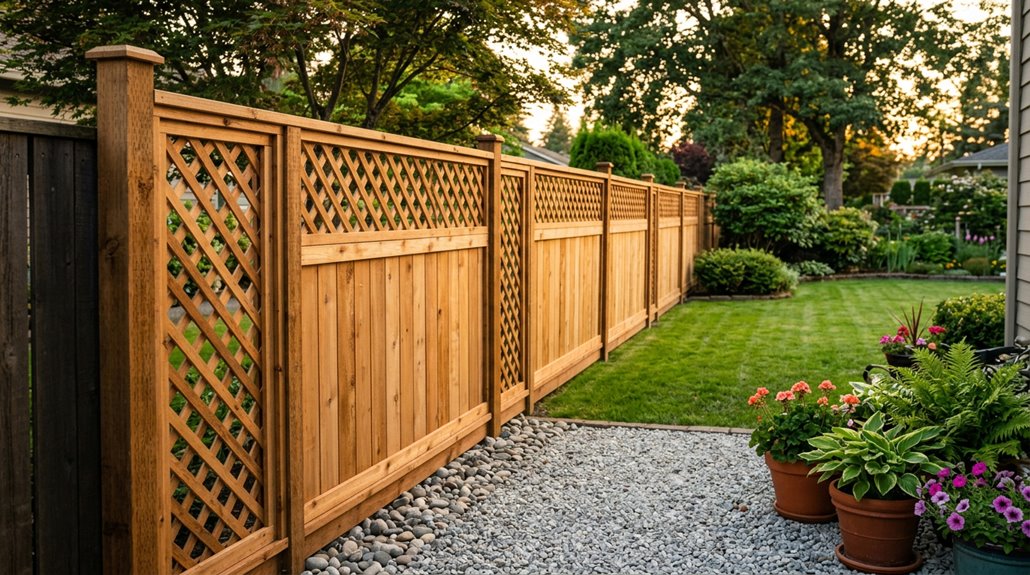
A good neighbor fence looks equally polished from both yards, with no exposed rails sneaking a peek at your neighbor’s side like some awkward structural skeleton. You’re basically investing in shared beauty instead of playing “good side, bad side.”
Shadowbox cedar with alternating pickets or modern vinyl designs eliminate the question of who got cheated aesthetically.
A well-designed fence strengthens your relationship, while a poorly designed one breeds resentment for years. The best styles depend on your specific situation.
What Is a Good Neighbor Fence: The Three-Part Definition
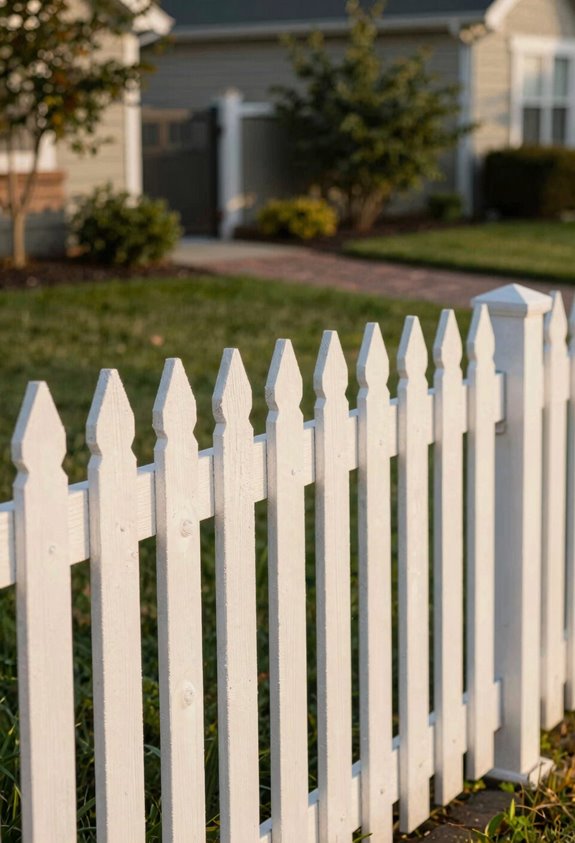
Ever notice how some fences look pristine from both sides while others have that awkward “we spent money on this.” feeling when you peek around back.
A Good Neighbor Fence addresses this difference. First, it’s intentionally designed so both neighbors see an equally finished side. No “bad” side faces your neighbor’s yard. Second, it uses smart construction, such as shadowbox boards or frame-infill systems that hide the rails and posts completely. Third, it strengthens your relationship because you’re both investing in something that looks great from every angle.
It’s an investment in your shared space that benefits both properties.

Upgrade iCover Privacy Screen For Fence: Our privacy screen is made of heavy-duty knitted net, measuring 4 ft high by 50 ft long. It is suitable for fences with a height of 4 ft or slightly higher. Please accurately measure your fence before purchase

Premium Quality: The UPGRADE privacy screen for fences is made from 170 GSM non-recycled High-Density Polyethylene (HDPE). This ensures lasting durability, reliable privacy protection, and excellent weather resistance. A high-density composition makes it a dependable solution for outdoor privacy needs.

STYLISH NATURAL WOOD: This FSC certified wood screen is made with real wood meaning no two boards have the same grain color, finish, or wood knots differing it from vinyl outdoor privacy fence screen panels.
Symmetrical Design: Beauty on Both Sides
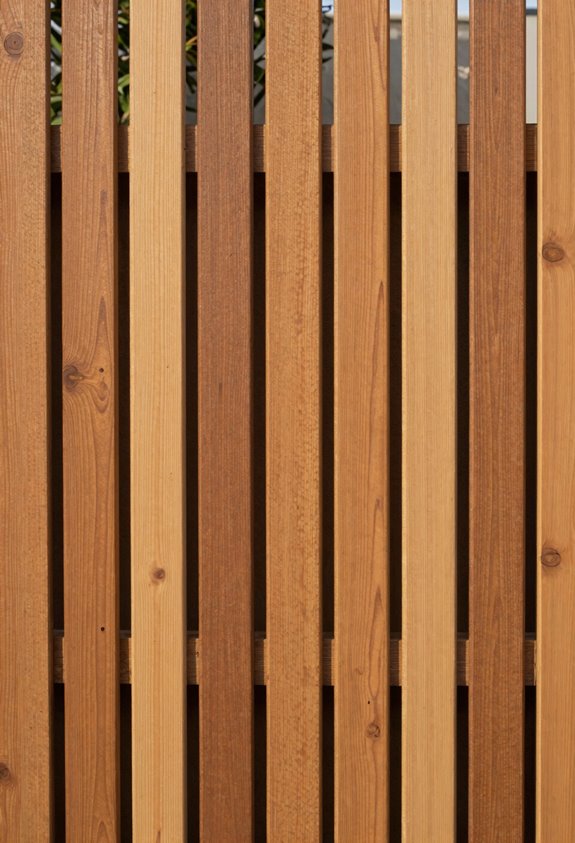
When you’re standing in your backyard staring at that fence line, you’ll realize that a truly good neighbor fence isn’t just about hiding the ugly stuff from view. It’s about eliminating the ugly stuff altogether. That’s where symmetrical design comes in. Matching aesthetics on both sides builds real neighborly goodwill. Shadowbox cedar fences work beautifully for this because they look identical from either property. You’re not arguing about who gets “the good side” anymore. Alternating pickets, hidden rails, and materials like vinyl or aluminum create that balanced appearance that makes both neighbors feel respected. When your fence looks finished and polished from every angle, disputes practically disappear. Both neighbors benefit from a cohesive design that eliminates the source of friction.

Quality Material: crafted from PVC, this vinyl fence rail boasts robustness without compromising on flexibility; The use of vinyl ensures resistance to common wear and tear, translating to long-lasting performance

Sufficient Quantity: our product package includes 4 x Vinyl pocket rails; These are precision-crafted and come in an aesthetic white color adding value and elegance to your property; Trust our quality and design to provide your property with an attractive, durable and secure construction

Plastic Vinyl Privacy Fence Pocket Rails
Why Traditional Fences Show a ‘Good’ and ‘Bad’ Side
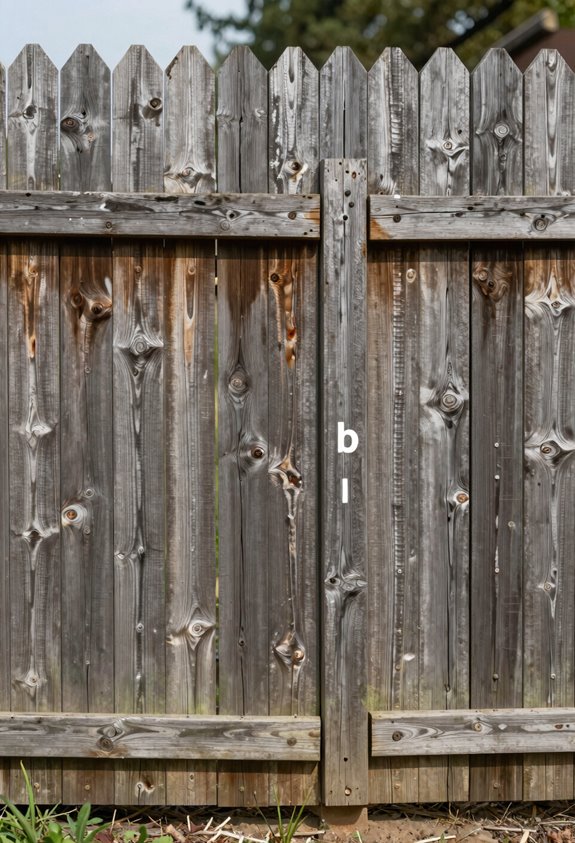
When you build a standard wood fence, you’re creating two completely different looks depending on which side you’re standing on. The finished side faces your yard with neat vertical pickets running smoothly across, while the neighbor’s side shows all the structural elements: the horizontal rails, the chunky posts, and an unfinished appearance. This “good side, bad side” setup originates from traditional fence-building conventions where homeowners prioritized their own view over creating something that looks equally nice from both directions. This practice naturally creates tension when your neighbor faces what amounts to the backside of your fence project.

Order is for a 4-Pack of fencing, giving a total of 32 feet of fencing in length
Order is for a 6-Pack of fencing, giving a total of 48 feet of fencing in length

Package contains 4 CritterGuard fence panels
The Finished Side Concept
Most traditional wood privacy fences have a dirty little secret: one side looks great while the other side doesn’t. Builders typically arrange boards to create a polished finished side facing your property. Meanwhile, your neighbor stares at exposed rails and posts. It’s like getting the nice restaurant view while they’re stuck looking at the kitchen door.
This asymmetry breeds tension. Nobody wants the “bad side,” right. That’s where the finished side concept comes in. A truly good neighbor fence flips this frustration on its head by designing equal aesthetics from both directions. Instead of that awkward exposed framework, both properties see the same smooth, attractive finish. It’s fair. It’s respectful. It reflects what neighborly actually means: no hidden hierarchy, just mutual respect built right into the fence itself.
Asymmetrical Design Origins
Why do traditional wood fences look like they’ve got a front-facing celebrity side and a neglected back-alley side? The answer is simple: the way we build them creates that asymmetry. Pickets attach to rails, and those rails are hidden on your side but exposed on your neighbor’s. This asymmetry affects homeowners more than many realize.
| Your Side | Neighbor’s Side |
|---|---|
| Hidden rails and posts | Visible rails and posts |
| Polished picket faces | Raw structural skeleton |
| “Good side” appearance | “Bad side” appearance |
Nobody wants the rough view. This good side versus bad side dynamic creates tension, especially when HOAs or tight property lines get involved. Understanding this design flaw explains why “good neighbor fences” exist at all.
Aesthetic Hierarchy and Etiquette
we’ve basically been building them backwards for generations. Traditional privacy fences show your neighbors the rough posts and rails while you enjoy the polished boards. It’s like wearing your best outfit to the grocery store and your pajamas to the office, backwards.
This “good side, bad side” setup creates what I call aesthetic hierarchy. Your side looks finished. Theirs doesn’t. This imbalance breeds resentment. Good neighbor design flips that script entirely. Symmetrical fences like Shadowbox designs show finished surfaces from both directions, eliminating that awkward power dynamic. You’re essentially saying, “We’re equals here.” This approach reduces neighborhood disputes and builds community cohesion through equal treatment.
How Modern Frames Eliminate the Asymmetry Problem
One side looks polished, the other looks like you’ve got something to hide. Neighbors frequently notice exposed rails and rough post faces that create an unfinished appearance.
FenceTrac uses U-shaped steel channels that frame infill boards on all four sides, creating two-sided symmetry. Your infill boards slide into inward-facing channels, so both properties see identical flat surfaces and narrow channel edges. The design eliminates visual inconsistency.
This approach ensures fairness. You’re not upgrading to look good to your neighbor; both sides of the fence maintain a balanced appearance. Whether you choose composite, PVC, or cedar infill, FenceTrac delivers consistent aesthetics on both sides.
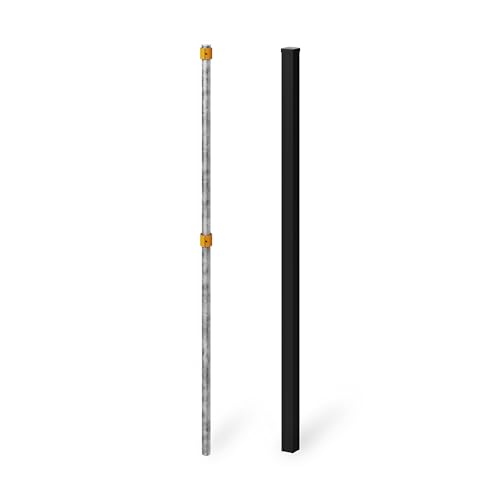
NO-DIG INSTALLATION: Installs easily using a pipe anchor and post pounder — no concrete or heavy digging required, making it faster and more DIY-friendly than traditional fencing installs
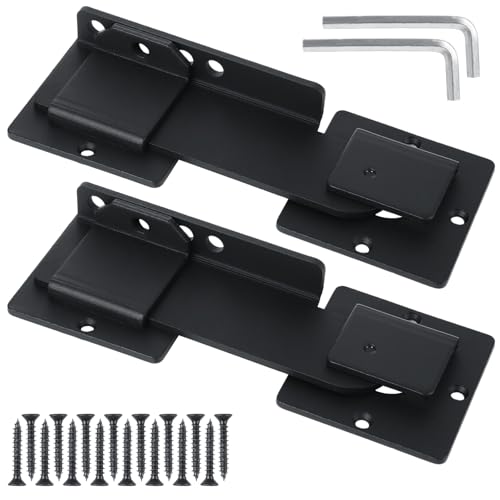
High-Quality Materials: This heavy duty gate latch is crafted from premium aluminum. Its surface is smooth to the touch with no visible weld marks. With a thickness of 0.16 inches (4 mm) and a weight of 17 oz, this heavy duty door latch is built to be sturdy and durable

DESIGN: Elegant scroll-pattern cast aluminum fence decorations that add a sophisticated touch to outdoor fencing with their classic curled design
Good Neighbor Fence Styles: Three Popular Options for Chicagoland
When you’re standing at the fence line in your Chicagoland yard, you’ve got three solid choices that’ll keep both you and your neighbor happy: shadowbox cedar construction, where boards alternate on each side so it looks great from anywhere you’re standing; vinyl fences that give you that clean, low-maintenance symmetry; and horizontal options that’ve become super popular lately because they’re sleek and modern. These styles transform neighborhoods from arguments about whose side looks better into situations where the fence looks appealing from every vantage point. Each option has distinct advantages worth considering for your specific needs.

DIMENSIONS: This fence panel measures 42" H x 72" W INSTALLATION: Install without digging holes, pouring concrete, or tearing up your yard; use a sledge hammer or post...
Shadowbox Cedar Construction
How’d you like a fence that looks great from both sides without cheap back-facing boards showing to your neighbor.
That’s the shadowbox cedar magic. This design alternates boards on opposite sides of horizontal rails to create identical panels from either property. You’re not hiding anything. Your neighbor sees quality craftsmanship, not a patchwork of leftover materials.
Shadowbox costs more than solid privacy fences due to extra boards and labor. You’re investing in a genuinely neighbor-friendly appearance that works across Chicagoland’s diverse homes and HOA expectations.
The trade-off is semi-privacy instead of total blockage. Those angled sightlines let airflow through while still defining your boundary. This creates peaceful coexistence in wood form.
Cedar does require regular sealing or staining to fight Illinois weather. The maintenance effort protects your investment and maintains the appearance your neighbor sees as well as your own.
Vinyl and Horizontal Options
Vinyl good neighbor fences deliver exactly that. A two-sided finish makes both yards feel intentional, ensuring neither homeowner feels shortchanged. Horizontal options in Chicagoland are particularly striking with clean lines that suit contemporary homes beautifully.
| Feature | Benefit |
|---|---|
| LuxeCore vinyl | Wood aesthetics, zero maintenance |
| Two-sided appearance | Symmetrical, finished look |
| Horizontal slats | Modern, sleek appeal |
| Low upkeep | More time enjoying your yard |
You’ll skip the constant staining, painting, and repairs. Aluminum slat boards with controlled spacing offer semi-privacy while maintaining a polished, neighborly appearance. Your fence becomes an asset everyone appreciates.
Privacy Fences With Decorative Tops
Want your fence to whisper “stay out” while looking genuinely good doing it? Privacy fences with decorative tops are your answer. They’re basically standard privacy fences with the finished side facing out and posts and rails hidden inside, but with one major upgrade: a stylish crown on top.
You’ll typically see cedar or redwood boards placed tight together, creating serious visual screening with minimal gaps. The decorative magic happens up there; lattice caps, scrolls, or beveled edges transform plain wood into something neighbors actually admire rather than resent.
Those fancy tops cost more than basic designs. If you’re in the Chicago area, your HOA might have rules about height and top design. Always verify locally before committing.

High Quality Material and Construction: Shade&Beyond privacy screen is crafted from 170 gsm UV protected NON-RECYCLED HDPE fabric; featuring durable brass grommets on each side for secure installation

Details: Artificial ivy wall is 120 inches long and 40 inches wide, with green faux ivy leaves. Made up of 12 small panels (connected).Can cover 33.33 square feet. the faux Ivy Vine are textured and look real. You can reassemble or cut to get the size you want. 50 cable ties are included to assist in installation.

【Perfect Fence to Protect Privacy】With this privacy screen fence, you could have fun with your families not worrying about losing privacy. Also, helping you cut off some noise from your neighbours to give you a peaceful environment. Your dog will not bark from outdoor things and people too.
Shadowbox Cedar Fences for Semi-Privacy
If you’re looking for a fence that doesn’t make you feel like you’re living in a fortress, or make your neighbor feel that way, shadowbox cedar is an excellent choice. The alternating pickets create a balanced appearance that looks good from either side.
The airflow advantage is significant. Gaps between boards allow wind to pass through instead of hitting a solid wall, which reduces force during storms. This design improves durability and prevents weather-related damage.
You’ll get the classic wood aesthetic that fits into Chicagoland neighborhoods while maintaining good neighbor relations. There’s no concern about whose side of the fence looks better.
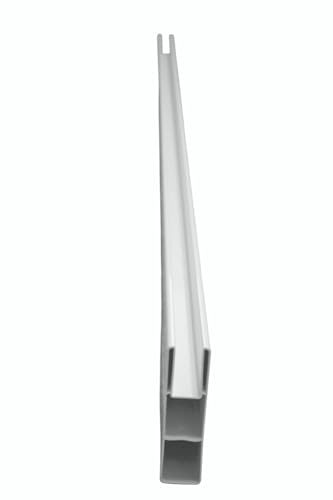
Plastic Vinyl Privacy Fence Pocket Rails

EASY ORDERING: Everything you need for your fence project is in the box except for the final post. Only ONE additional post, BL19112, is required for the end of your project. A gate is available by searching BL19111.

MULTIPURPOSE GARDEN FENCE: This is the perfect garden fence border to enhance the beauty of your landscape. It's a great animal barrier to keep unwanted guests from your lawn, garden beds, and flowers. It’s also a great decorative garden or edging fence.
Alternating Picket Construction
How do you build a fence that looks equally good from your neighbor’s yard as it does from yours? Shadowbox construction offers a clever alternating picket design that solves the problem of asymmetrical appearance.
Instead of mounting all pickets on one side, you alternate them. One picket faces your yard, the next faces theirs. Result: both sides look identical. This eliminates awkward conversations about “good side versus bad side” fence aesthetics.
| Feature | Your Side | Neighbor’s Side |
|---|---|---|
| Picket Visibility | Full | Full |
| Appearance | Identical | Identical |
| Privacy Level | Semi | Semi |
This pattern is both neighborly and practical. The gaps between alternating pickets let wind pass through rather than pushing against solid wood. During Illinois storms, that airflow reduces stress on your posts substantially. A fence that can withstand higher wind loads will last longer and require fewer repairs over time.
Design Symmetry and Aesthetics
Why do some fences spark neighborhood feuds while others become the envy of the block? The answer lies in symmetry. A shadowbox cedar fence looks identical from both sides, which means neither neighbor sees the “back” of your fence. You avoid that awkward feeling when one side looks polished and the other resembles the wooden equivalent of wearing pajamas to a party.
The alternating-board design creates visual equality. Both properties see the same attractive pattern, same spacing, same everything. No arguments over whose side is whose. This simple design choice transforms neighborhoods from tense to harmonious. It’s fence diplomacy, one board at a time.
Wind Resistance and Durability
Ever notice how solid privacy fences act like sails in a windstorm? Shadowbox cedar fences perform better in these conditions because they’re engineered more intelligently than bulky solid fences.
Alternating boards on opposite sides let wind slip through instead of slamming against one massive panel. It’s like comparing a brick wall to a screen door; one gets knocked around, the other breathes. The exposed cedar on both sides distributes pressure evenly across your posts and rails, which means less stress during Illinois storms.
Cedar’s naturally durable. When properly anchored with sturdy posts, it handles severe weather effectively. You’re getting durability and wind resistance working together, creating a fence that lasts for years.
Horizontal Board Fences for Contemporary Homes
If you’ve walked through any trendy Chicago neighborhood lately, you’ve probably noticed those sleek fences with boards running side-to-side instead of up-and-down. There’s a clear reason they’re everywhere.
Horizontal board fences create clean lines that look equally impressive from both yards. The boards run across sturdy fence posts in an evenly spaced pattern that conveys contemporary sophistication. What makes them effective as neighbor fences is that two-sided appearance; nobody gets stuck with the “ugly” side. Your neighbor sees the same polished look you do.
They pair beautifully with modern homes and minimalist architecture. You’re not locked into wood either. Vinyl and aluminum options provide durability without constant maintenance, offering the practical benefits of low-upkeep materials combined with aesthetic appeal.

Package contains 2 CritterGuard fence panels

【Define Utility Areas with Elegance】 Instead of leaving equipment exposed, create a dedicated utility zone that looks intentional and attractive. The cedar screen defines the space without enclosing it completely.
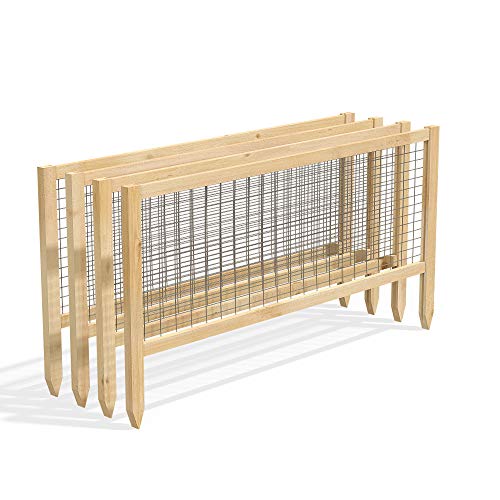
Each panel measures 45 in. long by 23.5 in. tall
Good Neighbor Cost Breakdown: Material and Labor by Style
When you’re ready to build a Good Neighbor fence, material costs vary significantly based on your choice of materials. Budget-friendly cedar runs $15–$25 per linear foot, while premium composites like LuxeCore cost $30–$45 per linear foot. Labor expenses typically run $10–$20 per linear foot, meaning a standard 6-foot privacy fence on a shared boundary could cost anywhere from $150 to $390 per 8-foot section.
Symmetrical Good Neighbor styles tend to cost more upfront because they require extra precision from your installer. Both sides needing to look identical demands better craftsmanship, usually results in more material waste, and requires careful planning. Contractors factor these additional costs directly into their pricing.

DESIGN: Elegant scroll-pattern cast aluminum fence decorations that add a sophisticated touch to outdoor fencing with their classic curled design

Precise Fit: The actual inner dimension of these post caps is 6.12"×6.12", perfectly fitting 5.9"×5.9" to 6"×6" wooden posts. Ideal for protecting the tops of deck railings, wooden fences, handrails, porch railings, and more. Please measure your posts before use - sanding may be required if the wood is slightly oversized.
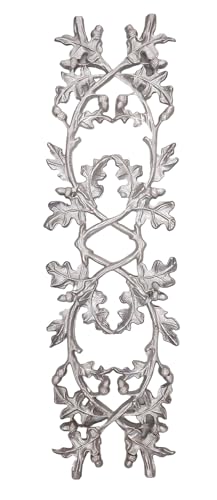
Decorative Accents: Cast aluminum ornamental pieces designed for outdoor use on fences, railings, and doors.
Material Costs and Pricing
How much should you actually budget for a good neighbor fence? You’re looking at more cash upfront than a standard privacy fence, but shared-fence economics make it worthwhile. Here’s what you’re paying for:
| Material Type | Price Range | Why It Costs More |
|---|---|---|
| Cedar | $25-40/ft | Natural durability |
| Vinyl | $30-50/ft | Low maintenance |
| Horizontal Board | $28-45/ft | Design flexibility |
The real expense comes from those boards on both sides. You’re essentially building two fences instead of one. When you split that 150-foot fence costing $5,000 total, you’re each paying $2,500. This approach means higher-quality materials become accessible without breaking the bank individually.
Labor Expenses and Installation
So what’s the actual bill when someone shows up with a truck and tools to build your good neighbor fence? Labor costs and installation expenses depend on your material choice. Cedar runs about $25-40 per linear foot installed, your most affordable option for budget-conscious neighbors. Vinyl climbs higher at $30-50 per foot, mainly because it requires precision and patience. Want something fancier? Horizontal board designs land around $28-45 installed.
Symmetrical designs don’t significantly increase costs. They add minimal extra labor since the core expense stays materials and basic installation. Whether you’re going traditional or trendy, you’re paying primarily for wood or vinyl, not for making both sides look pretty. That represents standard construction practice.
Talk to Your Neighbor First: Timing and What to Say
Why does a simple fence project feel like you’re planning a diplomatic summit? Because it involves coordination with another property owner. Before driving the first post into the ground, chat with your neighbor. Keep it friendly, without ambushes or surprise fence reveals.
Tell them your vision: height (typically 4-6 feet), style (privacy or two-sided), and materials. Then listen. Their concerns matter. Maybe they value the view you’re blocking, or they want matching aesthetics.
Document everything. Jot down what you discussed, what you agreed on, and when work starts. A simple text saying “Hey, we’re building next Saturday” prevents future disputes.
This neighbor communication transforms a potential conflict into a fence both of you can appreciate. It ensures the project moves forward without tension between properties.
Handling Disagreements: Compromise Strategies That Work
Even with the best intentions and friendliest chats, you and your neighbor might still lock horns over fence details, and that’s totally normal. Compromise saves the day. Start by exploring fence options together. Maybe you love privacy, but they’re worried about wind. A shadowbox design offers your middle ground; it looks finished from both sides while still allowing airflow. Check HOA restrictions first, though. Some communities have specific aesthetic rules you’ve both got to follow anyway, which removes pressure from the negotiation. If you’re stuck, suggest splitting costs for a design you both can live with. Sometimes the best fence isn’t the one you imagined. It’s the one that keeps your friendship intact.
Good Neighbor Communication: Managing Expectations Before Construction
Before you swing that first sledgehammer or call the fence contractor, have an honest conversation with your neighbor. Neighbor communication about property lines prevents costly disputes later.
| Topic | Your Role | Their Input | Outcome |
|---|---|---|---|
| Design | Share ideas | Feedback | Shared vision |
| Materials | Propose options | Preferences | Agreement |
| Timeline | Set schedule | Availability | Smooth work |
| Cost | Discuss splits | Budget limits | Fair terms |
Schedule a casual chat over coffee. Walk your property line together with a survey if needed. Discuss everything: height, color, materials, and timeline. Listen more than you talk. When neighbors feel heard, they become stakeholders in your project’s success rather than obstacles to it.
Illinois HOA Rules and Local Compliance
How’s your HOA rulebook looking, is it gathering dust or practically dog-eared from use?
Illinois HOAs take fence rules seriously. Before you even think about construction, you’ll need HOA compliance locked down. Here’s what I’d check:
- Finished appearance requirements – Both sides of your fence need to look polished. No exposed posts or bracing allowed in most communities.
- Design mandates – Many Illinois HOAs require symmetrical looks like Shadowbox or FenceTrac styles for architectural harmony.
- Local code specifics – Height limits, materials, and setback distances vary by municipality and affect your fence installation.
Getting approval upfront prevents costly delays and disputes. Your neighbors and your HOA will expect compliance with these standards.
Build the Fence, Not the Resentment
You can follow all the HOA rules perfectly and still end up with a neighbor who’s furious about your fence. A good neighbor fence isn’t just about code compliance. It’s about respect. When you talk to your neighbor before breaking ground, you’re saying, “Hey, I value you.” Discuss a shared cost arrangement if possible. Splitting expenses builds genuine partnership, not resentment. Choose symmetrical designs like Shadowbox or FenceTrac-style infill that look polished from both sides. Nobody likes feeling stuck with the “bad side.” Install thoughtfully, respect their space during construction, and you’ll build more than wood and rails. You’ll build community.