
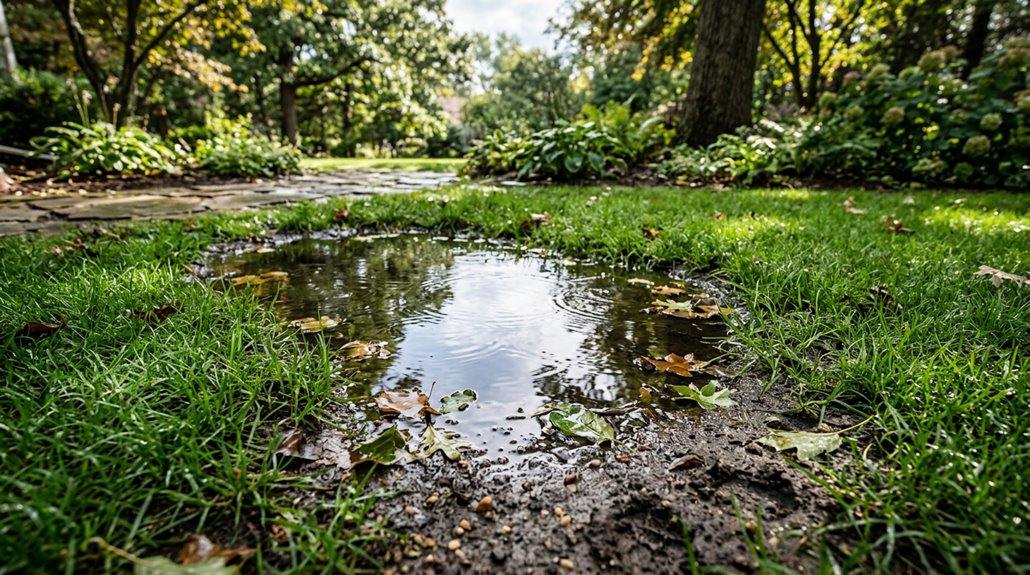
I’ve found that standing water usually stems from three culprits: clogged gutters dumping water near your foundation, compacted soil that won’t absorb anything, or your yard sloping the wrong direction.
Start by cleaning those gutters and extending downspouts at least six feet away.
Then loosen your soil with aeration and add a few inches of compost, which improves water absorption in your lawn.
For stubborn wet spots, French drains or rain gardens provide effective solutions.
Timing and measurements vary depending on your specific yard conditions and the severity of water pooling.
Identify Standing Water in Your Yard
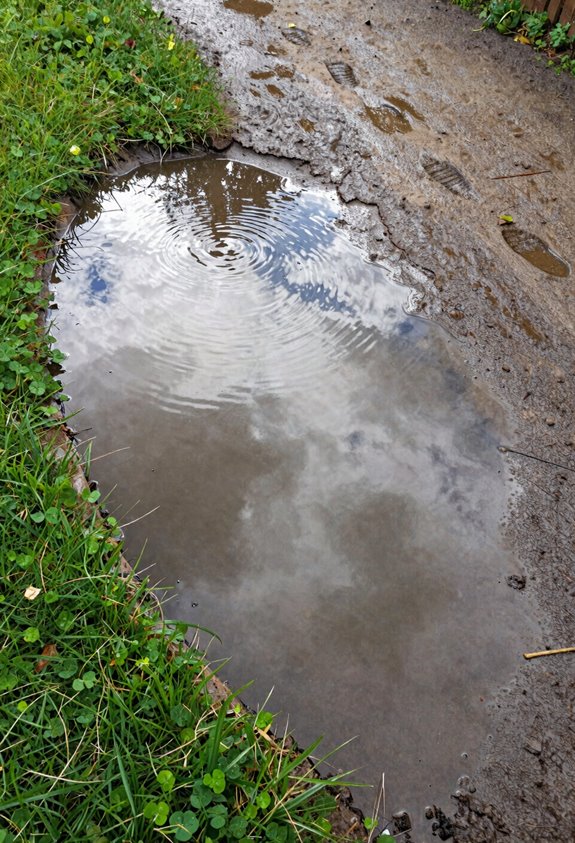
Why is your yard turning into a swamp every time it rains? Standing water usually signals one of a few culprits lurking beneath the surface.
First, check your grading. Walk your property after rainfall to spot those annoying low spots where water pools. If water’s collecting near your house instead of flowing away, you’ve got a drainage problem. Next, dig down about 6 inches and grab some soil. Does it feel heavy and clay-like? Poor soil permeability is preventing water from soaking in properly.
Also consider your water table. If your yard stays perpetually soggy even during dry spells, you might have a high water table situation. Understanding what’s causing your standing water is your first step toward fixing it.

KEEPS FOUNDATIONS DRY:Gutter Downspout extension can easily be extended from 21 Inch to 68Inch to divert unwanted stormwater away from your home's foundation when connected to a dowspout.
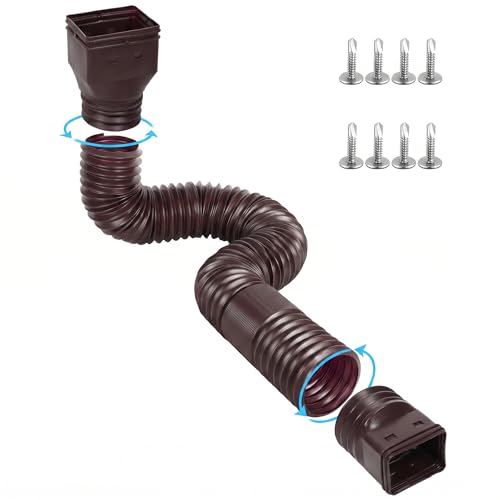
STURDY: This gutter downspout extension is made of thick material to make sure it is sturdier than others. It can withstand up to 10 pounds without deformation. The bad weather (such as storm, snow) will not affect or damage it. It can be buried underground

NOTE: Its size is NOT 4 inches. Pipe Size: Inside Diameter: 2.6 inches; Outside Diameter: 3.1 inches. Before choose this kind of pipe. Please pay attention for this.
Fix Roof and Gutter Drainage First
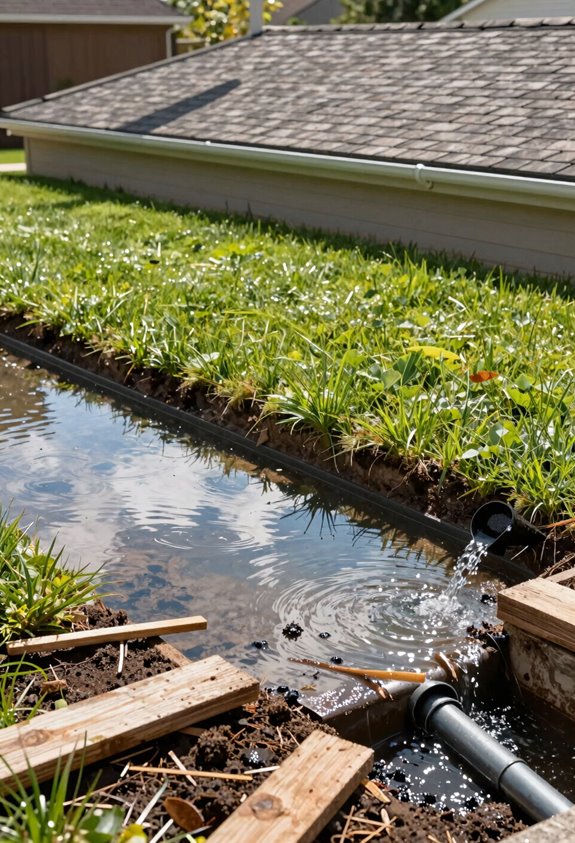
Now that you’ve spotted where the water’s pooling in your yard, let’s talk about what’s probably sending all that water down there in the first place: your roof. Your gutter drainage system is basically your home’s first defense against soggy foundations. When gutters get clogged with leaves and debris, water overflows like a bathtub that’s been ignored too long. That overflow heads straight toward your foundation, causing standing water prevention to become nearly impossible.
To fix this: clean those gutters regularly, check for rotted fascia boards, and ensure downspout extensions reach at least 4-6 feet away from your house. Assess your roof water flow by watching where water travels during rain. This simple roof and gutter maintenance prevents foundation drainage issues from becoming expensive problems.

Regrade Your Yard to Slope Away From the House
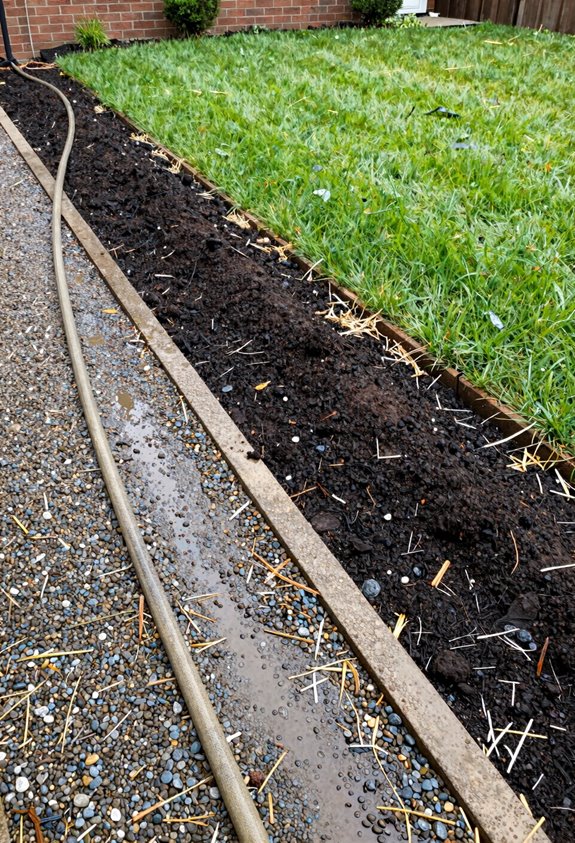
Once you’ve gotten your gutters under control, it’s time to tackle the actual ground beneath your feet. Even perfect gutters can’t help if your yard functions like a bowl holding water. Your yard needs to slope away from your house, with a 6-inch drop within the first 10 feet of your foundation. Gravity does the heavy lifting. Proper grading channels water toward approved outlets like storm drains or French drains instead of pooling near your house.
Hiring a professional landscaper is recommended for this work. They’ll shape terrain correctly, prevent water from getting trapped in walkways, and ensure your soil’s compacted properly so drainage actually works.
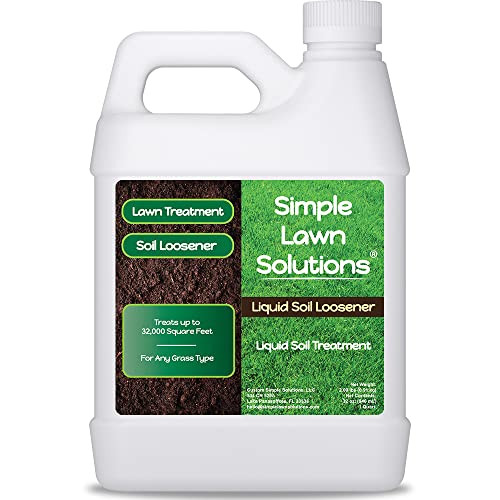
Liquid Soil Loosener: Can be used Alone or with Mechanical or Core Aeration, Aerating and Aerate Tools. Liquid Soil Loosener Conditions Compact Soil. Helps the Downward Movement of Water Allowing Vertical Drainage and Increased Water Infiltration.
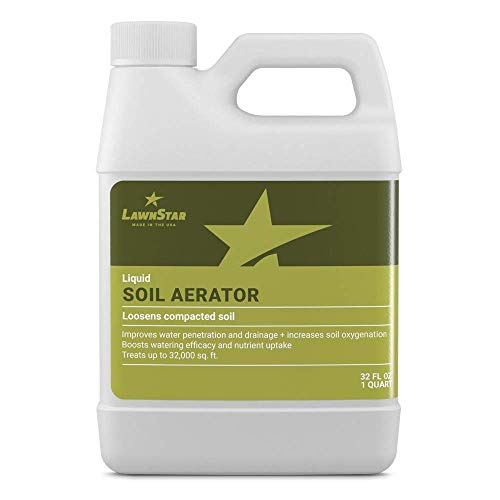
EASY-TO-USE ALTERNATIVE: Tired of mechanical aeration? So were we. Our liquid soil loosener takes all of the stress for you and provides a cost efficient alternative to core and mechanical aeration.

【EFFECTIVE MANUAL LAWN AERATOR TOOL】: Walensee spike lawn aerator helps loosen soil and create small channels so air, water, and nutrients can reach grass roots more easily. It is a practical lawn care tool for preparing small lawn areas before seeding, watering, or fertilizing, helping your yard, garden, or patio lawn stay greener and better maintained.
Loosen Compacted Soil With Aeration and Dethatching
Even with perfect grading and gutters, your yard still won’t drain well if the soil itself is packed tighter than a gym locker room.
Water infiltration depends on loose, breathable soil. That’s where dethatching and core aeration come in. Dethatching removes that dense layer of dead material blocking water movement, while core aeration punches small holes through compacted soil, creating air pockets that let water flow freely.
| Method | Cost |
|---|---|
| Thatch rake | ~$30 |
| Electric dethatcher | $100+ |
| Professional aeration | $144–$636 |
| DIY aeration | Rental fees vary |
| Soil amendment | $20–$50 |
Combine both treatments for best results. Afterward, amend with compost or aged manure. Organic matter transforms clay-heavy soil into a sponge that absorbs water rather than rejecting it.
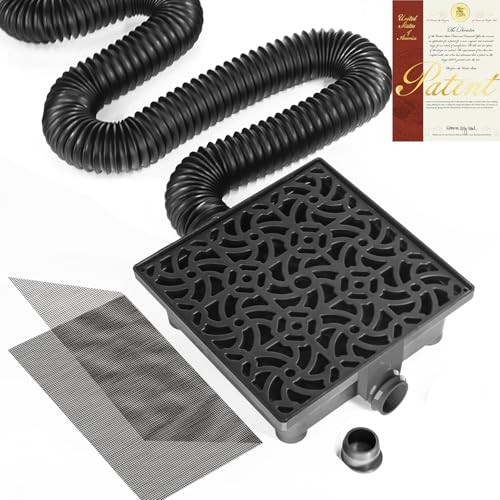
🏆【US Patented Design】 Patent No. D1018796.
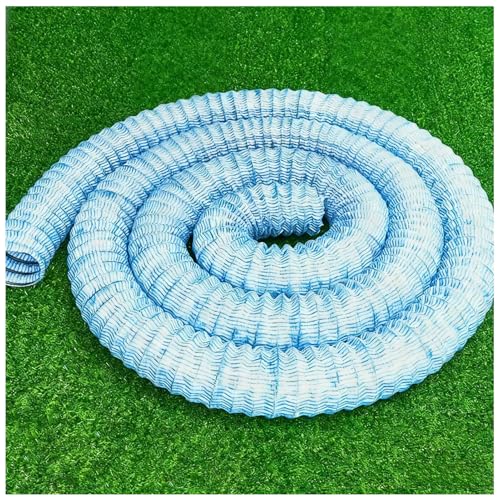
[SOFT INFILTRATION DRAINAGE SOLUTION] - Flexible drainage pipe integrates water absorption, water permeability and drainage. Allowing rainwater to soak away into the surrounding soil and store it. In the season of low rainfall, it can store rainwater in the soil. In the season of heavy rainfall, it can discharge excess rainwater to where it is needed
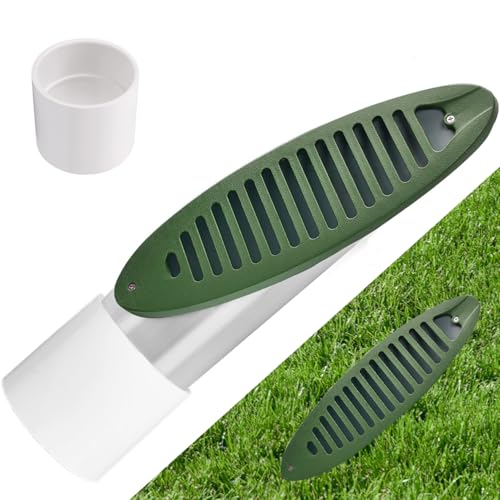
【 Easy to install 】 The Yard Drain Emitter is combined with a 4-inch connector, eliminating the hassle of finding an adapter. This combination is suitable for 4-inch drainage pipes and provides a perfect connection. Please check if your drainage pipe has an inner diameter of 4 inches/outer diameter of 4.5 inches
Amend Soil With Compost and Topsoil for Better Drainage
What’s the secret ingredient that transforms stubborn clay soil into a water-loving sponge? Compost and topsoil. This approach has proven effective for drainage problems.
Here’s what to do to tackle standing water:
- Mix compost or leaf mold with aged manure for structure improvement
- Spread 2-4 inches of topsoil ($10-$50 per cubic yard) over problem areas
- Layer organic matter to create air pockets that let water move freely
- Break up hardpan so water percolates down instead of pooling on top
Clay soils especially need this treatment. Without amending, they’re basically concrete. Add these amendments after aeration, and you’ll notice water soaking in faster. Your backyard transforms from swampy to solid ground. Your soggy lawn will respond immediately to these changes.

🌱Description:You will get 10 pack clear self-watering bulbs,5 small size and 5 large size.Large:10.4×3.2 inch/26.5×8cm;Small:5.1×2 inch/13.5×5cm.The garden watering globes are made of high-quality PVC materials.Therefore,you can use it for a long time.

Adjustable Valve: The flow rate can be controlled. The plant watering Device with control valve can control the dripping speed of 0-60 s/drip, and the sustained drip lasts for 1-15 days. Only adjust the valve to Meet your needs
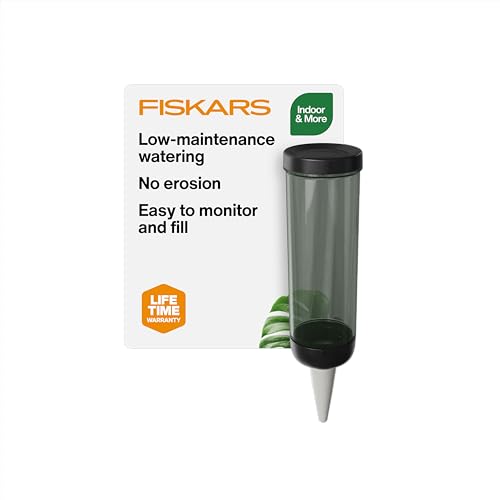
WORRY-FREE VACATION CARE: Automatically hydrates indoor plants while you are away on travel or busy with work to ensure greenery stays lush & vibrant without daily watering
Install a French Drain for Persistent Wet Spots
If you’ve tried everything else and your yard still looks like a swamp, a French drain might be your solution. It’s basically an underground gutter system that removes water before it can settle in and ruin your lawn. This guide explains what these drains do, breaks down the real costs for both professional installation and DIY approaches, and helps you determine if this solution works for your specific wet spots.

NOTE: Its size is NOT 4 inches. Pipe Size: Inside Diameter: 2.6 inches; Outside Diameter: 3.1 inches. Before choose this kind of pipe. Please pay attention for this.

STURDY: This gutter downspout extension is made of thick material to make sure it is sturdier than others. It can withstand up to 10 pounds without deformation. The bad weather (such as storm, snow) will not affect or damage it. It can be buried underground

Item Weight: 2.275 lb
What French Drains Do
Here’s where French drains come in. A French drain is basically a gravel trench with a perforated pipe that catches water and whisks it away before it becomes your backyard’s personal swamp.
Here’s how it works:
- Water seeps into the surrounding gravel
- The perforated pipe collects that water from below
- Gravity does the heavy lifting, moving water through the pipe
- Water exits at a drainage point away from your house
Dig a trench 6–8 inches wide (12 inches is better), pack in 18–24 inches of washed gravel, then lay that pipe right on top. This gives your soggy yard an underground escape route. Cap the pipe properly and check local regulations first, as improper installation can flood neighboring properties.
Installation and Cost Breakdown
Now that you understand the mechanics of a French drain, let’s talk about actually getting one installed. Knowing how something works and actually digging a 50-foot trench are two very different tasks.
Here’s the cost breakdown: professional installation runs $1,650 to $12,250, depending on your yard’s characteristics. DIY installation costs roughly $700 if you’re willing to do the work yourself.
The installation process involves digging a 6–8 inch wide gravel-filled trench, laying down 18–24 inches of washed gravel beneath your perforated pipe, then backfilling with excavated soil. The drainage system needs proper slope directing water toward your outlet, whether that’s a storm sewer or dry well.
Hiring professionals saves physical labor and ensures proper drainage installation. If you’re handy and patient, DIY installation can be completed successfully with adequate planning.
When to Choose French Drains
When should you actually bite the bullet and install a French drain instead of just accepting your backyard as a swamp?
Consider a gravel-filled trench when you’re tired of soggy grass, mosquito breeding grounds, or foundation threats. Installation is worthwhile in these situations:
- Persistent wet spots that won’t dry out after rain
- Standing water pooling in the same spots repeatedly
- Foundation damage or basement moisture issues
- Lawn health declining from constant saturation
A French drain tackles these problems directly. You’ll need 18 to 24 inches of washed gravel under the perforated pipe, which channels water toward an outlet like a storm drain or dry well. This system provides an effective drainage path and prevents water from accumulating in your yard.
Build a Rain Garden to Absorb Runoff
I’ve found that a rain garden, basically a shallow planted bed that soaks up runoff like a sponge, can transform those annoying puddles into a thriving garden feature that actually works for you instead of against you. You’ll want to position yours in that low spot where water naturally collects, fill it with soil mixed generously with organic matter (think compost, not just plain dirt), and plant wet-tolerant species that’ll happily sit in moist conditions. The benefit is that you’re getting a decorative solution that costs $7.25 to $27 per square foot depending on your setup, handles drainage without the fussy maintenance of other systems, and gives you a habitat boost for pollinators and beneficial insects.
Rain Garden Design Basics
Why keep fighting those soggy patches in your yard when you could actually put them to work? A rain garden isn’t just some fancy landscaping trend. It’s your tool against standing water. Here’s what makes a solid design:
- Location matters: Place your rain garden at the low point where water naturally collects
- Infiltration zones: Dig 4-8 inches deep to maximize water absorption into soil
- Water-tolerant plants: Choose native grasses and perennials that thrive in wet conditions
- Drainage layers: Use a mix of soil and mulch to filter water effectively
Think of it as creating a mini wetland that actually wants the water your yard’s been rejecting. Your drainage problems become a beautiful garden feature. This approach solves both functional and aesthetic concerns.
Water Absorption Benefits
Ever notice how your yard stays swampy for days after a rainstorm while your neighbor’s drains perfectly? That’s where a rain garden works its magic. I’ve seen firsthand how these planted beds transform soggy spots into absorption powerhouses. A rain garden acts like your yard’s personal sponge, capturing runoff before it pools anywhere annoying. The secret is soil amendment with organic matter boosts infiltration rates dramatically. When you add compost or mulch to your rain garden’s base, water soaks down instead of sitting around like an unwelcome guest. Your plants love the moisture, your drainage improves, and you’ve got a beautiful garden doing the heavy lifting. This is the simplest solution for standing water problems.
Installation and Maintenance Tips
Ready to build this thing? I’ll walk you through it; it’s totally doable.
First, pick your spot. I always place mine at the lowest point where standing water loves to hang out. Then grade the area and dig a shallow trench about 4-6 inches deep. Here’s what makes the magic happen:
- Select native plants that thrive in wet soil. Daylilies and rushes are my go-to choices.
- Layer mulch and organic matter to boost drainage and infiltration rates.
- Size your rain garden to match expected runoff from your roof or driveway.
- Plan for maintenance by checking soil moisture monthly and removing debris.
Once it’s installed, maintenance is minimal. I spend maybe an hour quarterly weeding and refreshing mulch. Your rain garden will quietly absorb standing water for years, filtering pollutants while you relax.
Add a Dry Well or Sump Pump When Needed
If you’ve tried grading and drainage fixes but water still stubbornly pools in your yard, it’s time to consider more intensive solutions: dry wells and sump pumps.
Dry wells are underground storage tanks about 4 feet by 4 feet that work like underground sponges, slowly infiltrating water into surrounding soil. DIY installation runs $185 to $385, which beats professional costs. Sump pumps actively remove standing water away from problem zones.
| Solution | Best For | Your Wallet |
|---|---|---|
| Dry Well | Clay soils, gradual infiltration | Budget-friendly |
| Sump Pump | Flood-prone areas, active removal | Location-dependent |
| Combined Approach | Hard soils, persistent pooling | Smart investment |
Neither solution works in isolation. You’ll need proper drainage gradients and filtering materials to prevent clogs. In stubborn clay soils, combine dry wells with French drains to achieve effective water management.

【Preparation Before Aeration】:Before using the Saker lawn aerator, trim the lawn and check soil moisture. Soft soil allows easier penetration and helps the tool deliver optimal aeration results for healthier grass.

Efficient 16 Sharp Spikes Lawn Aerator: Grenebo Yard aerator features 16 sharp spikes in a stable 4×4 layout, creating more holes per step to save time and effort. The manual lawn aerator has 3.1-inch spikes that provide deep soil penetration, helping you achieve a lush, healthy lawn.

Deep Soil Conditioner: Covington Naturals’ liquid aerator for lawns is a powerful soil conditioner that loosens compacted soil, improves soil structure, and enhances nutrient uptake. Perfect for clay soil, gardening, and lawn care, this liquid soil aerator promotes stronger root growth and healthier grass.
Switch to Permeable Surfaces and Water-Absorbing Plants
Why do we keep laying down concrete and asphalt like we’re paving over the planet’s ability to breathe? Permeable surfaces and water-absorbing plants work with nature instead of against it.
Here’s what I’ve discovered about drainage improvement:
- Permeable pavers, gravel, and porous concrete let water seep through instead of pooling ($8.75–$30.50 per square foot)
- Plants like daylilies, hostas, and rushes absorb moisture while looking beautiful
- Stormwater management happens naturally through infiltration, reducing runoff near foundations
- Long-term ROI beats upfront costs when you factor in fewer mold, mildew, and pest problems
Your initial investment is steeper. Standing water disappears. Your yard becomes self-draining, low-maintenance, and resilient.

【 4in. Grate Yard Drain Efficient Drainage 】Drain grate downspout drainage emitter is expertly designed to efficiently channel rainwater, groundwater, and sump pump discharge away from your home’s foundation, effectively preventing standing water, soil erosion, waterlogging, and costly structural damage. Yard drainage provides reliable protection for your house, lawn, patio, and landscape, making it an essential solution for residential drainage systems
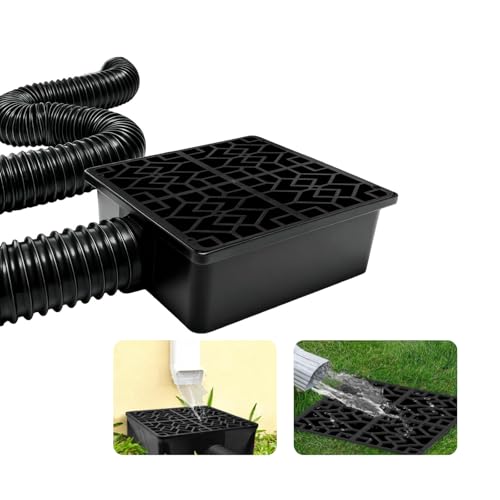
【Helps Redirect Everyday Rainwater Runoff】 This low-profile downspout extension kit helps guide rainwater away from the home and nearby landscaping. The flexible hose extends up to 6.5 ft (approx. 2 m), making it easier to direct everyday runoff toward a more suitable drainage area.
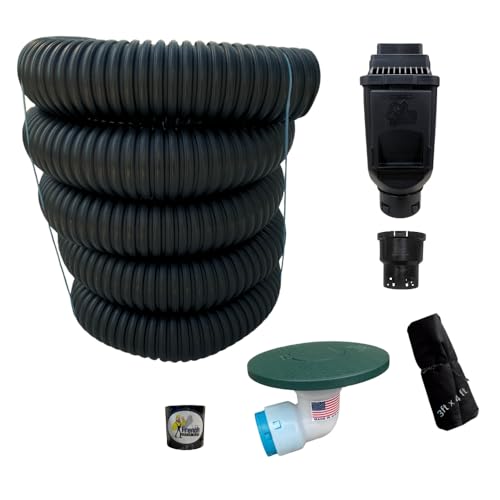
NO TOOLS NEEDED - Our goal at French Drain Man is to make your underground downspout project as easy as possible. That means you won’t need to dig out any tools. All you need is a shovel to dig your trench.