
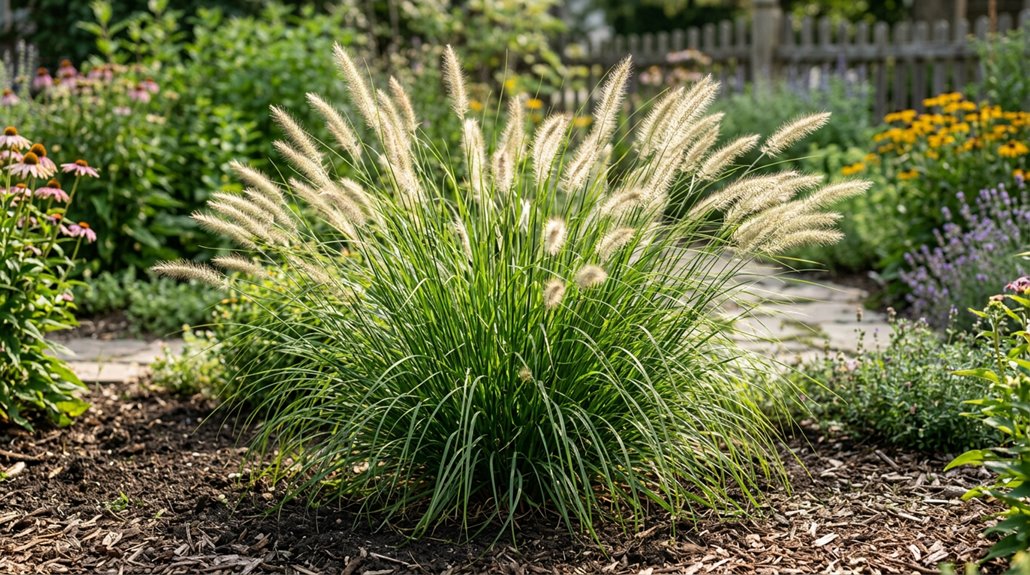
Growing fountain grass as a perennial requires matching your variety to your zone (perennials thrive in zones 5–9), planting in full sun with well-draining soil, and watering when the top two inches dry out.
Prune back to 4–6 inches each late winter, add spring compost mulch, and the plant will establish a strong perennial cycle.
In colder zones, dig up crowns before frost or move containers inside.
Follow these steps to maintain these architectural plants year after year.
Perennial vs. Annual Fountain Grass: Choosing the Right Type for Your Zone
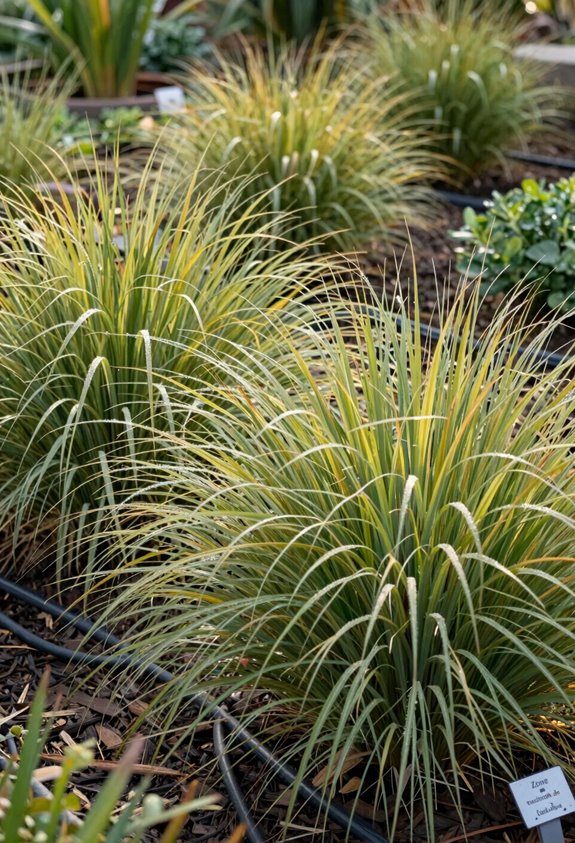
Have you ever planted a gorgeous fountain grass only to watch it turn into a sad, frozen stick come winter. Perennial fountain grass survives freezes in USDA Zones 5–9, while annual varieties don’t.
The difference matters significantly for your landscape. Perennials like ‘Prairie Winds’ come back year after year, enlarging their clumps. Annuals like Purple Fountain Grass ‘Rubrum’ don’t survive below zone 9. Dwarf varieties reach 1–2 feet, while larger perennials hit 6 feet.
When you plant perennials in spring or late summer, they establish before winter hits. Perennials require minimal fertilization beyond spring mulch with compost. Prune back to 4–6 inches in late winter.

When received, the plant will be in seasonal condition with appropriate foliage. If shipped between November 1st and March 1st, the plant may be dormant and trimmed. Plant is fully rooted in the pot ready for immediate planting

STRIKING SMOKY PURPLE-BLACK PLUMES: This Black Fountain Grass features fuzzy, smoky purple-black flower spikes that emerge in late summer, creating a stunning contrast with its deep green foliage. The plumes add a dramatic touch to your garden that lasts well into the fall.
STRIKING SMOKY PURPLE-BLACK PLUMES: This Black Fountain Grass features fuzzy, smoky purple-black flower spikes that emerge in late summer, creating a stunning contrast with its deep green foliage. The plumes add a dramatic touch to your garden that lasts well into the fall.
What Fountain Grass Needs: Sun, Soil, and Spacing Requirements
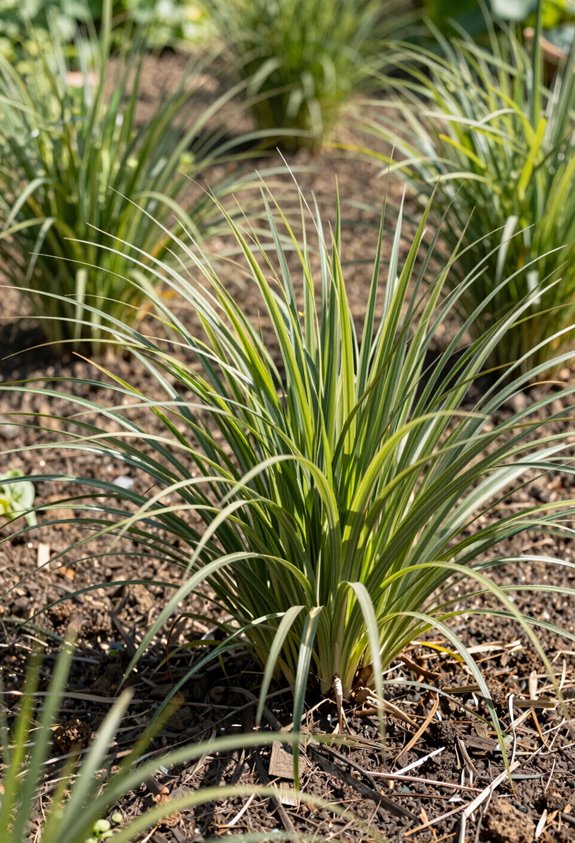
Why do some fountain grasses thrive while others look like they’ve given up on life? It all comes down to three essentials: sun, soil, and spacing.
Your fountain grass sun requirements are non-negotiable. These plants require at least 6 to 8 hours of direct sun daily. Insufficient light results in weak, drooping growth.
For well-draining soil, loosen your planting area and dig a hole twice as wide as the root ball. Keep that root ball level with the surrounding soil surface without burying it. Space plants 1 to 4 feet apart depending on variety to allow proper airflow that prevents disease.
In containers, use high-quality potting mix with drainage holes. Proper soil drainage is critical for healthy perennials and prevents the stunted appearance that occurs with poor drainage conditions.

Includes 1 live plant standing 4 to 8 inches tall

Includes 1 live plant standing 4 to 8 inches tall

Planting Fountain Grass: Step-by-Step Installation for In-Ground and Containers
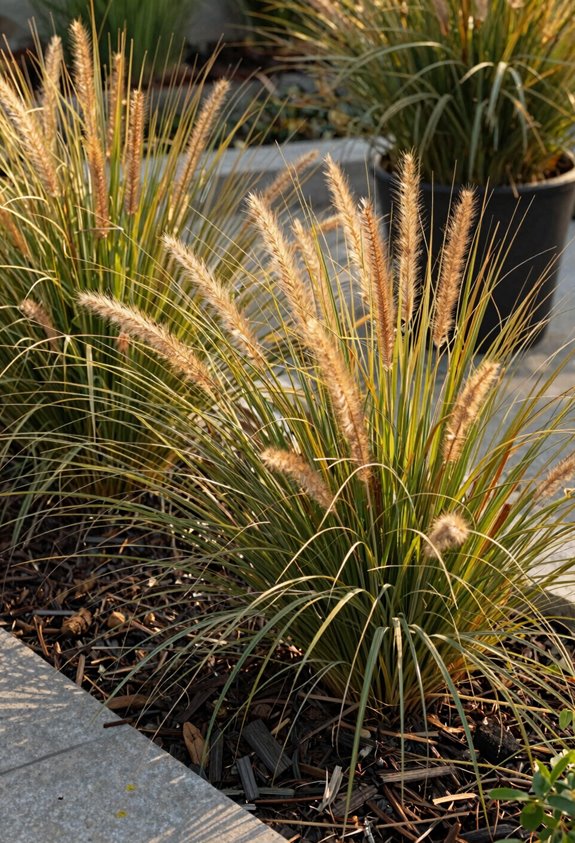
I’ve learned that getting fountain grass in the ground right means picking the perfect spot, preparing it with care and attention to detail, and then actually planting the thing so it doesn’t flop over next week. Whether you’re digging a hole in your garden bed or filling a container on your patio, the setup matters significantly. A poor foundation can compromise an otherwise sound planting, just as a weak structural base ruins a house. Let me walk you through exactly how to do both, because there is a correct method and an incorrect one that results in dying grass.

Fountain Grass grows well in well-draining soil and adapts to sandy, loamy, or rocky planting areas

Fountain Grass grows well in well-draining soil and adapts to sandy, loamy, or rocky planting areas

Includes 2 Fountain Grass plants, each 5-9" tall, starter size for outdoor planting
Site Selection And Preparation
Before you dig a single hole, you’ll want to scout out the perfect spot for your fountain grass, because a plant stuck in the wrong location cannot thrive.
Fountain grass craves 6 to 8 hours of direct sun daily. Without it, you’re fighting an uphill battle. Next, assess your soil’s drainage. Soggy ground will cause your grass to rot quickly. Loosen that soil before planting to improve drainage noticeably.
| Requirement | In-Ground | Container |
|---|---|---|
| Sun | 6-8 hours direct | 6-8 hours direct |
| Soil Type | Well-draining | All-purpose potting mix |
| Spacing | 1-4 feet apart | Single plant per pot |
| Drainage | Essential | Drainage holes required |
| Depth | Slightly deeper than root ball | Match root ball level |
Preparing your site properly prevents complications during and after installation.
Planting Procedure For Success
Getting your fountain grass in the ground or into a pot is a critical step that requires attention to detail. If you rush this part, you’ll regret it later. First, remove the grass from its nursery container and gently tease out roots if it’s potbound. For in-ground planting, dig a planting hole twice as wide and slightly deeper than the root ball. Loosen the surrounding soil to improve drainage, then set your grass so the root ball sits level with the soil. Space plants 1 to 4 feet apart depending on variety. Backfilling matters; pack soil firmly but not aggressively. For containers, use a high-quality potting mix with drainage holes. Water thoroughly after planting and keep watering regularly until established.
Container Setup And Drainage
Why do so many container-grown fountain grasses end up looking like sad, waterlogged mops? Poor drainage is the culprit. I’ve learned this through experience.
I choose a pot that’s at least 14 inches wide by 12 inches deep, bigger for two plants. Straight-sided containers work best; they’re stable and don’t waste water like tapered ones. I elevate my planter about an inch off the ground so water can escape underneath, preventing root rot.
For potting mix, I blend 50% quality potting mix with 25% coarse sand, 20% perlite, and 5% composted pine bark fines. This lean mixture drains beautifully. When planting, I set the crown at soil level, tease out any tangled roots, backfill gently, then water deeply. Proper drainage eliminates the conditions that lead to root rot and fungal disease.
Watering and Feeding Fountain Grass: Soil Care Essentials
How often should you water fountain grass? Let the top 2 inches of soil dry between waterings. During heat waves or dry spells, water more frequently. Your grass will show signs of thirst by looking droopy.
Container watering requires more attention. Pots dry out faster than ground soil, so check them more often. Use this potting mix for optimal drainage: 50% quality potting mix, 25% coarse sand, 20% perlite, and 5% composted pine bark fines.
For feeding, use a minimal approach. Skip heavy fertilizing and instead mulch around the base with compost each spring. This method supports nutrient availability without excess fertilizer, allowing fountain grass to thrive.

Miracle-Gro Expand 'n Gro Concentrated Planting Mix expands up to 3X when combined with water

THE SECRET TO VIBRANT GARDENS: Fox Farm Ocean Forest Soil is the ideal growing medium for plants. Whether you’re growing houseplants or container gardens, it provides the perfect environment for your plants to thrive
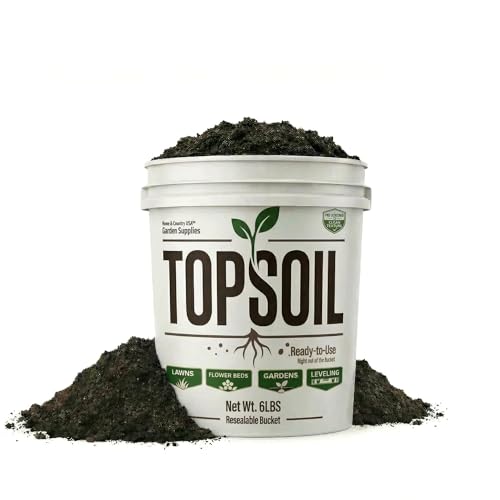
Versatile garden soil and all purpose potting mix works as a raised bed soil, container potting soil, outdoor planting mix, indoor plant soil, flower bed soil, vegetable garden soil, shrub planting mix, and landscaping soil amendment, making this premium topsoil the only garden soil blend you need for every planting application around your home.
Pruning Fountain Grass: When and How to Cut Back for Best Results
I’m going to let you in on the secret to keeping your fountain grass looking fantastic: timing is everything, and it’s easier than you’d think. You’ll want to grab your sharp bypass pruners in early spring or late fall. Never use a hedge trimmer. Cut your grass down to just 4 to 6 inches above the soil, making sure to remove all those clippings so disease doesn’t spread. During midsummer, snip off spent flower spikes at the base to spark new blooms and keep things from self-seeding all over your garden.
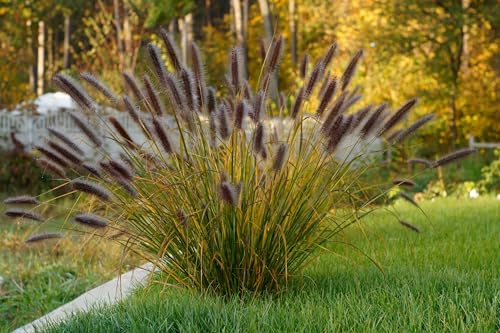
What You Will Receive: You will receive a Pack of 2 healthy Red Fountain Grass (Pennisetum setaceum 'Rubrum') starter plants, each currently 5-9 inches tall. Shipped bare-root and ready for planting, these vigorous starts are the most cost-effective way to create instant symmetry in patio planters or garden beds.

LIVE BLACK FOUNTAIN GRASS: This ornamental grass arrives as 2 live plants about 4 inches tall, suitable for transplanting into garden beds, landscape borders, or outdoor planters.

Live Purple Fountain Grass Plant: Includes fountain grass in a 1 gallon container; features compact growth suitable for containers, borders, or small garden spaces
Timing Your Annual Cutback
When should you actually cut back your fountain grass—fall or spring? The answer depends on where you live. Fall pruning provides a tidy, manicured look in mild climates. In colder regions, wait until late winter or early spring.
To prune, gather the foliage into a bundle and cut 4 to 6 inches above the soil using sharp bypass shears. Avoid hedge trimmers, as they damage the plant’s natural arch. Remove spent flower spikes at the base in midsummer to encourage new blooms. This technique promotes fresh, vigorous growth in fountain grass.
Proper Trimming Technique Steps
Why do so many gardeners mess up their fountain grass with hedge trimmers? I’ve watched folks destroy their plants’ gorgeous crown by cutting indiscriminately.
First, gather all the foliage into a bunch, like a ponytail. Then grab your sharp bypass pruners and cut 4 to 6 inches above soil. That’s all that’s needed.
Avoid hedge trimmers at all costs. They damage the crown and butcher that beautiful fountain-like silhouette you’re after. Whether you’re pruning in fall for tidiness or late winter for winter interest, this technique keeps your plant healthy.
After trimming, remove all cuttings promptly. Don’t compost diseased material; that spreads trouble you don’t need. Your fountain grass will produce years of graceful arching foliage with proper care.
Growth And Maintenance Schedule
How’s your fountain grass looking right now—gorgeous and full, or starting to look a bit tired?
Timing is everything with fountain grass pruning. You’ll want to cut back in late winter or early spring when you’re itching to see new growth emerge. Spring pruning targets old, dead foliage and jumpstarts fresh shoots. If you prefer fall pruning instead, you’ll get tidier beds and encourage vigorous new growth come spring. Either way, gather those foliage bunches, tie them tight, and cut 4 to 6 inches above soil with sharp bypass pruners.
Match your perennial care to your climate. Your fountain grass’s growth schedule depends on sun exposure and soil drainage too. Remove those cuttings afterward. Never compost diseased material, as this spreads pathogens throughout your garden.
Landscaping With Fountain Grass: Edging, Screening, and Design Ideas
I’ve found three stellar ways to deploy this perennial:
- Edging magic: Plant fountain grass edging along pathways in full sun with well-drained soil. The 1–2 foot dwarfs create natural borders that blend seamlessly into landscape design.
- Quick screening: Taller varieties like Vertigo work wonders along fences. You’ll get 6+ feet of privacy faster than traditional hedges.
- Mass planting drama: Cluster them with bedding annuals and late-season perennials like coneflower. Container planting works too for vertical interest.
The key is pairing fountain grass with plants that extend your garden’s visual interest through fall. This perennial provides substantial seasonal color and texture when most other plants fade.

Produces black-purple flowers in late summer to fall

READY TO PLANT: Includes 3 Deer Grass (Muhlenbergia rigens) starter plants in 2.5″ cubes. Each plant is well-rooted and ready to thrive. Natural variations in size, color, or seasonal appearance may occur.

100% Pure, Non-GMO Seeds: Our rough dropseed seeds are sourced from high-quality Seed to ensure optimal growth.
Companion Plants for Fountain Grass: Extending Color Into Fall
When does your garden actually look good? Most of us panic when fall hits and our beds start fading. That’s where companion planting saves the day.
Pairing fountain grass with late-season stars like coneflower, black-eyed Susan, aster, and salvia keeps your garden looking vibrant through autumn. These perennials bloom exactly when fountain grass is hitting its stride, creating a gorgeous layered effect worth displaying.
Pair fountain grass with coneflower, black-eyed Susan, aster, and salvia for a vibrant autumn garden with gorgeous layered blooms.
The trick is choosing companions with matching needs: full sun and well-drained soil. Coneflower and salvia thrive in the same conditions as your fountain grass, so you’re not juggling different watering schedules.
This isn’t complicated gardening. It’s strategic plant friendship. Your September garden will benefit from these combinations.

Fountain Grass Plant Live For Planting, 5-9 Inch Tall, Ornamental Grasses Live Plants Perennial

Hardy in USDA zones 5-9. Due to varying agricultural regulations, we do not ship to the following states: AK, AZ, CA, CO, ID, MT, NV, OR, UT, WA and HI.

Pack 2 Fountain Grass Plants Live, Ornamental Grasses Live Plants Perennial Potted Plants Ready To Grow, 5-9 Inch Height
Container Growing: Potting Mix and Drainage Solutions
I’ve killed more potted plants with soggy soil than I care to admit, so here’s what actually works: you need a high-quality all-purpose potting mix with excellent drainage, paired with containers that have at least four 1/2-inch drainage holes drilled into the bottom. Always elevate your pots at least an inch off the ground to prevent water from pooling underneath, and stick with glazed ceramic, fiberglass, or food-grade plastic planters since they manage heat better than dark containers baking in the sun. Proper drainage functions like an escape route for fountain grass roots. Without it, you’re drowning the plant in a watery environment.


Pack 2 Fountain Grass Plants Live, Ornamental Grasses Live Plants Perennial Potted Plants Ready To Grow, 5-9 Inch Height
Potting Mix Composition
Getting the soil mix right is essential for keeping your fountain grass happy in a container. Fountain grass requires well-draining soil because it despises regular garden soil, which compacts like concrete and invites crown rot. Here’s what works:
- 50% high-quality potting mix as your foundation
- 25% coarse horticultural sand for structure
- 20% perlite plus 5% composted pine bark fines for drainage
This combination drains beautifully while holding just enough moisture. Avoid compost-heavy mixes entirely, as they promote root rot. When you fill your planter to within 2 inches of the rim and water thoroughly, your fountain grass will settle in properly. Getting this mix right directly improves your container gardening results.
Drainage System Setup
Your perfectly mixed potting soil won’t matter if water has nowhere to go, so let’s discuss the plumbing side of container gardening. Soggy roots damage a root system quickly.
Drill at least four ½-inch drainage holes in your planter’s bottom. Don’t skimp on this step. Choose materials like glazed ceramic, fiberglass, or HDPE plastic that handle moisture management without cracking under pressure. Elevate that planter at least 1 inch off the ground using pot feet or small blocks. This planter elevation prevents standing water from pooling underneath, which degrades root health.
Straight-sided containers beat tapered ones because they distribute moisture evenly. Your fountain grass’s roots will benefit from this breathable container setup and solid drainage system.
Fountain Grass Problems: Winter Dieback, Pests, and Seasonal Stress
Why does fountain grass experience such dramatic decline once temperatures drop? Winter dieback is a significant challenge, and you’re not alone in dealing with this seasonal stress.
- Crown rot sneaks in through poor drainage – overwatering during cooler months creates anaerobic root conditions that suffocate your plant
- Salt buildup and drought stress show up as crispy leaf tips – underwatering or container salt accumulation stresses your grass into submission
- Pests rarely cause trouble; seasonal problems dominate – yellowing lower leaves with mushy bases signal crown rot, your real enemy
Your zone determines survival strategy. Zones 9–11 need just 2 inches mulch and monthly watering. Zones 5–6 require fall crown division or moving planters indoors. Zones 4 and colder require treatment as annuals or keeping containers moveable. Proper overwintering planning prevents winter dieback damage.

Turf builder lawn soil has been identified as a water smart product

【Well Drainage】This succulent gritty mix is super well in water drainage, best for drought tolerant succulents and cactus, help your plants grow beautiful colors and also effective prevent rover water

【Optimal Growth Medium】Our specialized Terrarium Potting Soil Mix provides the ideal foundation for miniature plant ecosystems, ensuring lush and thriving greenery in your terrariums
Overwintering in Cold Climates: Strategies for Zones 5–6
How do you keep fountain grass alive when winter turns your garden into a freezer? Zones 5–6 require serious overwintering strategies. Your best bet involves digging up those crowns in late fall, dividing them, and storing bare-root divisions in damp peat moss at 35–45°F. Come spring, replant them like treasures you’ve been protecting all winter.
If you prefer a simpler approach, try indoor overwintering instead. Place potted fountain grass in a bright, cool room around 45–55°F where growth stays minimal. To avoid crown rot, keep soil well-drained and dryish during dormancy. Do not overwater; roots deteriorate in soggy winter conditions.
In-ground plants might die back to the crown but often regrow if drainage is solid. For severe winters, treat fountain grass as an annual or move containers inside.

ORNAMENTAL GRASS: Dwarf Black Fountain Grass features striking deep purple-black plumes that create dramatic visual interest in any garden landscape.

Bloom Time: Produces beautiful blooms during the summer season for extended visual appeal

Alternate names: Dwarf Red Fountain Grass, Bottlebrush Grass, Pennisetum alopecuroides 'Burgundy Bunny', Cenchrus alopecuroides, Panicum alopecuroides, Pennisetum compressum
Fountain Grass Care Calendar: Monthly Tasks and Seasonal Reminders
Once you’ve figured out your overwintering game plan, keeping fountain grass thriving throughout the year becomes significantly less stressful. A solid fountain grass care calendar prevents last-minute scrambling. Here’s what to do:
A solid fountain grass care calendar prevents last-minute scrambling and keeps your ornamental thriving year-round.
- Early spring pruning: Cut old foliage to 4–6 inches above soil before new growth explodes
- June fertilizing: Apply slow-release formula at half-label rate for the entire season
- Regular watering: Let the top 2 inches dry between waterings, then increase during heat waves
From a nursery perspective, spring to early summer is ideal for planting. In container planting situations across hardiness zones 5–9, consistency matters more than perfection. Your dormant period needs minimal fussing; just monitor moisture and avoid late-season feeding after August 1. This rhythm keeps everything manageable.