Walk-in tubs run you anywhere from $5,500 to $33,000 total. That’s a considerable range. The tub itself costs $2,000–$20,000, but then installation adds $2,500–$8,000, and accessories pile on another grand or two. Your budget often increases when you need plumbing upgrades, electrical work, or structural reinforcement.
Understanding where your money goes helps you avoid unexpected costs.
Breaking Down Your Total Walk-In Tub Cost
So what’s actually going to hit your wallet when you’re shopping for a walk-in tub? You’re looking at three main buckets: the tub itself ($2,000–$20,000+), accessories ($1,000–$5,000+), and installation ($2,500–$8,000+). Think of it like buying a car; the base model costs way less than the loaded version. Your tub features matter enormously. Basic models run $2,000–$5,000, while hydromassage systems jump to $5,000–$10,000. Premium options will set you back $7,000–$20,000. Installation cost is the real variable. Complex bathrooms with tricky plumbing situations cost more. Larger tubs need stronger walls and fixtures. Your total walk-in tub investment typically ranges from $5,500–$33,000+, depending on what you’re actually buying.

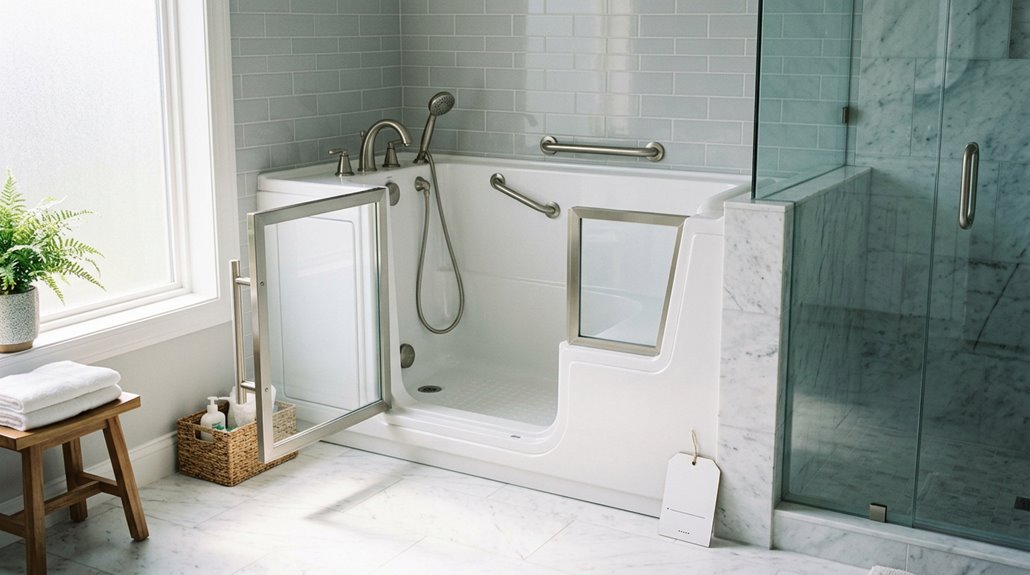
EASY ENTRY SECURITY: Low-threshold walk-in design with an inward-swinging door reduces step-over height for safer access. Integrated grab bars, slip-resistant flooring, and ADA-compliant seat promote steady footing and confident independent bathing.
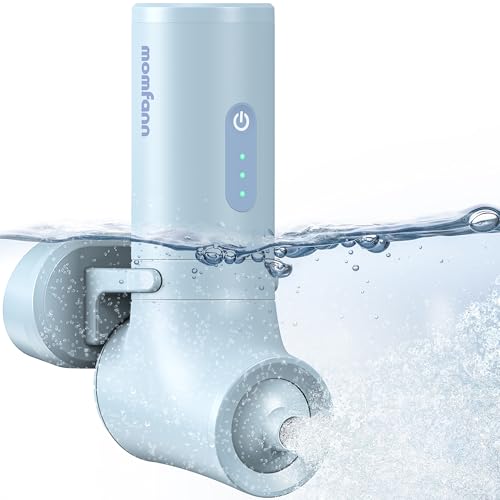
Spa-Like Relaxation at Home: Enjoy a soothing hydro-massage experience with multidirectional bath jets for tub that gently target tired muscles Our cordless jet spa creates enveloping bubbles to transform your bathtub into a calming oasis with refreshing bath jets for spa
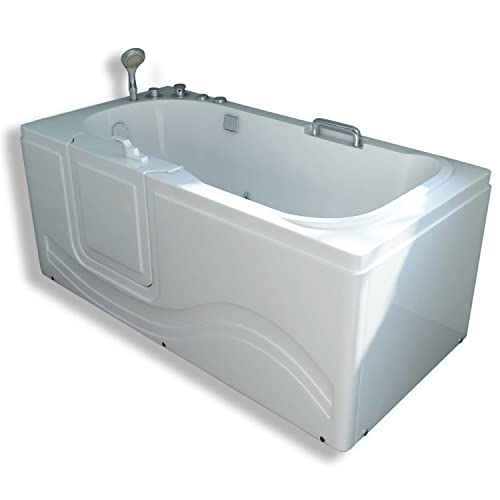
READY FOR INSTALLATION: Our home spa is ready to be installed, you will only have to connect the hot/cold water and drain hoses already included in the package!
How Tub Type and Size Drive Price
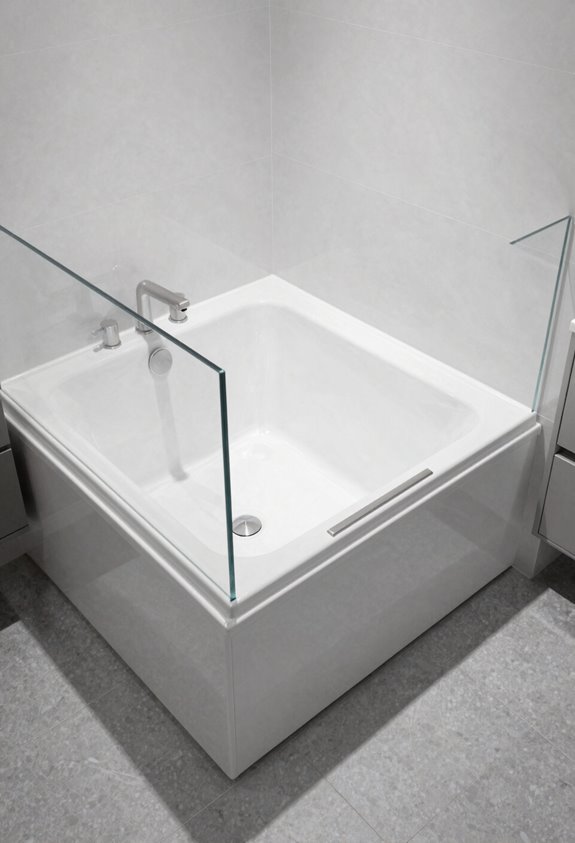
Why does one walk-in tub cost $3,000 while another runs you $18,000? It’s all about what you’re actually buying. Tub type and size are the biggest price factors that affect your budget.
| Tub Type | Price Range | What You’re Getting |
|---|---|---|
| Basic Walk-In | $2,000–$5,000 | Simple, functional |
| Hydromassage | $5,000–$10,000 | Jets and bubbles galore |
| Specialty Models | $2,500–$15,000 | Unique features |
| Premium | $7,000–$20,000 | Top-tier everything |
Larger tubs demand more installation cost, sometimes $8,000 or more, because contractors need extra plumbing and electrical work. Hydrotherapy jets add significant expense to your project. Standard 60″ × 30″ models stay affordable, while XXL bariatric versions increase the total cost. Installation expenses depend on the complexity and size of your tub.

Easy Access Door | Wide opening door with low threshold; watertight seal for secure entry. It's built to last. Easy to install. Backed by ANZZI quality. Designed for everyday use. Adds a modern touch to any space.

The 30” x 60” has 20 strategically placed air jets that create a relaxing full body massage.

EASY ENTRY SECURITY: Low-threshold walk-in design with an inward-swinging door reduces step-over height for safer access. Integrated grab bars, slip-resistant flooring, and ADA-compliant seat promote steady footing and confident independent bathing.
What Installation Adds to Your Total Cost
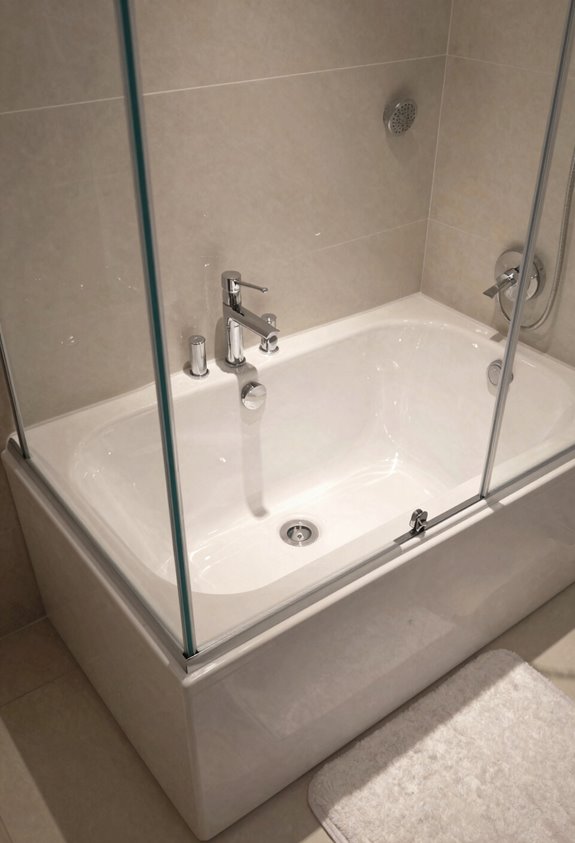
When I started researching walk-in tubs, I realized the sticker shock doesn’t stop at the tub itself. Installation can easily run you $2,500 to $8,000+ depending on what your bathroom’s actually working with. You’ve got labor costs that swing wildly based on whether plumbers need to rewire electrical systems for jets, beef up your water heater, or basically reconstruct your bathroom’s infrastructure. Framing work for a heavier bariatric tub can add substantial costs to your bill. A straightforward swap costs less than a tub that demands new plumbing, electrical upgrades, and code-compliance paperwork all at once.
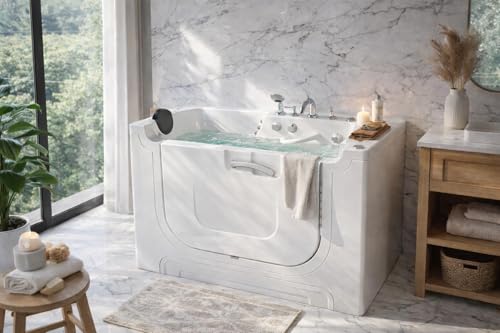
Accessible Entry | The wide-opening walk-in door combines a watertight pressure seal with a low-threshold entry design, helping users move into the bathing area with less effort while reducing common mobility challenges during daily bathing.

EASY ENTRY SECURITY: Low-threshold walk-in design with an inward-swinging door reduces step-over height for safer access. Integrated grab bars, slip-resistant flooring, and ADA-compliant seat promote steady footing and confident independent bathing.

EASY ENTRY SECURITY: Low-threshold walk-in design with an inward-swinging door reduces step-over height for safer access. Integrated grab bars, slip-resistant flooring, and ADA-compliant seat promote steady footing and confident independent bathing.
Installation Cost Breakdown
Installation costs can range from $2,500 to $8,000 or more, depending on your specific situation. Labor costs vary based on your bathroom’s layout and plumbing configuration. If your plumbing is positioned awkwardly or you need electrical work for jets, expect costs at the higher end.
Most walk-in tubs require a 50+ gallon water tank. If your current tank is insufficient, you’ll need to budget an additional $3,000 for an upgrade. Old-tub removal adds another $250 to $700 to the total cost. Each modification or addition to your installation increases the overall expense.
Factors Driving Labor Expenses
What makes installation costs balloon from $2,500 to $8,000 or beyond? Multiple hidden complexities lurk behind your bathroom walls. Your walk-in tub installation labor costs depend on several moving parts, and they add up quickly.
| Factor | Impact |
|---|---|
| Existing tub removal | $250–$700 |
| Water heater upgrade | Up to $3,000 |
| Jet systems | Significant increase |
| Structural support | Varies widely |
During your bathroom remodel, plumbing and electrical upgrades often surprise homeowners. Larger or bariatric tubs demand extra wall work and reinforcement. Specialty jets require additional plumbing runs. A 50-gallon water heater upgrade can substantially increase your total project cost. Like building a house, you cannot install a roof without first checking the foundation.
Safety Features Worth the Cost vs. Luxury Upgrades You Can Skip
The basic safety features are what matter most. When shopping for walk-in tub cost considerations, focus on grab bars, low 3-inch thresholds, and secure seating. These elements influence your overall price and protect you daily. They’re built into most models for good reason.
Focus on grab bars, low thresholds, and secure seating—the safety features that truly matter and protect you daily.
Luxury upgrades like chromatherapy and aromatherapy sound appealing, but consider the cost-benefit carefully:
- Hydromassage systems push prices from $2,000–$5,000 toward $10,000+
- Heated backrests add cost without addressing core safety features
- Ozonizers require ongoing maintenance expenses
Safety features worth the cost keep you independent longer. Skip the extras that look cool but don’t improve your actual bathing experience or protection.

Universal Design: the tub spout diverter repair kit is designed for repairing most standard tub spouts, and features straight edges; Nice tub spout repair replacement parts for faucet bathtub spouts

Package Includes: You will receive 2 pieces of tub spout diverter repair kit, including 1 diverter valve stem, 1 seal, this kit can meet your repair needs.

UNIVERSAL DROP-IN FIT FOR FREESTANDING TUBS – Designed to fit 1-1/2" male, female, or threaded tub drains, making installation easy across most freestanding bathtub models.
When Plumbing and Electrical Upgrades Blow Your Budget
While you’re busy celebrating that you found the perfect walk-in tub at a great price, your plumber’s about to deliver unexpected news: those jets, heated seats, and fancy electronic controls require serious plumbing upgrades and electrical upgrades that will significantly increase your costs.
A walk-in tub with jets needs additional piping, valves, and potentially rerouted lines. That’s labor-intensive work. Then there’s electricity. Advanced features require licensed electricians to install dedicated circuits and upgraded wiring, sometimes running $1,000 or more.
Your bathroom layout matters too. If your tub sits far from existing lines, costs multiply fast. And if you’re installing a larger model, you’re looking at structural reinforcement and extended work. Don’t forget you might need a 50+ gallon water heater upgrade, adding another $3,000.
Budget for these upgrades before committing to your purchase.

Features Auto Drain technology that quickly drains water from the tub in less than 60 seconds

Advanced watertight walk-in tub door system; left side inward swinging door for ease of entry into tub; inward door swing for exiting tub
Walk-In Tubs vs. Walk-In Showers: Which Costs Less
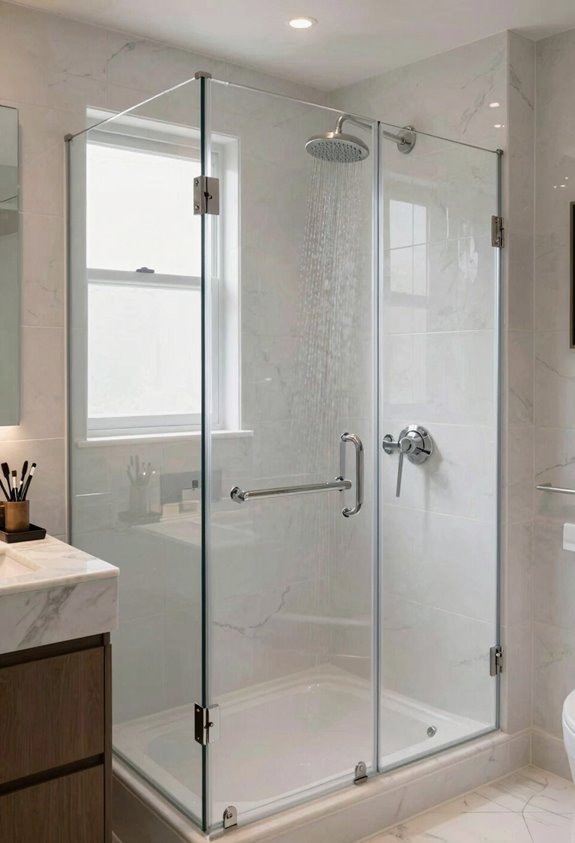
If your wallet’s already feeling the pinch, a walk-in shower will almost certainly cost you less than a walk-in tub.
Walk-in showers cost significantly less than walk-in tubs, making them the budget-friendly accessibility solution for most homeowners.
I’ve seen this play out countless times. Basic walk-in tubs run $3,000–$6,000 before installation costs another $2,500–$8,000. Meanwhile, walk-in showers typically stay leaner unless you’re going fancy.
What really matters in this cost comparison:
- Feature creep kills budgets: Jets, air therapy, and heated backrests transform tubs into luxury spas, and your bill reflects it.
- Installation complexity differs: Shower retrofits need less plumbing work than tub replacements.
- Discounts fluctuate wildly: Tub clearance pricing can drop models to $3,500–$5,000, but showers rarely swing that dramatically.
Walk-in showers provide accessibility without the high costs that deter most homeowners.

Easy Step-In Door Access: No more climbing over high tub walls. The left-side door lets you walk in and sit down safely. It reduces strain on your knees and back, making daily bathing feel much more comfortable and stress-free.

Adjustable Hydro Massage | 12 adjustable whirlpool jets and 18 air jets for full body hydro massage. It's built to last. Easy to install. Backed by ANZZI quality. Designed for everyday use. Adds a modern touch to any space.

✅ Powerful Suction Cup + Simple Installation: Our rotating snap-on suction cup (integrated with the main body) boasts a forward pull-off force of approximately 294 N and a lateral force of about 147 N. Simply attach the suction cup to the bathtub, rotate the switch to secure it firmly (reverse rotation unlocks), ensuring it stays put no matter how it's used.
Funding Your Walk-In Tub: Medicare, Medicaid, VA, and USDA Programs
Ever wondered where you’d find the money for a walk-in tub when you’re already stretched thin. I get it; these babies aren’t cheap. Medicare generally won’t cover your walk-in tub or installation costs. That’s frustrating. However, Medicaid might help through Home and Community-Based Services waivers in certain states. If you’re a veteran, the VA can chip in for safety-related home upgrades. Rural homeowners earning less can access USDA loans and grants specifically for safety repairs. Beyond government funding, contractors often partner with lenders offering financing options and discounts. Multiple pathways exist to fund your walk-in tub. Check what applies to your situation.

The 30” x 60” has 20 strategically placed air jets that create a relaxing full body massage.

Safe Entry | Wide opening walk-in door, low step threshold, built-in Safe Reach grab bar, slip-resistant textured flooring, and ADA-compliant contoured seating work together to support safer tub access and stable movement during bathing.

Minimalist design with contoured lumbar support
What to Budget for Year-Over-Year: Maintenance and Repairs
Once your walk-in tub is installed, the financial obligations continue beyond the initial purchase. You’ll need routine maintenance such as checking door seals and drains to prevent leaks. If you’ve invested in jets and advanced features, budget for professional repairs every few years, as these motors and pumps require periodic servicing. A comprehensive warranty from a quality manufacturer and strategic planning for component replacements will protect you from unexpected expenses.

Space Saving Design: Shower transfer chair clips onto bathtub edge, won't occupy bathtub space, while other shower chair with 4 legs need to put in the bathtub, make it too narrow to shower.

SOOTHING HYDROTHERAPY: Targeted 12 whirlpool and 18 Acu-Stream air jets work together to relax sore muscles and ease daily tension. Adjustable jet modes let you tailor a gentle bubble massage or invigorating water pressure to match your comfort.

Dual Hydro Massage | Dual hydrotherapy with 12 whirlpool jets and 18 air jets for full body relief. It's built to last. Easy to install. Backed by ANZZI quality. Designed for everyday use. Adds a modern touch to any space.
Routine Maintenance Expenses
What’s the real cost of keeping your walk-in tub running smoothly year after year. Walk-in tub maintenance is affordable and straightforward, especially if you have a standard model without fancy jets.
However, if you chose jetted features, budget for specialty cleaners every couple months. Like maintaining a car, neglecting details leads to expensive repairs.
- Seals and gaskets wear down over time and need periodic replacement
- Specialty cleaners keep jets functioning properly every 60 days
- Professional repairs from plumbers or electricians are needed every few years
Quality manufacturers often bundle warranties that cover these expenses, protecting your investment.
Jet System Upkeep Costs
The jetted features that make your walk-in tub feel like a personal spa come with their own price tag. Jet system upkeep demands attention every couple months with specialty cleaners. You’re looking at yearly electrical and plumbing costs ranging from routine jet cleaning to filter replacements and minor repairs. These systems function similarly to hot tub components; those motors and nozzles require professional maintenance occasionally. Plumbers or electricians might visit every few years for more serious issues. Budget around $200-400 annually for preventative care. Manufacturer service plans help keep warranties valid while extending your tub’s lifespan.
Long-Term Warranty Protection
How long do you want your walk-in tub to last; five years, ten, maybe until you retire. That’s where warranty protection comes in. Reputable manufacturers bundle warranties covering major components, providing financial protection for your bathtub.
Consider these factors when budgeting:
- Extended warranties typically run $500–$1,500 and cover parts replacement for 5–10 years
- Manufacturer support includes technical guidance and access to certified repair networks without markup headaches
- Service plans bundle maintenance visits, reducing surprise costs when your jets need attention
Warranty protection functions as your financial safety net. Without it, a motor replacement could cost $800–$1,200. With it, you avoid unexpected expenses that could significantly impact your retirement budget.