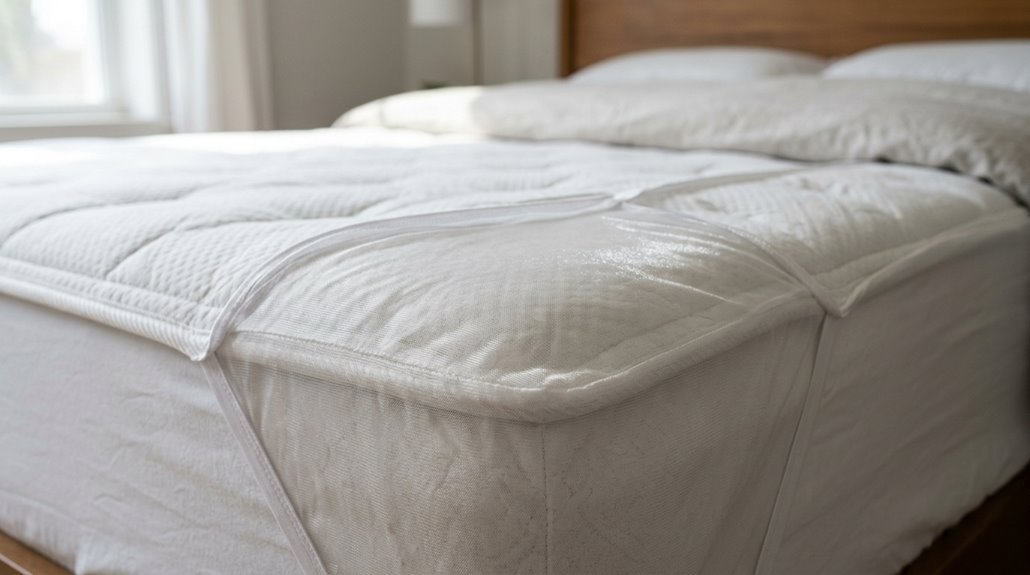
you absolutely need one. Your mattress is basically a dust mite hotel and sweat magnet without protection, and replacing it costs significantly more than a decent protector. A quality mattress protector can add years to your mattress’s lifespan by keeping it clean and dry. Whether you’ve got kids, pets, or you’re just clumsy with coffee, a breathable protector blocks spills, stains, and allergens while staying practically invisible under your sheets. Stick around to figure out which type actually works best for your situation.
Should You Use a Mattress Protector?
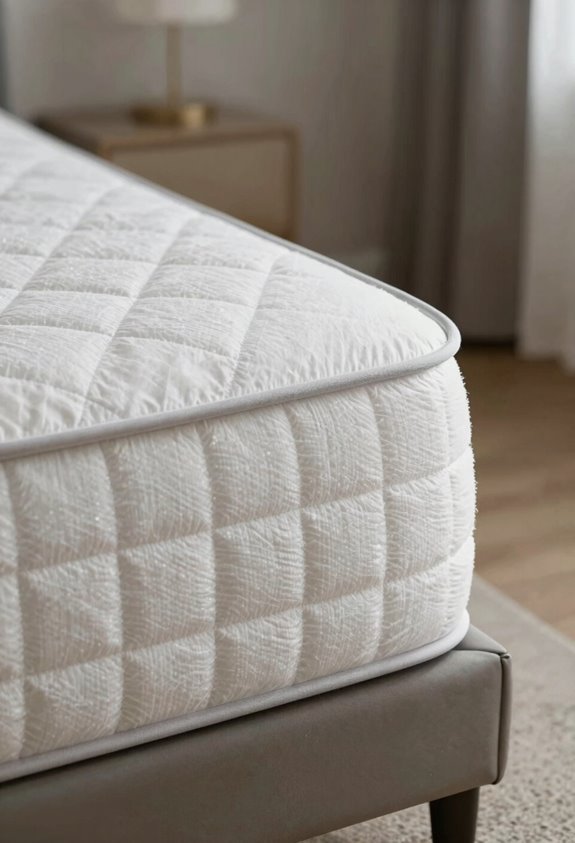
Why do we protect everything else we own but leave our mattresses completely defenseless? A mattress protector is essential if you want your bed investment to last.
A quality waterproof mattress protector sits between you and your mattress, creating a barrier against allergens, stains and spills, sweat, and dust. Protectors designed to encase the mattress prevent mold and mildew from developing underneath where you can’t see them. Plus, they’re machine washable; toss them in every couple weeks.
Without protection, mattress durability declines significantly faster. A protector extends mattress life by years. Whether you’ve got pets, kids, or simply want to maintain a clean sleeping surface, this layer keeps your bed hygienic and fresh.

Unique Style: Stand out with our classic quilted design. It locks in filling for even support and helps regulate temperature—stylish and practical

Mattress Protector: Queen size mattress protector measures 60x80 inches - fits up to 17 inches deep; fitted cover style design with elastic all around.

SAFEGUARD YOUR INVESTMENT: Keep your expensive mattress in pristine condition with our Premium Queen Bamboo Mattress Protector. Our ultra-soft mattress cover protects from dirt, water and normal wear & tear, so it stays clean and comfortable.
What a Mattress Protector Actually Shields Against
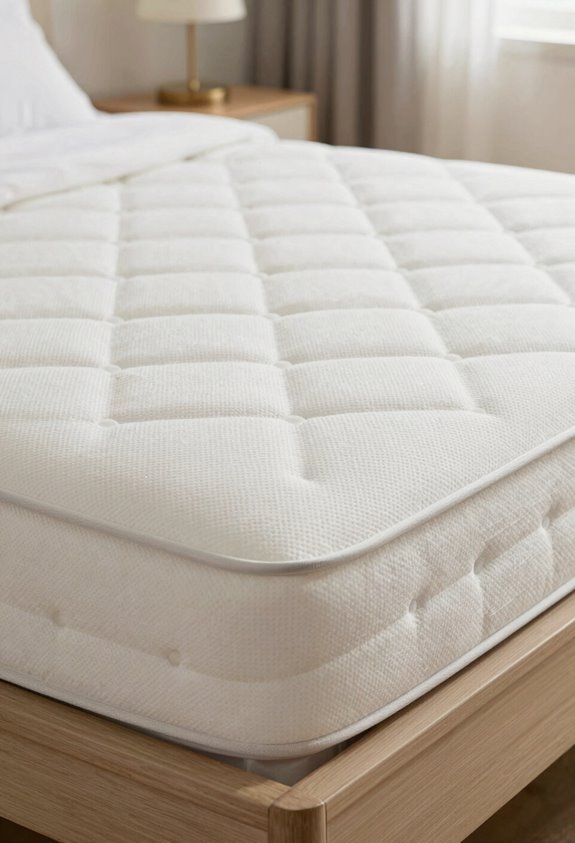
So what’s actually lurking in your mattress right now? Dust mites. Sweat. Spills. Maybe some mystery stains you’d rather forget about. A mattress protector acts like your mattress’s personal bodyguard, shielding it from all that gross stuff.
A waterproof, breathable protector keeps moisture from soaking in while still letting air flow through. This moisture management approach protects your investment without trapping heat like some suffocating plastic blanket.
A waterproof, breathable protector shields your mattress from moisture while allowing air circulation—no suffocating plastic required.
For maximum protection, an encasement wraps your mattress completely, blocking dust mites and allergens from every angle. Most protectors are machine-washable too, so cleaning them is straightforward.
A mattress protector significantly extends your mattress lifespan by keeping it cleaner and fresher, adding years of usable life to your investment.

Mattress Pad: Our Queen size microfiber mattress pad measures 60 by 80 inches and fits mattresses up to 16 inches deep.

Breathable Terry Surface

Waterproof and Breathable: Experience reliable waterproof protection without sacrificing breathability, thanks to the advanced technology of our full mattress protector
Protectors vs. Encasements: Which One You Need
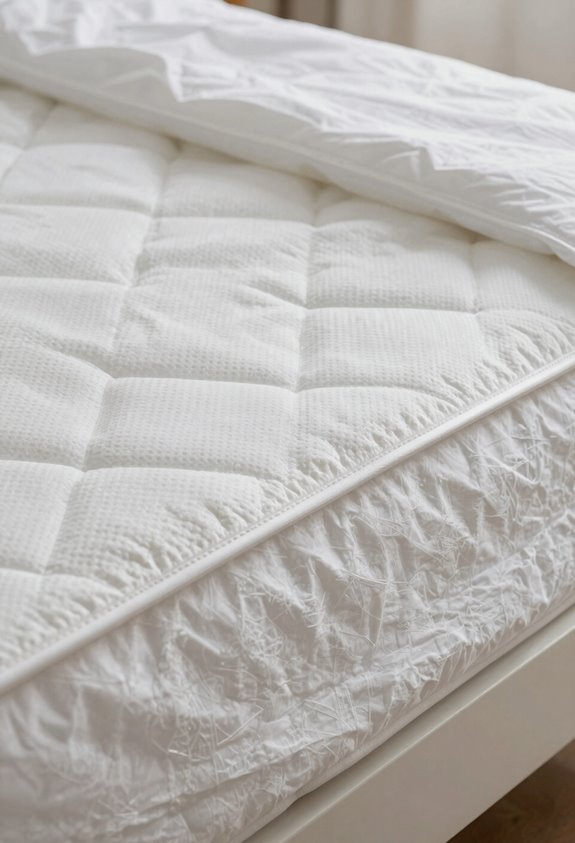
Now that you know what a mattress protector does, the question becomes whether to choose a basic protector or an encasement.
Mattress protectors sit on top like fitted sheets, guarding against spills and stains while keeping breathability intact. They’re easy to launder and practically invisible under your bedding. Encasements offer comprehensive protection. With 360-degree coverage and a zippered seal, they trap dust mites and bed bugs completely, creating a barrier against allergens.
Choose protectors if you want something undetectable and simple to manage. Pick encasements if you’re battling allergies or bed bugs in high-risk areas. Both preserve mattress integrity, but encasements require more effort to remove and wash. The decision depends on what specific threats you need to address.

360° Coverage Protection - Fits 39 inches by 75 inches twin size mattress up to 13 inches deep, fully encasing all sides. The stretchy fabric slips on easily and stays securely in place without shifting. Refer to the installation video below for step-by-step guidance.

360° Coverage Protection - Fits 78 inches by 80 inches king size mattress up to 15 inches deep, fully encasing all sides. The stretchy fabric fits on easily and stays securely in place without shifting. Refer to the installation video below for step-by-step guidance.

360° ZIPPERED BOX SPRING ENCASEMENT: This waterproof box spring cover offers 360-degree protection; the smooth-gliding zipper locks in place to keep spills, accidents, and liquids from reaching your box spring
Picking a Protector That Breathes and Lasts
Once you’ve picked between a protector or encasement, consider this: you could buy the fanciest one out there, but if it traps heat like a plastic bag around your mattress, you’ll be waking up in a sweat puddle at 3 a.m.
I learned this the hard way. A breathable mattress protector balances moisture-wicking fabrics with a waterproof barrier that actually lets your bed breathe. Look for cotton or microfiber paired with a breathable membrane. This combo prevents mold without cooking you alive.
| Feature | What It Does | Why It Matters |
|---|---|---|
| Moisture-wicking | Pulls sweat away | Stops mold growth |
| Waterproof barrier | Blocks spills | Protects mattress |
| Breathable membrane | Releases heat vapor | Keeps you cool |
| Vinyl-free design | Avoids chemicals | Better air quality |
Skip vinyl and phthalates entirely. Grab certifications like GOTS or MADE SAFE. These verify chemical-free construction and protect indoor air quality through durable materials that maintain breathability over time.

360° Coverage Protection - Fits 60 inches by 80 inches queen size mattress up to 15 inches deep, fully encasing all sides. The stretchy fabric slips on easily and stays securely in place without shifting. Refer to the installation video below for step-by-step guidance.

Zippered mattress cover stretches to fit any Queen (60” x 80”) standard mattress depth from 12" to 18"

360° Coverage Protection - Fits 54 inches by 75 inches full size mattress up to 13 inches deep, fully encasing all sides. The stretchy fabric slips on easily and stays securely in place without shifting. Refer to the installation video below for step-by-step guidance.
When to Replace Your Mattress Protector
How long does your mattress protector actually last before it goes from guardian to liability? Most of us get about one to two years of solid protection. Your mattress protector lifespan depends entirely on what you’re throwing at it.
Watch for these signs of wear: persistent odor that won’t quit, visible tearing, or fabric thinning. If stains seep through or dampness reaches your mattress surface, replace sooner rather than later. Increased permeability means it’s no longer functioning effectively.
Mildew or mold growth requires immediate replacement for hygiene reasons. Pets and heavy usage wear patterns accelerate replacement too. Protecting your mattress investment means staying on top of this maintenance. When your protector starts failing, your mattress becomes vulnerable to damage and deterioration. Replace it promptly.

KEEP YOUR MATTRESS DRY - Helps protect against fluids, urine, perspiration and anything else that might stain your mattress!
SAFEGUARD YOUR INVESTMENT: Keep your expensive mattress in pristine condition with our Premium Full Bamboo Mattress Protector. Our ultra-soft mattress cover protects from dirt, water and normal wear & tear, so it stays clean and comfortable.

100% Waterproof - Top protection against perspiration, bed wetting, liquids and stains; 10-year quality guarantee.