

A small garden for kids is a shared container or a few square feet of soil where children grow plants they can actually eat and touch. The catch is that most crops take too long or grow too large, so the choice of variety matters more than the space itself. ‘Sungold’ cherry tomatoes fit a pot and ripen sweet enough that tomato-haters eat them off the vine, while radishes prove the full grow-harvest cycle in 25 days.
Cherry Tomatoes

‘Sungold’ cherry tomatoes earn their keep in a small garden for kids because the fruit is small enough to pop straight into a child’s mouth and candy-sweet enough that even children who claim to hate tomatoes will eat them off the vine. The bright orange color gives kids a clear visual cue for ripeness, and the plant’s compact habit keeps the fruit within easy reach of small hands. One note of caution: tomato leaves are toxic, so position the plant where children can reach the fruit without brushing against the foliage. Start seeds indoors about six weeks before transplanting outside, or buy seedlings to skip that step entirely.

PERFECT FOR SMALL SPACES – Tiny Tim’s compact plants thrive on patios, balconies, or sunny windowsills, giving you fresh cherry tomatoes even without a traditional vegetable garden plot

PERFECT FOR SMALL SPACES – Grow juicy, bite-sized cherry tomatoes in the smallest of spaces! Tiny Tim thrives in containers, patios, and even sunny windowsills, making it the ideal choice for home gardeners who love fresh, homegrown flavor without a large garden.

Compact Patio Variety – Perfect for pots, containers, and small gardens, Easy to Plant even in limited spaces.
Radishes

A radish seedling pokes through soil in about four days, and the whole crop matures in roughly 25 days. That speed matters more than I expected when gardening with impatient small humans. My daughter checked the row daily, and the visible change gave her something to report at dinner without me manufacturing enthusiasm.
The color range helps too. Watermelon radishes split white and fuchsia inside; Easter Egg blends run purple, pink, and white in the same packet. A child who balks at a red sphere will often try what they helped unearth themselves, especially when the harvest arrives before they have time to lose interest.
That quick turnaround does something else. By the time the radishes finish, a child has practiced the full cycle: sow, water, wait, pull, rinse, taste. When the carrots or tomatoes need another two months, the memory of that first success carries them through. The waiting stops feeling abstract because they have already proved they can do it once.

🌱 Perfect for beginners and pros—grows fast! Harvest sweet, crisp radishes in just 25 days.
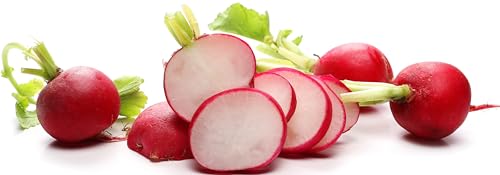
Grow Delicious, Versatile Radishes Fast – Champion Radishes thrive in a wide temperature range, growing quickly in 40–80°. Enjoy crisp, sweet radishes in just 25 days, perfect for salads, snacks, and garnishes.
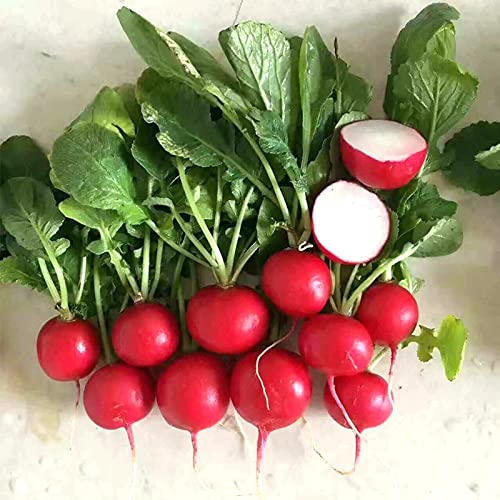
500+ non-GMO heirloom Cherry Belle radish seeds: These seeds are grown from heirloom Cherry Belle radishes, which are known for their crisp, sweet flavor and fast growing qualities. They are also non-GMO, so you can be sure that you are planting seeds that are safe for your family and the environment.
Green Beans

Green beans climb, and that vertical habit turns a pot into something a kid actually wants to visit. A basic trellis built from garden canes and twine fits inside a standard container, no raised bed required. The structure itself becomes part of the play: my daughter treated ours like a bean jungle gym, weaving between the strings to hunt for pods she could reach without my help.
Provider green beans hold up through heat that wilts other vegetables, which matters when summer weekends are your only window for tending things. Runner beans and broad beans drew the most excitement here, mostly because the kids liked popping the pods open to find the beans inside. Raw nibbling happened too, straight off the vine, which surprised me more than it should have.
A pot with a trellis sits on a balcony or patio without the footprint of a row garden. That portability is the real win for renters: take the whole setup with you when the lease ends, soil and all.

SAMLL PLANT SUPPORT STAKE --- Length: 14" (35.6cm), width:4" (10cm). Small trellis also could become large trellis, just stack them up and down, or connect them together left and right perfect for longer or taller plants

Small Size - Length: 10.2"/26 cm; Upside width: 6.1"(15.5 cm); Underside width: 2.2"(5.5 cm), perfect small trellis for potted plants. Dark green makes it invisible for beauty

Peas

Sugar snap peas hit that rare sweet spot where a kid will actually beg to eat a vegetable, but only if you catch them at the right moment. Shelling peas straight from the pod is slow, fiddly work, which means small hands stay busy and the reward feels earned. The crunch and sweetness are brightest when pods are still young; wait too long and the sugars turn starchy, so checking daily becomes part of the ritual.
Peas climb fast and do fine in pots, so a renter with a balcony railing or a narrow strip against a fence can still get a crop. Sugar snaps are the variety most worth planting; the pods are edible whole, and there’s no separate shelling step if the kids would rather just snap and eat. Snow peas, sometimes called Chinese peas, are another option. They mature in about 60–70 days and can go in the ground weeks before the soil warms enough for tomatoes or peppers. Stagger plantings every week or two and the harvest keeps going until frost.

Watermelon Radish (Raphanus sativus): Non-GMO heirloom yields 3–4" round roots with green skin and rosy-red flesh; sweet, mild flavor in 55–60 days.

Heirloom Winter Radish: Watermelon radish seeds produce large green roots with bright pink centers and mild flavor. Ideal radish seeds for planting in fall gardens and cool season vegetable beds.

Beautiful - Large premium packet of Watermelon Rose Radish (Raphanus Sativus) seeds. Heirloom Daikon radish from China with a white exterior. When sliced, this radish looks like a small slice of watermelon, with a green and white edge surrounding a rosy center. Its spicy flavor adds a kick to salads and salsas. Sauteed or roasted, the radish flavor is significantly more mellow. Minimum of 3g (about 280 seeds).
Pumpkins

The miniature varieties are where a small garden for kids actually wins, and ‘Jack Be Little’ pumpkins are the ones worth tracking down. A single plant in a 12-inch container on a sunny porch will set fruit you can actually watch swell day by day; the visual drama hooked my own kids more than anything else we grew that year. The vines stay compact enough that you are not fighting for square footage, and the harvest lands right when the decoration season starts.
The real payoff comes after the growing. Cure them for two weeks on a windowsill, and the rinds harden into something that keeps through October. My two painted theirs with acrylics instead of carving; the flat surface takes designs better than a full-size jack-o’-lantern, and the finished pieces sat on our mantel until Thanksgiving. A neighbor who grew the standard pie pumpkins had rotting fruit by mid-October and nothing left for display.
Pumpkins have to be the hands-down favorite veggie for kids to grow… plus the kids love the double-duty they play as jack-o’-lanterns.
That "double-duty" is the point: one plant covers both the growing season and the craft season without extra trips to the store.

CHALKBOARD PANEL: Features a built-in chalkboard panel on the front for kids to label plants, draw, or write notes while learning to garden

【Mini Garden Experience: Build, Plant, and Observe】Our kid gardening kit allows children to experience the entire plant growth cycle—from planting and growing to flowering and fruiting.

Carrots

Chantenay carrots were built for the shallow soil and tighter corners most renters end up with. The shorter root needs less depth than standard varieties, which matters when your bed sits on clay or your container maxes out at eight inches.
The real draw for kids is the pull itself. The greens above ground give no reliable clue to size or shape, so each harvest is a genuine surprise. Some will fork, some will stub, and a few will come up straight and fat enough to feel like a win. Color runs well past the supermarket orange: you can find seed for purple, yellow, and white roots that read more like buried candy than vegetables. My own preference leans toward mixing a few colors in one row so the surprise doubles when the soil breaks.
Soil depth is the one place this can go wrong. Six inches of loose, stone-free soil is the workable minimum; less than that and you get the stunted, twisted roots that turn kids off gardening for a season. If your bed or pot bottoms out at four inches, Chantenay still works, but plan on baby carrots and an earlier pull. A Root Viewer, planted with a few sacrificial seeds, lets kids watch the root form downward before they try the real harvest blind.

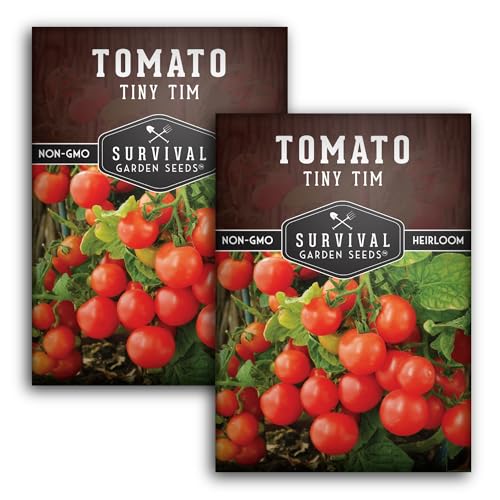
PERFECT FOR SMALL SPACES – Tiny Tim’s compact plants thrive on patios, balconies, or sunny windowsills, giving you fresh cherry tomatoes even without a traditional vegetable garden plot
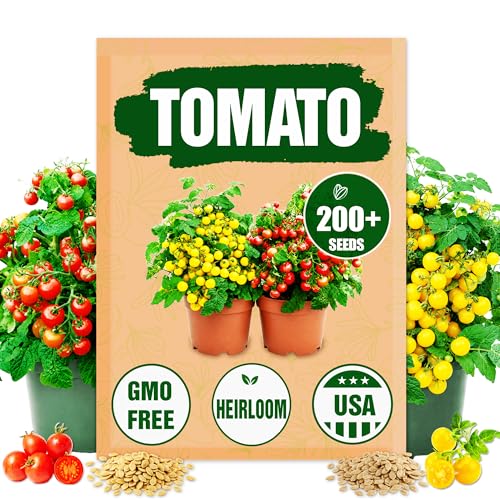
🌱 200+ Premium Tomato Seeds: Includes 100+ red and 100+ yellow Tiny Tim dwarf cherry tomato seeds. Perfect for gardeners who love variety, color, and productivity in compact spaces.
Zucchini

Yellow bush zucchini earned its spot in our small garden for kids the morning my daughter swore the fruit had doubled overnight. She was not far off. These plants move fast enough to feel like a magic trick, which is exactly what keeps children checking the plot each day. The compact bush form stays manageable in a raised bed or large container, so the plant does not overrun the space a child is supposed to manage independently.
The real payoff comes in the kitchen. A single plant produces enough for zucchini fritters one night and blueberry-zucchini muffins the next, which means kids see the full loop from seed to something they actually want to eat. That matters more than the growing itself. Cucumbers and pumpkins offer some of the same generosity, but zucchini hits the sweet spot of speed and versatility without the vine sprawl that swallows a weekend.

HEIRLOOM FRENCH VARIETY – Classic French Breakfast radish with elongated red roots tipped in white, crisp texture and mild flavor make it a favorite salad or snack radish

Fast Harvest: This radish variety is ready to harvest in 18–25 days after sowing; One of the fastest-growing vegetables for home gardens

Strawberries

Strawberries do very well in hanging baskets, and that accessibility is what makes them the first plant my niece checks when she visits. A basket at kid height means she spots the red fruit before I do, and the immediacy of eating what you pick is the whole point: homegrown berries are sweeter and juicier than store-bought, and the juice on her fingers proves it. The plants didn’t survive her enthusiasm in our first summer, which taught me to hang a second basket as backup. What sold me on making space for them is the perennial return: strawberries come back year after year, so a child who helps plant them at five still finds familiar leaves waiting at seven. That long-term engagement builds more than a single season’s habit.

[Package Contents] You will receive 3 three-layers plant support cages, 3 grow bags and 1 use manual. The tomato cages are composed of 27 straight poles, 27 connecting rods and 18 connecting joints. These three complete sets will help you to train and support the upward growth of the plants.

【Package included】:Crafted from robust hollow steel, this garden stakes features a fade-resistant green plastic coating, offering reliable protection against wind, rain, and rust. This Trellis for Climbing Plants Outdoor comes complete with everything you need to get started: 17pcs metal stakes, 8pcs T shape connect pipe, 2 A-shaped connectors, and a 0.9x1.8meter bird net.

High Quality: Trellis netting for climbing plants is made from sturdy 27 strands of high-quality nylon thread ( not 18 strands). Sturdy and durable, tear-resistant. Strong reaking strength supports heavy crop loads.
Herbs

Basil and mint are the herbs that pull children into a garden through their noses and fingertips. Warm soil releases basil’s peppery sweetness when a leaf is bruised, and mint snaps back with coolness that surprises first-timers. That sensory shock is what converts a reluctant helper into someone who checks the plants before breakfast. Both herbs forgive the lapses that come with busy weekends; mint especially tolerates some neglect and still pushes out new growth from stems that look half-dead. A small container on a windowsill or a corner of any raised bed keeps the stakes low. If the watering slips or the sun is imperfect, the plant recovers instead of dying dramatically. Children notice that resilience, and it builds the confidence to try crops that demand more precision later. Start with a pot they can manage alone, because ownership matters more than harvest size.

White Icicle Radish has been grown in American gardens since the late 1800s — over 125 years of proven performance. Unlike round radish varieties, its elegant carrot-shaped roots grow up to 5 inches long and have been used in Ancient Chinese medicine for centuries to support healthy digestion and cell rejuvenation.

5 VARIETY PACK - All the seeds you need for your own radish garden. 5 Varieties to help you grow a radish garden at home. Watermelon, French Breakfast, Champion, Cherry Belle, White Icicle variety seed packets.

Radish Seeds: Grow fresh Watermelon Radishes from seed this spring or fall season. Because Radishes are cool weather crops, they prefer temperatures of 60F to 65F.
Sunflowers

Sunflowers grow several inches per week and reach heights that dwarf most children, which is exactly where the magic lives. A simple ruler or garden stake lets kids track that weekly surge themselves, turning the plant into a living measuring tape they can brag about to anyone who will listen. The large seeds are easy for small hands to press into soil, and the payoff comes fast enough that even a six-year-old does not lose interest before the first green shoot appears.
Bees and birds arrive in steady traffic once the yellow faces open, so the garden becomes a stage for wildlife watching without any extra work. After bloom, the dried heads yield a second project: harvesting seeds for next year’s planting or for roasting. Varieties like ‘Mammoth’ work best here, tall and single-stemmed, though the height means staking if your yard catches wind.


What You Get: 25 pcs colorful small plant nursery pots and 25 pcs transparent humidity domes and 25 pcs pots trays, that can be used to plant and cultivate most small and medium-sized plants such as plants, seedlings, seeds, etc.

Fun & Educational: Have fun digging, planting and watering! This set is perfect for teaching kids the basics of gardening in a safe and exciting way
Garden Size

A children’s garden needs no more than a few square feet, or even just a couple of containers. That footprint is enough for a cherry tomato plant and a small lettuce pot, and it keeps the weekend workload from turning into a chore the kids abandon by July.
Containers also solve the renter’s problem. A balcony, windowsill, or fence rail becomes the garden, and everything moves with you when the lease ends. Hanging baskets suit strawberries. Deep pots work for radishes. A pot with a small trellis handles beans. No ground to break, no landlord to ask.
Kid-Sized Tools

Child-sized tools matter less for the cuteness factor than for the simple physics of a small body trying to work soil. A spade with a handle too long becomes a lever the child fights rather than uses; weight that feels minor to an adult exhausts small arms in minutes. The sources point to handles rounded and scaled to a child’s grip, which keeps the wrist neutral and the tool face where they aimed it.
What convinced me, reading through the guidance, was the emphasis on active involvement rather than toy substitutes. A toddler pushing a toy mower nearby is occupied, but a child with a real, properly sized trowel or rake is participating. The locked storage rule applies to all tools, child-sized or not: out and locked away immediately after use.
Watering cans and gentle spray wands come up repeatedly as the first tools kids manage well, probably because the task is forgiving and the result is visible. For digging and raking, look for metal heads rather than plastic ones that bend in actual soil, but keep the total weight under what the child can lift at arm’s length. If they need two hands just to hold the tool horizontal, the job becomes about strength, not gardening.
Safety Rules

Toxic plants are the hazard I underestimated when my niece first started wandering the garden on her own. Foxglove, lily-of-the-valley, and even the castor bean plant I grew for its dramatic leaves all had to go; two inches of birdbath water poses the same drowning risk for toddlers as a deeper pool, so supervision matters even for the shallow stuff. Renters face a particular squeeze here: you can rip out a dangerous perennial in your plot, but you cannot control what grows in the communal beds beyond your fence. A quick walk of the full space at the start of each season flags what has migrated in, and a locked cabinet for tools (not the patio corner where I used to lean them) keeps sharp edges away from small hands.
What Kids Learn

A small garden for kids teaches responsibility in daily doses they can actually manage. Watering a cherry tomato plant every morning, checking if the soil feels dry first, deciding whether today needs the can or just the misting bottle: these are small judgments that add up to real ownership. The plant lives or struggles based on what they do, not what they promise to do later.
Patience works differently depending on what you plant. Radishes reward in three to four weeks, which feels fast enough to hold a six-year-old’s attention. Green beans and peas stretch that to two months, and pumpkins make them wait most of the summer. That range matters. A garden with only slow growers loses kids before the lesson lands; one with only instant gratification never stretches them. My own preference runs toward pairing a fast crop with a slow one from the start, so the waiting has company.
Nature appreciation happens in the specifics. A child who has watched a pea tendril wrap clockwise around a string notices tendrils everywhere afterward. The bean seed split open in the clear cup, root hairs branching white against the plastic: that image stays. Sources describe children who will try any vegetable they grew themselves, even ones they refused at the table. The health benefit is not abstract; it is a kid who harvested a carrot, brushed the dirt off with their thumb, and ate it standing in the garden because the moment felt earned.
Frequently Asked Questions
What are the best plants for kids to grow?
Fast-growing, colorful, and edible plants work best in a small garden for kids. Cherry tomatoes, radishes, and green beans top the list because they produce visible results quickly and let children eat what they harvest. Radishes mature in about 25 days, cherry tomatoes are sweet enough to win over reluctant eaters, and climbing beans turn a simple pot into an interactive jungle gym.
How can I make a garden safe for children?
Remove toxic plants like foxglove and lily-of-the-valley, store all tools in a locked cabinet after use, and supervise toddlers around any water deeper than two inches, including birdbaths. Walk the full garden space at the start of each season to spot hazards that may have spread from communal areas, and position plants like tomatoes where kids can reach the fruit without touching toxic leaves.
What size should a children’s garden be?
A few square feet or even just a couple of containers is plenty for a small garden for kids. That footprint holds a cherry tomato plant and a lettuce pot without turning weekend care into an overwhelming chore. Containers also let renters garden on balconies or windowsills and take the whole setup along when they move.