

An acacia wood table is a dense-grained hardwood piece built for rooms that see daily use. The catch is the finish: wipe it with a damp cloth only, because spray cleaners strip the sealant and the open grain beneath stains unevenly. At $699, EQ3’s Kacia dining table sits right in the category’s working range, with rounded edges and a chestnut brown finish that holds up to dropped spoons and forgotten coasters better than softer woods manage.
Dining Tables

Solid acacia wood dining tables tend to hit a sweet spot for daily use that softer woods miss. The grain itself is dense enough to shrug off the routine abuse: dropped serving spoons, a laptop corner during Wednesday lunch, the occasional water ring when someone forgets a coaster. What sells the material is that the surface keeps showing variation even after years of that abuse. The Kacia dining table runs $699.00, built with rounded edges and a chestnut brown finish that leans mid-century without going full vintage replica. Three sizes seat four to eight, and the matching bench option matters more than you’d think if floor space is tight. Assembly is straightforward enough, though flipping the assembled top upright takes two people and a clear path. Freight delivery runs three to six weeks for in-stock large pieces, and you’ll need to be home for the appointment window.EQ3 covers material and workmanship defects for one year, which is standard for this tier but worth noting since solid wood can crack in dry climates and you want that path available. Wipe it down with a damp cloth only; skip the spray cleaners entirely, as the finish degrades fast.

Large Table Top: 69 "L x 33" W x 30 "H indoor dining table can comfortably accommodate 6 people at the same time. Enough spacious wooden table can be used to place vases, tableware and other items, bringing more convenience to your life

Quality Wood Dining Table: This farmhouse dining table features a tabletop with 3 solid wood panels and solid wood legs for a premium look and durability; Solid wood kitchen table features non-toxic finishes to complement your healthy living space

[Contemporary Charming] Our affordable dining room table boasts a modern design that complements any decor with casual elegance. Versatile and stylish, it enhances offices, kitchens, living rooms, dining rooms, bedrooms, cafes, restaurants, and more.
Coffee Tables

A good acacia wood coffee table runs anywhere from $559.20 to $5,097.60, and that spread tells you almost everything about the category. At the lower end, the Seb rectangular hits $399 with a rustic finish and straightforward joinery. At the upper end, a parquet-top faux bamboo piece like the Tidewater lists at $1,852.80 even on sale, and the Tedrick round dining table, scaled to living room proportions, pushes past $5,000.
Most living rooms need something in the 35- to 55-inch range. The Zeyrith 35.5-inch round sits at $499.98 and suits tighter spaces; the Kato rectangular at $1,764.48 stretches out for larger seating groups. Width matters more than length here, since a coffee table that overreaches your sofa seat depth becomes a shin magnet.
The wood’s natural oils give acacia genuine moisture resistance, not marketing hype. In a space where drinks sit for hours, that matters more than finish color. I’ve seen water rings lift off sealed acacia with just a dry cloth where softer woods would need sanding. The Kato line’s Tully Light finish and the Xylara’s natural tone both play this straight, neither hiding the grain under heavy stain.
Style splits roughly in two. The Seb and Xylara lines go rustic with visible grain and softer edges. The Casa and Kato collections run modern with chamfer stops and blade legs. Your living room probably already picked which one it wants. Mine, heavy on inherited textiles, leans rustic; a friend with steel-framed windows went Kato and never looked back.

ELEGANT MID CENTURY MODERN DESIGN: Include timeless appeal to your home with our mid-century modern buffet cabinet with storage; The unique geometric pattern enhances the elegance and sophistication of any kitchen, dining room, or living room decor


US SELLER – MADE IN VIETNAM: Crafted by skilled artisans in Vietnam, this nightstand reflects thoughtful construction and attention to detail, with fulfillment from the U.S. for efficient delivery
Console Tables

A narrow acacia console table behind the sofa or in an entryway gives you a drop zone without eating floor space. The wood runs about 1,750 on the Janka hardness scale, harder than walnut, so a set of keys tossed down or a mail sorter sliding across day after day is not going to dent the surface the way a softer pine would.
The grain is what you are paying for, so I would keep styling low. One lamp, maybe a shallow bowl, and let the figuring do the visual work. A glossy finish pushes the grain forward; a matte or rustic finish, like the Seb Console Table at $599 from Castlery’ s line, quiets it down and reads more utilitarian. Two directions, neither wrong.
EQ3′ s Kacia collection leans the other way, warm chestnut with rounded edges and thin lines, more mid-century than rustic. The care is the same either path: soft damp cloth, no abrasive cleaners. That is not fussiness; it is just that the finish sits on top of the open grain, and once you scour through it, the bare wood underneath stains unevenly.
For a renter, the console format is the least commitment of the acacia table types. It is under 16 inches deep most of the time, so it clears door swings and hallway traffic, and if you move, it works in the next place as a desk backing, a bar, or still just an entry table.

【Natural Acacia Wood】Crafted from 100% solid acacia wood, this round wooden tray is a durable wood serving tray for your ottoman, coffee table, or couch.

Suitable Size: 10 inch acacia wood lazy susan saves space by fitting seamlessly into crowded kitchen countertops, pantries, or cabinets. Designed for busy chefs and home cooks, it holds the perfect quantity of spices, oils, condiments, or utensils keeping your most-used items organized and within easy reach

Round Decorative Tray: This coffee table tray's design combines functionality with aesthetic appeal. It features a simple, minimalist appearance that goes well with many different types of decor. Add your favorite candles and a couple small plants to create a unique candle holder tray, make an interesting centerpiece for your coffee table.
Side Tables

Acacia side tables earn their keep in rooms where a lamp and a stack of books need a steady home. The wood’s heft matters more than people guess; a too-light table scoots across the floor every time you reach for a glass, and acacia doesn’t do that. The grain pattern you’re paying for actually shows up at this scale, since face-grain on a small top isn’t sliced into invisibility by a twelve-foot expanse. Bedside, the warmth works with reading lamps the way painted MDF never quite does, and end-table duty by a sofa is where you notice the color shift as afternoon light moves across the surface. For renters, the smaller footprint means you’re not building the room around a piece you might not take to the next apartment. A single acacia side table does what I used to try to do with matching sets and never quite achieved: it sits there looking like it was chosen, not assembled from a catalog page.

Premium Acacia Wood Construction: Crafted from solid acacia wood, renowned for its high hardness and anti-crack feature, this coffee table will be a long-lasting addition to your outdoor living space. The tabletop can load up to 180 lbs

GEOMETRIC DESIGN: Handcrafted 35-inch round coffee table with faceted drum shape adds a bold statement to modern or industrial spaces; ideal for living rooms, family rooms, and versatile spaces

Rattan Accent for Boho Flair: The rattan coffee table brings a relaxed, casual boho and farmhouse vibe to any living space, making it a standout feature for eclectic interiors. This splinter-free PE material ensures a long-lasting pristine look without the maintenance concerns of natural rattan.
Outdoor Tables

Acacia stands up to weather better than oak because its grain is naturally denser and less welcoming to moisture. That density matters on a patio where morning dew, summer humidity, and sudden temperature swings warp softer woods inside a season or two. An acacia wood outdoor table shrugs off those fluctuations in a way pine or cedar simply cannot.
The natural resistance is only the starting point. What actually extends the life is a maintenance rhythm most people skip: a light coat of oil or a penetrating sealant reapplied at the opening and closing of outdoor season. Let the table dry fully, work the finish with the grain, and leave it under a cover or in a covered area when it is not in use. Skipping this and trusting the wood alone leaves you with surface checking and graying within two years; keeping the schedule buys you closer to a decade of solid use on a balcony or dining patio. The effort is two hours a year, and the alternative is replacing the table.

COASTERS with HOLDER SET: 6 pcs acacia wood coasters and a black metal coaster holder that keep the coasters easily available and organized
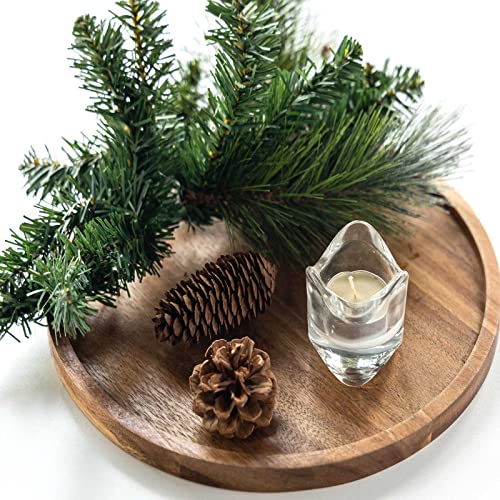
✔️ Natural Wood - Our wooden trays for decor are made of premium Acacia wood. We only use 100% natural wood.

Unbreakable Serving Tray: Premium acacia wood edges articulate tightly to a sturdy MDF bottom, reducing the risk of cracking by 70% compared to solid wood ones. Our strict manufacturing standards ensure a well-made, sturdy wood serving tray that can last for years without chips
Benefits of Acacia Wood

Acacia wood lands in a sweet spot that explains why it keeps showing up in dining rooms and on patios priced under $700. The grain is the first thing that stops people mid-room: a rich, complex pattern with thin lines and color variation that reads as far more expensive than the price tag. That visual depth comes from acacia’s density, which also makes it durable enough to survive daily meals, laptop work, and spilled coffee without the softness that dents easily.
Outdoor use is where the wood’s natural resistance to moisture actually matters. Its dense grain handles humidity and temperature swings better than softer woods, though the finish still needs resealing or oiling to last. I would not leave it fully exposed year-round; a covered patio or balcony with seasonal storage is the practical limit.
The tradeoff is maintenance discipline. Harsh abrasives or household cleaners will damage the finish, so a soft damp cloth is the only safe routine. Skip that care and the surface degrades faster than the price would suggest. For renters and first-home owners doing one project a year, acacia works best when you are honest about whether you will actually oil the table twice a season.

AUTHENTIC SOLID WOOD CHARACTER:Crafted from solid wood, this dining table showcases distinctive grain patterns, organic knots, and rich natural variation. Its substantial wood construction brings lasting character and a warm, grounded presence to your dining space.

Large Table Top: 69 "L x 33" W x 30 "H indoor dining table can comfortably accommodate 6 people at the same time. Enough spacious wooden table can be used to place vases, tableware and other items, bringing more convenience to your life.
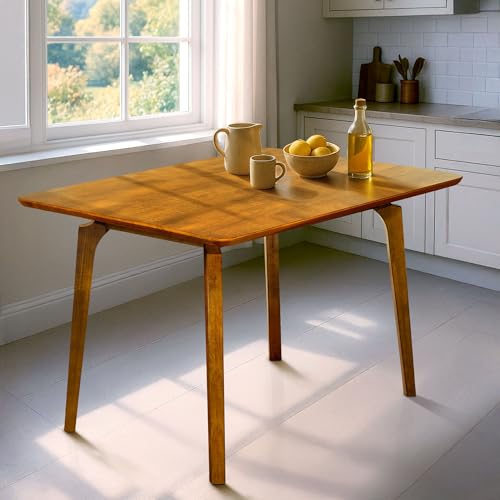
ELEVATE YOUR DINING EXPERIENCE: Verve solid wood dining table effortlessly combines modern farmhouse charm with artistic elegance, making it the ideal centerpiece for your home. Its sleek, slightly curved legs and clean lines offer a sophisticated yet cozy ambiance that complements any decor
Care and Maintenance

- Wipe the table down with a soft dry or slightly damp cloth for everyday cleaning. Dust and spills lift off easily if you catch them early.
- Skip the harsh chemicals and abrasive cleaners. I learned this the expensive way on an old console; anything stronger than mild soapy water strips the natural finish and leaves the surface looking dulled.
- Dry the wood thoroughly after wiping. Standing moisture, not the humidity itself, is what warps the grain over time.
- Condition the surface every few months with a wood-safe oil or polish. In drier climates, acacia needs this more often; the oil prevents the cracking that starts as tiny hairlines you barely notice until they spread.
- Use coasters and placemats without exception. Heat rings from a takeaway coffee cup or a wet glass left overnight will outlast any apology you make to the wood.

Artisan-Crafted Elegance:Elevate your kitchen and home décor with our handcrafted paper towel holder, made from premium acacia wood. Its timeless design and artisan quality enhance any countertop, perfectly complementing warm, natural interior styles.

【Mid Century Modern Style】Featuring a timeless mid-century modern design with elegant walnut finish, this round dining table adds warmth and sophistication to kitchens, dining rooms, cafes, and apartments.

Mid-century modern style
Acacia vs Other Woods

Acacia sits in a useful middle ground that is worth mapping before you spend money. Against teak, it gives up some natural oil content and therefore a small edge in weather resistance; in exchange, it costs noticeably less and still carries the density to handle daily knocks. Against oak, acacia outperforms on moisture resistance, which matters in kitchens, bathrooms, and any room that sees humid summers or winter dry-thaw cycles. Oak can check or warp where acacia holds steadier.
| Acacia | Teak | Oak | |
|---|---|---|---|
| Durability | High | Very high | High |
| Moisture resistance | Strong | Slightly stronger | Moderate |
| Cost | Lower | Higher | Mid |
| Best fit | Versatile rooms | Full outdoor exposure | Traditional interiors, dry spaces |
For renters and first-time owners working weekend budgets, acacia wins the value round. Teak only pays off if the table lives outside year-round with minimal cover. Oak is fine for dining rooms you can climate-control, but the premium for white oak is harder to justify when acacia scratches and dents at similar rates for less money. Maple and pine run softer; pine dents from a dropped fork, and maple prices climb close to oak without matching acacia’s humidity tolerance. The real tradeoff is covers and oiling: budget twenty minutes every two months if the table sees porch time, or buy teak and forget it for a season.

Discover Authentic Natural Charm: Crafted from premium solid acacia wood, each tray showcases unique, captivating grain patterns and warm honey tones. Experience genuine organic beauty—every piece is truly one-of-a-kind

This acacia wood outdoor Dining Table is a wonderful addition to your patio

360°Smooth Rotation - The lazy susan turntable rotates smoothly and silently, placed next to the stove for easy access to condiments, spices, olive oil and cooking supplies. Placed next to the sink to display soap lotion. Thoughtful kitchen countertop organizers to rid your life of clutter!
Frequently Asked Questions
What are the benefits of acacia wood furniture?
Acacia wood offers a dense grain that survives daily meals, laptop work, and spilled coffee without denting easily, plus rich visual patterning that reads as more expensive than the price tag. Its natural moisture resistance also makes it practical for humid spaces and covered outdoor areas, though you will need to reseal or oil it to extend that life.
How do you care for and maintain acacia wood furniture?
Wipe with a soft dry or slightly damp cloth for everyday cleaning, and skip harsh chemicals or abrasive cleaners entirely since they strip the finish. Dry the wood thoroughly after wiping, condition with a wood-safe oil every few months, and always use coasters and placemats to prevent heat rings and water marks.
Is acacia wood furniture suitable for outdoor use?
Yes, acacia works outdoors because its dense grain shrugs off humidity and temperature swings better than softer woods like pine or cedar. The practical limit is a covered patio or balcony with seasonal storage; reapply oil or penetrating sealant at the start and end of outdoor season, and never leave it fully exposed year-round without that maintenance rhythm.