
A school garden is an outdoor classroom where beds, paths, and gathering spaces are laid out so students learn by tending plants. The part most planners miss is that the design only works if students shape it from the start; a bed a teacher assigns sits untended, while one a student mapped out gets checked between classes. That ownership carries through to summer, when a rotation of families with written handoff sheets taped inside the shed door keeps tomatoes alive through July.
Defined Zones for Different Plant Types

Dividing a school garden into separate areas for vegetables, herbs, native plants, and pollinator flowers gives students a concrete way to see why a tomato thrives where a coneflower struggles. Each zone becomes its own lesson in plant families and the conditions they demand.
Most vegetables, herbs, and flowers need a minimum of six hours of full sun, so that figure should guide where you place each zone rather than where you build a shade structure. Check the site at different times of day, and watch how buildings or trees block light in different seasons when the sun sits lower or higher. A spot that looks bright at 10 a.m. in March may be shadowed by 2 p.m. once oak leaves fill in.
Signage at the edge of each zone helps students recognize plants before flowers or fruits form, when foliage alone can stump even adult gardeners. The signs also mark which growing conditions each area is meant to demonstrate, so students connect the label to the soil, light, and water they are observing in real time.

Humanized Design: Our raised garden beds with their large volume design provide ample room for your plants to grow, allowing plants to spread freely. The 3ft raised design reduces bending and makes it easier to plant and tend to your plants, turning gardening into a pleasure rather than a chore.
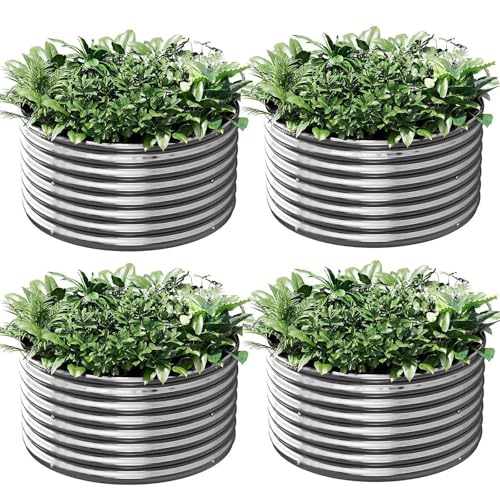
Durable planter box: The round galvanized raised garden bed allow to expose to sun, rain, snow and so on for a long time.

Size: 36"(L) x 36"(W) x 12"(H),Planter raised bed provide outdoor sufficient space to grow vegetables,flowers,galvanized garden bed
Accessibility Features

Raised beds no wider than 3 feet let students reach the center from either side without stepping into the soil. I skip the four-footers I use at home; half the class would be squeezed out of the planting, or someone would trample seedlings trying to help. Tabletop-height planters, about 3 feet up, bring the dirt surface within reach of a seated student in a wheelchair, so that child is not parked at the edge watching peers work.
Pathways need at least 3 feet of flat, compacted width. Narrower strips bottleneck wheelbarrows, force some kids ahead and others behind, and make wheelchair turns tight. Grass paths are an option, but I would lay down mulch; it holds walkers together on the same line, still drains, and weeds need far less attention between class visits. A 3-foot bed with 3-foot aisles turns a garden from an obstacle course into a room where a whole group circles a bed and every student has a station.

This one-of-a-kind, ADA-compliant elevated raised bed has a shallow planting shelf in front to allow plenty of room for the wheelchair to roll underneath. This area is intended for herbs and low-growing greens that will be harvested regularly.


Raised Bed Planter: A classic VegTrug product, Raised Bed Planter is an ergonomically designed versatile planter that offers ample space for your product to grow and bloom. This accessible, lightweight, and irresistible planter is super easy to work with.
Seating and Shade Areas

The best spot for a gathering area is usually the northeast corner of the plot, or anywhere beds sit to the south and west so the structure’s shadow falls across pathways instead of vegetables. I learned this the hard way after placing a tarp awning dead center and watching tomatoes struggle through September. Deciduous trees solve the problem year-round: bare branches let winter light through, full canopy blocks summer heat. For seating, a circle or semicircle of benches works better than rows; students actually face one another, and a teacher can see every face without craning. A full class runs 20 to 30 students, so scale accordingly. Long benches weather fine, though repurposed stumps or hay bales work in a pinch. What starts as the lecture spot quickly becomes where kids compare seedlings, eat lunch, and argue over whose squash is bigger. The garden teaches there, but it also lives there.

524 PREMIUM SEEDS – BRILLIANT COLOR, FAST GROWTH: This large pack includes 524 USA-packed, high-germination Zinnia Dahlia seeds that bloom into stunning double flowers in red, pink, orange, white, and more. Easy to grow, beginner-friendly, and perfect for bouquets, borders, and containers. Blooms in just weeks and lasts all summer!

Easy-Growing Wildflowers: This Early-Blooming, Carefree Wildflower Seeds Mix Includes 14 Of North America’s Most Beautiful Wildflower Varieties; This Gorgeous Blend Will Quickly Delight Pollinators And People Alike

Water Access Solutions

A water source should sit within 50 feet of the beds, plain and simple. Anything farther turns watering into a chore that volunteers and students drift away from by midsummer, and the garden fries in August while everyone debates whose turn it is to haul.
Hoses are the straightforward fix where a spigot already exists. I would budget for a hose reel or at minimum a wall bracket so the thing is not a mud-slicked tripping hazard across the grass. For younger students, the spray and weight of a running hose can overwhelm, so a shutoff valve at the nozzle lets fifth graders manage the flow without wrestling the whole line.
Rain barrels downspout catchment work where your building has the gutters for it. They are not free water in the way people sometimes imagine; the setup takes hardware and a plan for overflow in heavy rain. Still, they give you a fill point that does not depend on the custodian remembering to unlock the spigot, and the math of collection, evaporation, and plant demand is its own lesson.
Watering cans stay useful even when you have the fancier options. They slow the youngest children down in a good way, one cup at a time, and they keep water off leaves in the evening when mildew matters. The trade you make is time. If your beds run long or your summer is dry, cans become a slog that volunteers burn out on fast. My read: cans for the pre-K corner, a hose on a timer or a barrel system for anything beyond that.

Cute Herb Flower Designs: Includes 84 durable Plastic stickers featuring 42 popular herb like basil, mint, rosemary, thyme, and more. Keeps your herb garden organized while adding a decorative touch.
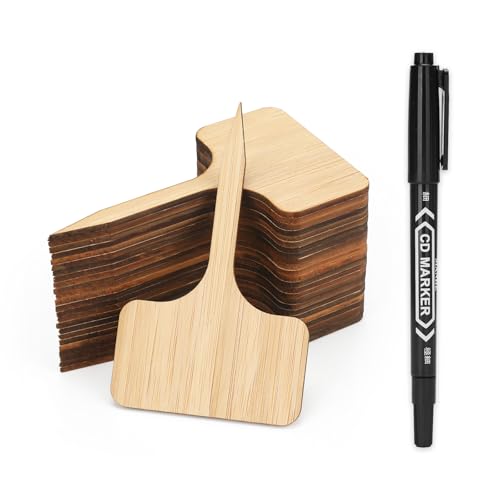
【Bamboo Plant Label Plant Tag Size】length:4 inch,width:2.36 inch,have enough writing space

RUSTIC METAL DESIGN: Crafted with a charming rusty patina finish, these decorative strawberry plant markers add a vintage, farmhouse-style touch to any garden.
Sustainable Elements

Composting in a school garden starts with the simplest pile of trimmings and leaves, left to break down through the fungus, bacteria, and invertebrates already present in the soil. That zero-cost setup teaches the cycle plainly enough, though a three-bin system keeps the process organized and lets students see decomposition at different stages. Old wood pallets set on concrete blocks work for both the bins and simple raised beds, but check any reclaimed material for stray hardware or toxic paints first. County improvement authorities sometimes donate compost bins to schools or sell them cheap, so that call is worth making before you build. Wattle edging, woven from pruned green branches, costs nothing if you have access to trees or shrubs in need of trimming. The time it takes is the tradeoff, and the result is uneven compared to store-bought borders, but students can help with the weaving and learn where materials actually come from. Vermicomposting, with worms, tends to hold kids’ attention longer than a static pile, and pairing it with clear signage about what goes in and what decomposers do turns the bin into a lesson that runs itself.
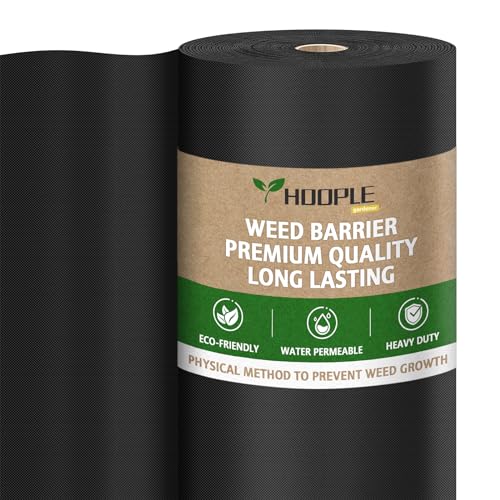
3ft x 300ft Large Coverage Roll: This 3ft x 300ft landscape fabric weed barrier provides wide coverage for garden beds, flower beds, walkways, gravel paths, mulch areas, greenhouses, and driveway base layers. The long ground cover roll is ideal for larger outdoor landscaping projects.

Multifunction: The felt mulch pathway is mainly used for landscaping and gardening, which can be used as a decorative addition to your outdoor garden and as a weed barrier to help you reduce yard work.

【High-quality Landscape Fabric】: Our weed barrier fabric heavy duty is woven from high-quality polypropylene material, featuring strong tensile strength and durability for long-term ground coverage.
Fencing for Safety and Focus

A fence around the school garden does more than mark where the beds end. For younger students, a visible boundary keeps the lesson inside the garden instead of drifting across the playground. I have watched a kindergarten class lose focus the moment a ball rolled past an open edge; the same group, inside a fenced rectangle, stayed with the planting task through the full twenty minutes.
The barrier works both ways. Rabbits and deer that would browse seedlings to stubs stay outside, and the fence reduces the casual damage that comes from foot traffic or after-hours visitors. Traditional wooden picket fencing handles this cleanly but runs costly. Chicken wire stretched between posts or wrapped around raised beds gives the same enclosure at a lower price point, though it reads more utility than welcome. Either way, the garden becomes a room rather than a corner, and classes treat it like one.

Each raised metal garden bed size: 4×2×1ft ,7.14Cu

Humanized Design: Our raised garden beds with their large volume design provide ample room for your plants to grow, allowing plants to spread freely. The 3ft raised design reduces bending and makes it easier to plant and tend to your plants, turning gardening into a pleasure rather than a chore.

Indoor Hydroponic Gardening Options

Not every school has the dirt, sun, or climate for an outdoor plot, and that is where hydroponics earns its place. A classroom-based system runs on grow lights and a water-based nutrient solution, growing herbs and vegetables without soil and without a single frost date to worry about. The setup folds neatly into the same STEM lessons an outdoor garden teaches: plant life cycles, nutrient requirements, and the biology students would otherwise observe in raised beds. What shifts is the control. Students adjust pH, measure electrical conductivity, and watch root systems develop in transparent reservoirs, which makes the science more visible, not less. Programs like HydroConnect have built accredited curricula around this, but a teacher can start smaller. A single counter-top unit in a corner of the room runs year-round, costs a fraction of a greenhouse, and keeps the garden program alive through winter or in buildings with no yard at all. The tradeoff is the equipment: pumps, timers, and the light bill. Maintenance is daily, not seasonal, and a power outage can kill a crop in hours. For schools with outdoor space, hydroponics works best as a bridge, something students carry back to the soil garden when spring returns. For schools without one, it is the whole garden, compressed into what a classroom can hold.

Accessible raised garden bed sticker adds a welcoming community gardening scene to a laptop, tablet case, or notebook, where its clear planting imagery supports everyday garden planning and sharing.
Accessible raised garden bed sticker adds a welcoming community gardening scene to a laptop, tablet case, or notebook, where its clear planting imagery supports everyday garden planning and sharing.
Accessible raised garden bed sticker adds a welcoming community gardening scene to a laptop, tablet case, or notebook, where its clear planting imagery supports everyday garden planning and sharing.
Themed Gardens

A Pizza Garden built around tomatoes, basil, and oregano gives students a story they can taste. The ingredients map straight onto something they already know, so the growing season becomes a countdown to a meal rather than an abstract lesson in photosynthesis. When I first saw this layout used in a school setting, what struck me was how the theme did the teaching; the teacher barely had to name the plant parts because the kids were already arguing over whether the basil was ready for sauce.
A Pollinator Paradise works the same way, though the payoff is ecological rather than edible. Native flowers and the insects they attract create a narrative thread students follow from bloom to butterfly, or from nectar to the fruit that forms only after a bee visits. The concrete story matters because young learners anchor abstract concepts to physical objects they have watched change over time.
Themes also solve a design problem that trips up a lot of school gardens: the blank-slate overwhelm. A bed without a defined purpose tends to sprawl and lose coherence by mid-season, which costs you the engagement you built in spring. Themed beds give each space a job description and a natural stopping point, so maintenance stays within weekend-reasonable bounds and the curriculum connection stays obvious to whoever inherits the garden next year.

Pollinator Seed Mix: This Blend Of Wildflower Seeds Will Attract Beautiful Hummingbirds And Butterflies To Your Outdoor Garden And Feed Them All Season Long; Blooms In Spring, Summer, And Fall Until Frost
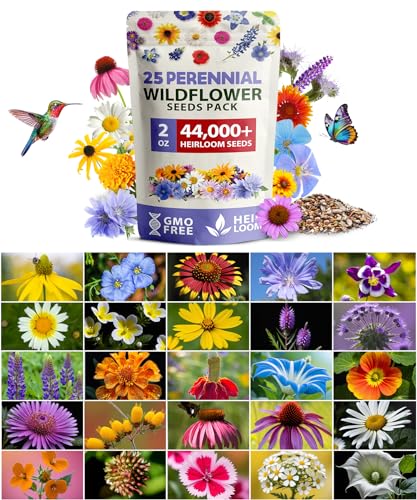
Pure Seed Quality: Two ounces of premium wildflower seeds with high germination rate; Covers 250 square feet with vibrant perennial wildflowers; Creates stunning butterfly garden with lasting blooms; Perfect for pollinator gardens

Garden Clubs for Student Engagement

A garden club with set roles and a written planting schedule keeps kids showing up after the novelty of a single class visit wears off. One student manages the compost rotation, another tracks rainfall, a third handles seed-starting dates. That structure turns occasional helpers into stakeholders who remember to water because their name is on the duty, not because a teacher reminded them.
Summer is where most school gardens go dormant or die. The clubs that survive it assign harvest duties to families on a two-week rotation, with a simple handoff sheet taped inside the shed door: what to pick, what to leave, who comes next. A coordinator, often a parent volunteer, holds the master calendar and texts reminders. The produce belongs to the families who tend it, not the school kitchen, which is the tradeoff that gets people through the door in July heat.
The planning stage matters as much as the tending. Students who sketch the bed layout in March, argue over whether to grow snap peas or carrots, and vote on the final design will police weeds in June that they would have walked past in a garden they only visited. That ownership is the return on the time spent letting them plan badly and revise.

What You Will Get: 24 pcs acrylic plant labels in 12 designs are included in the package, each design has 2 pcs, sufficient to meet your different needs for your garden

[LARGE PLANT LABELS SIZE] -This set includes 10 pcs rectangular natural slate plant labels 4inch/10cmx2.8inch/7 cm, paired with 15.8inch/40 cm stainless steel metal stakes and 2 soapstone chalk pencils. The practical size provides large writing space for marking plant names, varieties and planting dates

YOU WILL GET: 20 pcs acrylic plant label signs in 20 styles, each style 1 pc, providing ample variety for your garden
Garden Journals for Reflection

A garden journal turns a single season of digging into a running record that students can read back across years. The California Department of Education’s 1995 "A Garden in Every School" initiative built its case partly on this, noting that observing and recording strengthens the same skills measured in science and literacy standards. In practice, a third grader sketches a seedling and guesses its height; two years later, that same student measures with a ruler and records the date the first true leaves appeared. The earlier entry becomes the lesson.
Paper works better than apps for outdoor use. A simple composition notebook handles dirt, water stains, and the pressure of a pencil gripped by small hands. Weather notes matter more than students expect at first, and planting dates recorded in September explain why October’s identical seeds germinated faster. Drawing what they see slows observation down in a way phone cameras do not.
The journal’s real payoff arrives in reflection, not documentation. A weekly ten-minute pause to read back two months of entries lets students spot patterns they missed while weeding. That habit, started in a school garden, transfers to any long project where progress feels invisible day to day.

PROFESSIONAL HEAVY-DUTY CONSTRUCTION - Premium woven polypropylene fabric with superior tensile strength and UV resistance. Built to withstand harsh weather conditions and provide reliable ground coverage.

High Tensile Strength - This Poly Mulch Plastic Sheeting has a high tensile strength that prevents this product from ripping or tearing and will make sure that it keeps all soil in place.

【Premium Weed Barrier Fabric】Made of thick polypropylene woven fabric, heavy duty and durable, keeping your garden and flower beds free of weeds for a long time.
Community Involvement Initiatives

A school garden built by one overworked teacher and a box of half-price seedlings from Home Depot is a school garden that dies by July. What actually keeps the beds alive and the kids showing up is a web of people who each own a small piece of the work.
Parent volunteers are the steady engine. In my experience, the parents who sign up reliably are rarely the ones with horticulture degrees; they are the ones whose own grandmothers kept a plot, or who simply have Tuesday mornings free and do not mind mud on their sneakers. The expertise gap gets bridged by pairing them with local organizations. Native plant societies and master gardener programs often have members who will visit a classroom, identify what is actually native to your zip code, and help students understand why that matters for pollinators. College farm programs and botanical gardens sometimes have surplus plants or seedlings they will donate, particularly if you ask between October and January when they are clearing stock.
Business partnerships fill the holes in a budget that grants never fully cover. Hardware stores and garden centers will sometimes hand over out-of-season seed packets or vegetable starts they cannot sell. A local nursery might trade a morning of student labor, weeding and mulching, for a flat of perennials. The US Fish and Wildlife Service runs a Schoolyard Habitat Program that offers grant funding specifically for gardens designed as wildlife habitat, which can cover native plants, bird baths, or the fencing that keeps rabbits from eating your curriculum.
The mistake I have watched sink projects is treating partnerships as one-time transactions. A parent who shows up once and never hears from you again tells three other parents the garden is a closed club. A business that donates $200 in soil and gets no photo of kids planting in it, no handwritten thank-you from a fifth grader, will not answer your email next spring. The work is the follow-through: a short update in the school newsletter, a tagged social post, an invitation to the harvest day. That loop of recognition turns a single donation into a relationship that outlasts any one teacher’s tenure.
Garden Events for Awareness

A harvest festival turns the garden into something the whole neighborhood wants to attend. Students who spent months tending tomatoes and basil suddenly have a reason to talk about their work in public, which builds confidence faster than any classroom presentation. I have watched shy kids explain why their squash failed and what they would try next, and the honesty of that moment does more for the program than a hundred flyers.
Plant sales work the same way, but with money on the line. Students price seedlings, make change, and learn that a leggy tomato starts at a discount while a sturdy pepper commands full price. The cash goes back into seeds or tools, so the garden funds itself in plain sight.
Work days are less glamorous but draw the parents who would never come to a festival. A Saturday morning pulling bindweed or turning compost gives neighbors a stake in the space. Two work days a year is enough; more than that burns people out, and the same six families end up doing everything.
The real value is the planning. Students who map out the festival schedule or figure out how many seedlings to pot up are doing math and project management without the label. Let them run it, including the mistakes. A forgotten table or a rained-out sale teaches more than a perfect event ever could.
Renting Garden Space for Community Use

Empty school land during June through August is a maintenance headache and a missed opportunity. Some districts have started renting unused plots to community members for a small fee or free in exchange for upkeep. The arrangement keeps beds weeded, compost turned, and irrigation running while students are gone.
The income side is modest, enough to cover seeds or tools for fall. The real return is what comes back with the kids in September. A retired neighbor who tended tomatoes all summer can show fourth graders how she caged them. A renter who fought squash bugs in July has practical advice the science teacher might not.
Summer rentals also solve the intergenerational piece that school schedules make difficult. Students meet growers who are not parents or staff, people with time on weekday mornings and knowledge built over decades. The garden stays alive as a working space rather than closing up and needing restart each autumn.
Two structures seem to work: charge a nominal fee that feeds the garden budget, or trade the plot for committed maintenance hours. Either way, put the agreement in writing, specify which beds are open, and set clear dates for harvest and cleanup so classrooms reclaim the space on schedule.
Farmers Markets for Student Learning

A small student-run market turns the garden into a working classroom without adding a single worksheet. The tomatoes and basil the kids grew all season become inventory they have to price, which means weighing produce, comparing it to grocery store rates, and deciding whether to round to the dollar or charge by the ounce. That alone covers addition, division, and the practical side of decimals that a textbook rarely makes stick.
Making change under pressure is where the math gets real. A fourth grader who can subtract perfectly on paper will freeze the first time a parent hands over a twenty for a $3.50 bunch of carrots. The mental math sharpens fast, and the mistakes cost nothing worse than a moment of embarrassment. The booth runs smoother once students price everything in quarters or whole dollars, a trick that cuts the arithmetic in half and speeds the line.
Talking with customers forces a different skill set. Kids have to explain why the cucumbers are curved, or which lettuce handled the late heat best, or how the compost got started. The first few interactions are wooden, scripted. By the third market they relax into actual conversation, and the community sees the garden as something alive rather than a photo backdrop. The money raised, if the market charges at all, typically goes back into seeds or tools for the next year, which closes the loop and gives the kids a stake in keeping it going.
How Student Engagement Shapes the Design

The garden beds that survive the summer are almost never the ones adults designed alone. Students who sketch the layout before the first seed goes in build a sense of ownership that carries straight through to watering and weeding. I have watched this play out in enough project plans to know the difference: a bed assigned by teachers sits untended, while one a student mapped out gets checked on instinctively between classes.
Age-appropriate tasks matter more than the size of the plot. Younger kids handle seed spacing and harvest timing; older students manage soil testing and rotation plans. The work stays within reach, and the maintenance burden shrinks because the kids already know why the tomatoes sit where they do. When day-to-day care falls to staff or volunteers, that embedded knowledge prevents the garden from becoming a mystery to its own caretakers.
The tradeoff is time upfront. A single planning session with students adds a week to launch, and the questions they ask will reshape your layout. That is the point. A garden designed around what they noticed they needed, not what adults assumed, needs fewer repairs and fewer do-overs.
Plant Selection by Climate and Curriculum

Native plants turned out to be the easiest win once I stopped fighting my zip code. A pollinator bed of species already adapted to local rainfall and soil needs no coddling through summer break, and students watching monarch larvae strip milkweed leaves get a lesson in food chains that no worksheet matches. The trick is layering: overstory trees, understory shrubs, groundcover. That vertical structure draws birds and beneficial insects the flat annual bed never will.
Edibles pull a different crowd. Cherry tomatoes and bush beans go from seed to snack in a single semester, which matters when you are building buy-in with fourth graders who want to know why they are watering dirt. Herbs move faster still. A few parsley or basil starts by a portable butane stove, and you have a nutrition lesson that ends with tasting. The California garden-in-every-school model from 1995 still holds: grow it, cook it, eat it, and the math and science follow without forcing.
I match plants to the academic calendar, not the other way around. Cool-season crops start when teachers do, in late August or early September. Warm-season vegetables go in after spring break, timed for harvest before dismissal. No fixed schedule survives every district, but the flexibility keeps the garden from sitting empty during the weeks students are actually in the building.
Maintenance and Sustainability Practices

A school garden dies in July. Not from neglect, but from the assumption that someone will remember to water it. The teachers who built it leave for break, the parent volunteer moves, and by August the beds are baked clay. The fix is a system that runs without a champion.
Composting is the cheapest way to keep that system fed. A simple three-bin setup lets students layer greens from the cafeteria with browns from autumn cleanup, turning waste into soil the garden actually needs. The bin itself costs nothing if you build it from old pallets, the same way you would a recycled-material trellis. Rainwater barrels cut the hose bill and solve the who-pays-for-water conversation that kills some programs. One barrel per bed, filled from a downspout, gives a volunteer something to dip into even when the irrigation timer fails.
Signage helps the garden survive staff turnover. A weatherproof board explaining what composts and what does not, hung right on the bin, turns a new teacher or a sub into someone who can keep the pile alive without a training session. The same logic applies to a simple map taped inside the shed: which bed is which, what was planted when, whether the tomatoes are determinates that need staking or sprawlers that do not. Chicago’s school garden toolkit and Denver’s coalition manual both treat this kind of documentation as infrastructure, not afterthought, and they are right. A garden with no record of itself starts from zero every September.
Curriculum Integration Across Subjects

A school garden turns into a classroom the moment you hand a kid a ruler and ask them to track which sunflower hits six feet first. Science measurement lives right there in the dirt: soil pH strips, rain gauges, daily temperature logs. The numbers mean something because the plants live or wilt by them.
Math sneaks in through harvest weights and prices. A third grader weighing tomatoes on a kitchen scale and pricing them for a classroom market grasps decimals faster than any worksheet. The California Department of Education’s 1995 "A Garden in Every School" initiative explicitly folded math into garden learning this way, and it still holds up.
Art and writing fill the gaps between planting and picking. Students sketch leaf shapes for botany journals, paint garden signs, or design the layout for next season’s beds. Recipes from harvested produce become writing assignments with a built-in taste test at the end. The journal matters more than the grammar; a kid who records why the beans failed will write longer and think harder than one filling in a template.
Native plants add another layer. A pollinator garden ties to science, but the shapes and colors students document in it feed straight back into art lessons. The same bed serves both purposes without extra cost or space.
Health and Safety in the Garden Space

A school garden that runs smoothly depends on fencing that keeps students in and pests out. Traditional wooden picket fences do the job well but push the budget hard. Chicken wire costs far less and still creates a clear boundary around raised beds or containers, which is often enough for a classroom plot that does not face heavy vandalism risk.
Handwashing stations need to sit close enough that kids actually use them between digging and snack time. A simple setup with a foot-pump or lever dispenser keeps things sanitary without someone running inside every ten minutes.
Tool storage is where most garden programs slip. Rakes and trowels left out in the weather rust, and sharp items left loose are an incident report waiting to happen. A locked shed or bin, even a basic one, pays for itself the first season nothing walks off or injures a curious kindergartener.
Sun protection is non-negotiable in areas where lunch happens outside. A shade sail or repurposed tarp over the seating corner stretches a tight budget while keeping the space usable through May and August afternoons.
The goal is a space that stays open and active, not one that closes after a single call to the nurse’s office.
Frequently Asked Questions
What makes a school garden engaging?
Defined zones for different plant types, accessibility features like 3-foot raised beds and flat pathways, and hands-on roles for students all keep kids involved. Themed beds such as a Pizza Garden or Pollinator Paradise give each space a clear story that students can follow from planting to harvest. Garden clubs with set duties and written schedules turn occasional visitors into stakeholders who remember to water because their name is on the task.
How do you start a school garden?
Begin by asking why your team wants the garden, then let that purpose guide size and features. Check sunlight at different times and seasons, place beds where you get at least six hours of full sun, and keep water within 50 feet. Start small with beds no wider than 3 feet for elementary students or 4 feet for older kids, and build enclosure with gates or arbors so children feel inside a distinct space.
How can we involve the community in our school garden?
Parent volunteers handle steady work; pair them with local native plant societies or master gardener programs for expertise. Ask hardware stores and nurseries for donated seeds or plants, and apply for the US Fish and Wildlife Service Schoolyard Habitat Program grant for wildlife-focused gardens. Hold two work days per year, run harvest festivals or plant sales, and follow up with photos and thank-yous so donors see their impact and return the next season.