
An easy herb garden is a small collection of culinary herbs grown in pots or raised beds, chosen so that their care needs overlap enough that one person can keep them alive without a spreadsheet. The catch is that "easy" depends on matching the herb to your actual conditions: basil turns bitter and sparse without at least six hours of sun, while lemon balm keeps producing in a shady corner that would kill rosemary in a month. Start with a 12-inch pot of well-drained potting soil cut with compost, and you can have fresh basil by mid-May even if your only outdoor space is a fire escape.
Basil

Basil is the herb that made me stop buying the plastic clamshells at the grocery store. It is the least cold-tolerant herb most beginners try, so wait until mid-May to plant it outside, but you can start seeds indoors in early April if you want the satisfaction of growing your own from the beginning. I have also grabbed seedlings from a nursery when I was running behind, and those work just fine.
The growing conditions sit somewhere between forgiving and particular. Full sun to part sun keeps it happy, and well-drained soil matters, but basil wants more regular water than the Mediterranean herbs like rosemary or thyme that thrive on a little neglect. In a raised bed it pairs naturally with tomatoes and peppers because it likes the same moderately rich soil and consistent watering schedule. A 12-inch-deep pot is thought to be best outdoors, though it can survive in smaller containers.
Indoors, basil is more of a project. It will grow year-round inside, yet it usually needs a grow light to stay productive through winter. Without enough light it gets leggy fast, dropping its flavor along with its leaves. Treat it as an annual; sometimes it lasts into a second year, but planning for one season keeps expectations honest.

NOTE: The product stand needs to be pressed down by the flower pot to be stable. Not wireless style. 2 Installation Methods: Specially designed plant light for indoor plants, which can be inserted in the soil or stand for lighting.Unique and easy to assemble and disassemble.

SMALLER & STRONGER: SANSI LED pot clip plant light equipped with SANSI unique ceramic technology, provides more efficient power conversion. The indoor plant light provides 5W output power with 35.78 μmol/s/㎡ @6 inches growing power. Compared with the similar 10W plant light, the output power is saved by 50% and the plant growing effect increased by 25%. The LED grow light is suitable for various indoor potted plants, such as succulents, aloe vera, devil's Ivy, calibrachoa, African violet, etc.
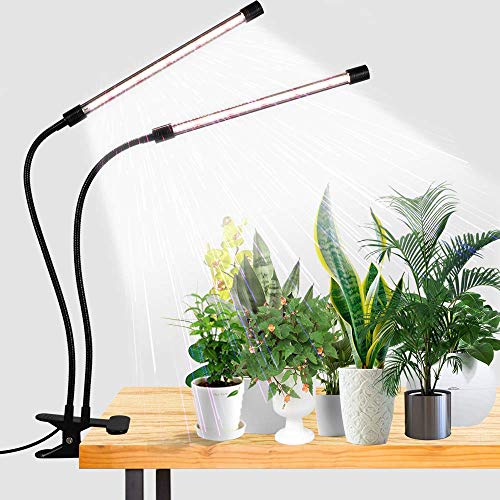
6000K White Light - equipped with 10 Red + 74 White LEDs, this growing Lamp is similar to the full-spectrum sunlight at noon,that is professionally designed for indoor garden plants.Moreover, its color rendering index is as high as 95, the light is soft and flicker-free, which is very suitable for reading lamp
Parsley

Parsley is a biennial, which means it runs on a two-year cycle instead of the single-season sprint most herbs follow. That longevity makes it one of the more forgiving starter plants in an easy herb garden, and the sheer volume of growing guides out there backs that up: more sources cover parsley than almost anything else on the windowsill.
The soil wants to stay rich and slightly damp, not the dry, lean mix that suits Mediterranean herbs. Full sun works, but partial shade keeps it happier through summer heat. Starting from seed takes patience; the germination is slow enough that soaking the seeds overnight speeds things up noticeably. Starter plants from a nursery cut that wait entirely, and for a renter working a weekend timeline, that trade is usually worth the few extra dollars.
An eight-inch pot handles a single plant comfortably, which matters when outdoor space is a fire escape or a borrowed corner of a stoop. The real trick is timing. Parsley prefers cooler weather, spring and fall rather than the peak of summer, and bringing it indoors through winter tends to end badly. Treat it as a seasonal resident, not a year-round houseplant, and swap to dried when the weather turns. Harvest by cutting single leaves or low bunches from the stem, and the plant keeps producing through its full run.

MOBILE GARDEN ON WHEELS — Two all-terrain wheels and an ergonomic handle let you roll a 200+ lb planted bed wherever sunlight goes. Move your garden across patio, balcony, or backyard in minutes.
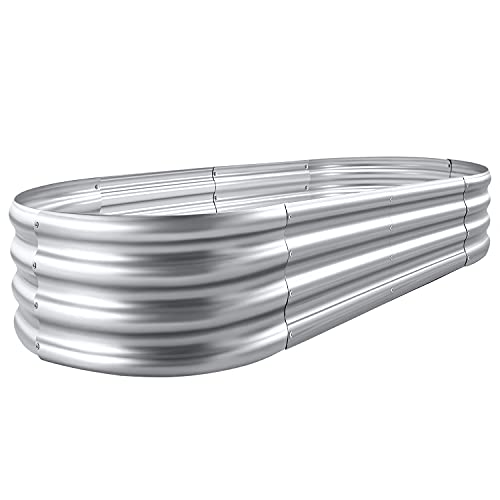
Each raised metal garden bed size: 4×2×1ft ,7.14Cu

Raised Garden Bed - Add a new level of convenience to your gardening experience with the Galvanized Raised Garden Bed. Enjoy expanded yield and a more assembled garden layout with this garden accessory, each sized at 120 cm X 60 cm x 30 cm.
Chives

Chives belong in full sun, though they tolerate a little shade, and the payoff is multiple harvests in a single season. Cut them straight across like wheatgrass and they come back again and again, which makes a small pot feel generous rather than skimpy. The only catch: once you trim a clump, that section is done, so stagger new seedlings if you want a steady supply rather than one flush in spring.
Burke’s advice on starting with a nursery plant is worth following here. Chives do not transplant well from seed, so a healthy starter skips the frustration and can last years.
"Hands down, easiest plant to grow in the whole garden… People even grow them indoors."
— Self
That indoor flexibility is why chives kept coming up when readers asked which herbs survive on a windowsill. A small pot on a sunny ledge, watered regularly, gives you fresh cuts through winter without the fuss of grow lights.

INDOOR GROWING: Growing indoors is easy under the right conditions; Miracle-Gro Houseplant Potting Mix is an indoor plant potting soil that combines key elements container plants need to thrive
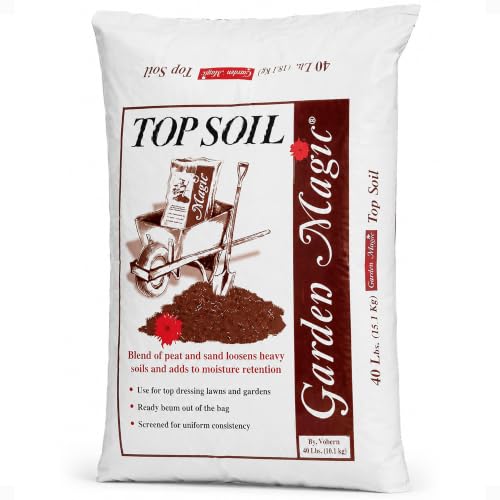
Ready-to-Use for All Planting Needs: This general-purpose potting soil is ready to use out of the bag, perfect for both indoor and outdoor planting without any extra prep

ALL-NATURAL MIX: Burpee Organic Premium Potting Mix is formulated with plant food & coconut coir to promote seed & root growth and healthy flower, vegetable & herb plants. OMRI Listed for organic use.
Mint

Mint spreads faster than most beginners expect, and that vigor is the first thing to plan for. The roots run horizontally and send up new shoots, so a patch started in open soil can take over a bed in a single season. A pot is the only reliable way to keep it in bounds; even a simple container on a patio will contain the root system and stop the takeover.
Watering habits need adjusting too. Mint wants damp soil at all times, not the slightly dry spells that suit thyme, sage, or rosemary. Letting mint dry out like drought-tolerant herbs is the mistake that kills it fastest. Stick a finger an inch or two into the soil and water when it shifts from moist toward dry, but never let it sit soggy. Thorough, less frequent watering beats light daily spritzes.
A young plant from a nursery starts producing usable leaves weeks sooner than seed, and you avoid the genetic lottery of seedlings that may not match the parent. Pinch off flower buds when they appear to keep the plant’s energy in leaf production rather than bloom.

COMPLETE HERB GARDEN VARIETY PACK – Grow a flavorful herb garden with 12 essential varieties including Anise, Slow Bolt Basil, Italian Large Leaf Basil, Common Chives, Slow Bolt Cilantro, Cumin, Bouquet Dill, Italian Oregano, Flat Leaf Parsley, Broad Leaf Sage, Summer Savory, and Winter Thyme. Perfect for fresh, aromatic harvests at home.

Pro Grow Lights with Advanced Chips: Equipped with 56 high-efficiency beads per tray, these LED strips simulate natural sunlight for optimal seedling growth. Adjustable brightness and timer functions let you customize lighting for every plant stage, promoting faster, healthier growth—perfect for herbs, flowers, and more

Pro Grow Lights with Advanced Chips: Equipped with 56 high-efficiency beads per tray, these LED strips simulate natural sunlight for optimal seedling growth. Adjustable brightness and timer functions let you customize lighting for every plant stage, promoting faster, healthier growth—perfect for herbs, flowers, and more
Oregano

Oregano is the most forgiving of the woody Mediterranean herbs, which makes it a solid anchor for an easy herb garden. A pot with at least a 12-inch diameter gives the roots enough room, and the plant will spread horizontally into a soft cascade if you let it. Full sun and well-drained soil are nonnegotiable, but once those conditions are met it rarely needs fertilizer. I cut mine back to 3–4 inches in early spring to force tender new growth; the older stems get woody and the flavor turns sharp. If you are keeping it in a container with thyme, rosemary, or sage, the watering schedule stays simple because all of them prefer the same dry edge between drinks. Pinch vertical tips when the plant hits about 10 cm tall to push bushier side shoots.
Thyme

Thyme is one of the herbs that actually prefers life on the dry side. The soil can slip toward semi-dry between waterings, and the plant stays happy. This makes it a natural fit for anyone who tends to overwater or who forgets a day or two. Well-drained soil matters more than rich soil; soggy roots will do more damage than a skipped watering.
I group mine with rosemary and oregano, and not just for the cooking convenience. All three share that same Mediterranean preference for drainage and sun, so they handle the same pot and the same watering rhythm without one of them sulking. Thyme also works as a companion plant tucked right beside rosemary or oregano in a shared container; the similar needs mean no one plant is stealing moisture the others can’t spare.
The woody stems pile up over time, with newer growth layering on top. Clip out the old woody stems early each spring to clear space for the fresh stuff. Left alone, the center gets crowded and the plant turns sparse where you want it fullest.
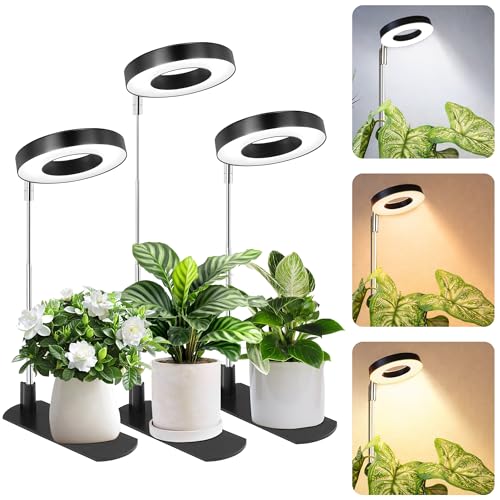
【Grow Lights for Indoor Plants】LBW grow light is tailored to meet the unique needs of plant lovers, this light offers 6/8/12/16H auto timer settings and 5 adjustable brightness levels for optimal growth. Its unique design, easy assembly, and space-saving base make it a perfect fit for any home decor, is perfect for various indoor plants, including succulents, herbs, and orchids etc. NOTE: The product stand needs to be pressed down by the flower pot to be stable

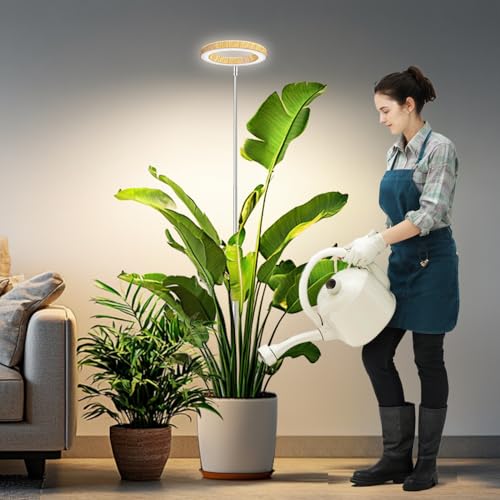
Elegant Faux Woodgrain Design: This tall grow light has a unique faux woodgrain design that complements any interior space. Compared with other plant lamps using bamboo materials, ours will not crack or fall off. Whether it’s used as a light for indoor plants or adding a stylish content to your home decor, this plant lamp is both practical and beautiful
Sage

Sage earns its place in the beginner lineup by being nearly impossible to kill through neglect. The plant is a woody perennial, technically a shrub, and it hates wet feet more than it hates drought. Give it full sun and soil that drains fast, and it will survive winters cold enough to test most renters’ container gardens.
I grow mine in a pot I can drag under cover when January gets brutal, which matches how a lot of us handle small-space gardening. Come spring, I snip out the dead wood and cut healthy branches above a node where new leaves are splitting. That same pinch works all season; taking two- to three-inch sprigs from the soft growth above leaf pairs forces the plant to split and bush out. The woody base stays put, the top keeps producing.
Harvesting is where the evergreen habit pays off. Leaves can come off anytime, though the flavor peaks before flowering. The classic culinary variety is Salvia officinalis, but the family runs bigger than most beginners realize: purple sage, pineapple sage, variegated types. Each carries a different look and a slightly different heat tolerance, though all share that same demand for sharp drainage.
In the kitchen, sage belongs to slow, fatty cooking. Brown butter with whole fried leaves is the move that converts skeptics. It stands up to roasting heat where tender herbs collapse, so it pairs with meats, mushrooms, onions, the heavy flavors of late autumn. Raw sage is a mistake; the texture is leathery and the oils need heat to mellow.


More suitable raised garden bed size and Volume:67"L x 20"W x10"H, 7 Cu. Ft. You can cultivate plants, like vegetables, flowers, herbs in your patio, yard, garden, and greenhouse.
Dill

Dill rewards impatience more than almost anything else in an herb garden. The seeds germinate in about a week, and within a month you have feathery fronds tall enough to snip. That speed matters when you are new to growing things and need proof that your thumb has any green in it at all.
I treat it as a fresh-only herb because the moment you dry those delicate leaves, the bright, almost citrusy anise flavor collapses into something closer to dusty hay. The same fronds that make a cucumber salad sing turn bitter and limp if you try to preserve them. Better to sow a small batch every three weeks through spring and summer so there is always something young and tender to cut.
The plants bolt fast once heat arrives, shooting up flower heads that attract swallowtail butterflies but end leaf production. I let a few go to seed anyway; the umbels dry beautifully for late-summer arrangements, and the seeds themselves carry a sharper, more caraway-like punch for pickling. For cooking, though, I pull the whole plant while it is still leafy and soft, roots and all, and start another round the same afternoon.
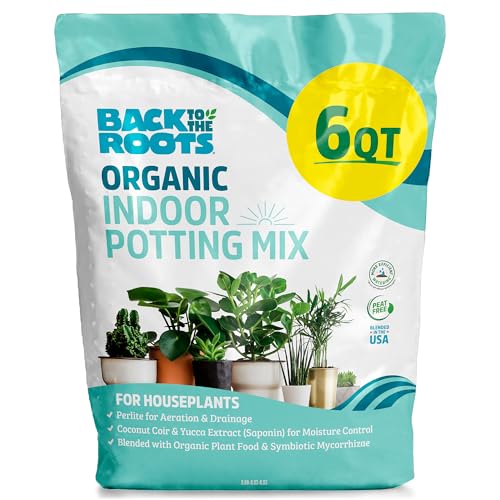
Includes 6qt of Back to the Roots Indoor Potting Mix. Our Potting Mix contains organic yucca extract that aids in retaining moisture in the soil which keeps your indoor plants happy and healthy
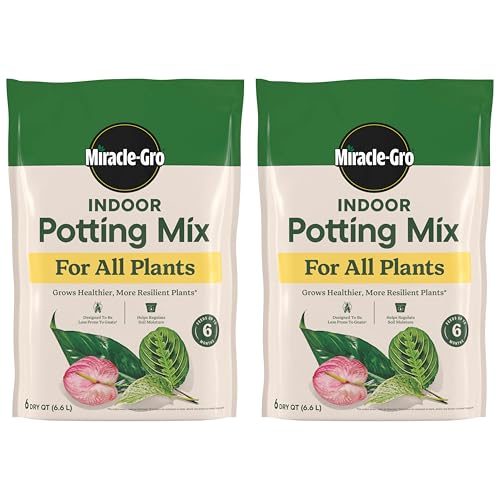
Miracle-Gro Indoor Potting Mix for All Plants feeds houseplants for up to 6 months and grows healthier, more resilient plants (vs unfed when used as directed)

INDOOR POTTING SOIL MADE FOR HOUSEPLANTS: A premium potting soil for indoor plants that replaces dense, generic potting mix and bagged dirt. This houseplant soil holds gentle moisture while letting roots breathe, so pothos, snake plant, peace lily, monstera and other house plants grow fuller and greener.
Rosemary

Rosemary needs full sun and soil that drains fast, making it one of the few herbs that actually prefers a pot with drainage holes over garden clay that stays wet. Beginners kill it with kindness more often than neglect; the leaves look dusty and the stems go limp when the roots sit in moisture, so waiting until the top inch of soil feels dry before watering saves more plants than any fertilizer. A south-facing window works indoors if it gets six hours of light, though growth slows in winter and the plant becomes more of a sculptural presence than a harvest. Outdoors, rosemary handles drought once established and bounces back from a missed weekend better than basil or mint ever would. The same woody structure that lets it survive dry spells also means it outgrows small containers faster than soft-stemmed herbs, so a twelve-inch pot minimum keeps repotting off the calendar for at least a season or two.

Seed starter: Before absorbing water and swelling, the thickness of the peat soil pellet is only 12MM, easy to store and carry. The seedling block is wrapped with a degradable mesh non-woven material, which is convenient for transportation and transplanting. When the seedlings are transplanted, they can be directly planted into the soil to improve the efficiency and success rate of transplanting

QUICK GERMINATION AND EASY TO GROW – Our basil seeds for planting are perfect for beginners, featuring a high germination rate in just 5-10 days. Plant these sweet basil seeds indoors or outdoors at 70-85°F and watch them thrive in both garden beds and containers. With fast-growing results, expect a harvestable basil plant in 60-90 days, adding fresh herbs to your kitchen effortlessly. Ideal for those looking to cultivate herb garden seeds with reliable, vigorous growth.

Beautiful - Large color packet of the popular culinary herb Parsley (Petroselinum crispum).Fun and easy herb with tasty and attractive leaves that add a gourmet touch to dishes as both garnish and flavoring. Leaves may also be dried. A wonderful gift for the gourmet cook. Minimum of 1g per packet (about 475 seeds).
Coriander

Coriander seeds need patience. They can take weeks to germinate, and the plants themselves are short-lived, so sowing fresh seed every couple of weeks keeps the leaves coming. That rhythm matters more than any single planting, because this herb bolts fast. Heat, dryness, or crowding sends it straight to flower and then seed, and once that switch flips the leaf flavor turns sharp and thin.
The naming trips people up. In the U.S., the fresh leaves are "cilantro" while the seeds are "coriander," but most beginner lists just say coriander and leave the reader guessing which part they are growing. If you want leaves for salsa, you are growing cilantro by any other name. Let it bolt and you get the spice coriander instead, still useful in the kitchen but a different ingredient entirely.
Keep the soil damp and the plants spaced, and harvest leaves often to slow the rush to seed. It is not the most forgiving starter herb, but the continuous-sowing habit fixes most of what goes wrong.
Fennel

Sweet fennel is the perennial to grow if you want foliage and seeds that taste like licorice, not the bulb-forming vegetable you see at the grocery store. I leave mine standing through winter and cut the old stalks down in early spring, though late fall works too if you harvest some dried seeds first and shake a few onto bare ground for next season. The plant sends up sprays of yellow flowers in early summer that draw pollinators, and swallowtail butterflies will treat it as a host plant for their caterpillars. Leaves get harvested in spring and fall as needed. Three sources back different pieces of this profile rather than one clear recommendation, which makes fennel slightly less of a universal pick than basil or chives. Still, the care is simple enough that a beginner with a sunny patch and a little patience will do fine.
Lemon Balm

Lemon balm fills a spot most herb guides skip: the shady corner of a balcony or that one windowsill that never gets direct sun. Where basil sulks and rosemary stalls out, this one keeps producing soft, citrus-scented leaves through the summer.
The catch is right there in its roots. Lemon balm belongs to the mint family, which means it spreads by runners and will take over a bed or a large planter if you let it. A dedicated pot, 8 inches or so, keeps the plant contained and movable, which matters more when you’re renting and may need to relocate the whole garden next year.
The leaves work fresh in tea or chopped into fruit salad, though the flavor is milder than the scent suggests. Harvest often from the top to keep the plant bushy rather than leggy. If it flowers, the taste turns bitter; shear it back hard and it rebounds in a few weeks.
For a weekend project on a tight budget, lemon balm is one of the forgiving choices. Shade tolerance, low water needs once established, and a container-friendly habit make it the herb you reach for when the easy spots are already taken.
Sweet Marjoram

Sweet marjoram sits in a quiet spot between familiar and overlooked. The leaves look almost like oregano, and the care is nearly identical: good drainage, plenty of sun, and soil that dries slightly between waterings. Where it differs is in the kitchen. The flavor is milder, sweeter, less of the sharp bite that can turn oregano bitter if you add it too early in a sauce.
That gentleness makes marjoram worth growing when you want an herb that forgives heavy-handed measuring. A tablespoon of fresh marjoram rarely overwhelms, where the same amount of oregano can take over a dish entirely. The plants stay compact too, rarely topping eight inches, which suits small containers on a windowsill or a narrow balcony rail.
The downside is availability. Most big-box garden centers stock oregano by the flat and skip marjoram entirely. You’ll likely need to start from seed or hunt down a specialty nursery, which adds a step that oregano avoids. For a beginner already feeling unsure, that extra search might not be worth the trade. Choose marjoram if you cook fish, eggs, or light tomato sauces weekly and want an herb built for those flavors without the edge.
French Tarragon

French tarragon is the one herb on this list that makes me pause before recommending it outright. True French tarragon, the kind with the clean, anise-like punch you want in a bearnaise or with roasted chicken, cannot be grown from seed. It propagates only from cuttings or root division, which immediately puts it outside the grab-a-pack-at-the-garden-center workflow that defines an easy herb garden.
The Russian tarragon sold as seed looks similar in leaf but tastes like damp grass by comparison. I have made the mistake of ordering seed online, nurturing it for weeks, and only realizing my error when the first leaf went into my mouth. That is a season lost, and for a weekend gardener, that stings.
If you do find a nursery start labeled Artemisia dracunculus ‘Sativa’, treat it as a cool-season annual or a tender perennial you will bring inside. It wants excellent drainage, resents wet feet more than most Mediterranean herbs, and sulks in heat above 85°F. In a humid summer climate, it often rots before August.
For someone on their first herb run, I would skip it. Master basil, rosemary, and thyme first. Come back to tarragon once you have a sunny windowsill free in fall and a reliable specialty nursery within driving distance. The flavor reward is real, but the path there is not the beginner-friendly promise this list otherwise keeps.
Sunlight and Soil

Four to six hours of sunlight is the floor for most culinary herbs, though seven or eight hours sits closer to the sweet spot. My first attempt failed partly because I trusted a spot that got dappled light for maybe three hours and called it done. The basil never thickened, the parsley stayed pale, and I spent weeks blaming the seedlings before I moved the pots.
Well-drained soil matters just as much as the light. Herbs in containers want basic potting soil cut with aged compost or worm castings, and anything planted in the ground needs drainage that actually drains. Clay soil will choke roots fast unless you work in compost and horticultural sand. The raised beds I eventually switched to needed almost no amendment; the existing vegetable soil was already loose enough.
In hotter zones, partial shade becomes your friend. Tender herbs like basil, parsley, and cilantro filter their light through the hottest afternoon hours without suffering for it. A spot that gets morning sun and eastern exposure, then slips into shade by two or three, grew the fullest cilantro I’ve managed.
Watering Without Drowning

The top inch of soil should feel dry before you water again. Stick your finger in that far, particularly in containers, and wait until the texture shifts from damp to mostly dry. Overwatering kills more herbs than underwatering, so I lean toward giving less until the leaves actually droop.
Moisture needs split into two camps. Basil and mint want steady dampness, never soggy but never fully dried out. Rosemary, thyme, and sage come from the Mediterranean and tolerate, even prefer, soil that dries between drinks. Parsley sits somewhere in the middle.
Frequency depends on your pot size, your window, and the season, so ignore any schedule that promises "every Tuesday." The better habit is a thorough soak when you do water, letting excess drain out, rather than frequent small sips that keep roots shallow and prone to rot.
Container Setup

Clay soil in my last rental convinced me that containers are the real shortcut to an easy herb garden. A pot of basic potting soil amended with aged compost or worm castings gives you control over drainage from day one, instead of fighting whatever heavy, wet mess the yard came with. Mint needs its own container, no exceptions. The roots run underground and will choke anything in reach, so a solo pot is the only way to keep it from becoming a problem you dig out for years.
Mediterranean herbs share a pot happily if you group them right. Rosemary, thyme, oregano, and sage all want the same quick-draining soil and less frequent water, so one larger container beats four small ones that dry out unevenly. Basil is the outlier here; it likes richer, moister soil and does better near your vegetables or in its own space. Perennial herbs in containers appreciate occasional feeding, but these four are not heavy feeders and will forgive you if you forget.
Indoor Windowsills

A south-facing window with at least six hours of direct sun separates the herbs that merely survive indoors from the ones you actually use. Basil, chives, and parsley are the three from this list worth the windowsill space, though each demands something slightly different.
Basil will grow inside year-round, but it sulks without enough light. I would not attempt it in a window that gets only morning or late-day sun; a small grow light hanging twelve to eighteen inches above the pot changes the outcome completely. A twelve-inch-deep container gives the roots room, though smaller pots work if you stay on top of watering.
Parsley is trickier indoors than its reputation suggests. It prefers cool weather and goes bitter and limp when summer heat builds against the glass. The eight-inch pot that works fine outside becomes an oven in August if that windowsill traps afternoon sun. My judgment: start parsley inside in early spring, move it out before true summer, and rely on dried through the worst heat rather than fight a grumpy plant.
Chives are the forgiving choice. They die back and overwinter underground naturally, so a cool windowsill that would slow basil entirely suits them fine. Rich, moist soil matters more than perfect light; let the top inch dry and they forgive you. The pink or purple globe flowers are edible in a salad if you let a few stems go, though snipping regularly keeps the leaves coming.
Harvesting to Keep Growth Going

The morning matters more than most beginners realize. Harvest herbs after dew dries but before midday heat, when the oils that give leaves their flavor sit at their peak concentration. A pair of sharp kitchen shears beats tearing with your fingers; clean cuts heal faster and leave less entry point for disease.
Snip just above a leaf node, the point where a leaf meets the stem. That cut signals the plant to push new growth from the node below, so each harvest makes the plant bushier rather than thinner. Basil and sage both split into two stems after a proper pinch, turning a leggy seedling into a full mound. On sage, stick to the soft herbaceous growth at the tips and leave the woody base alone; those tender 2- to 3-inch sprigs regenerate in days, while hacking into old wood stalls the plant for weeks.
The one-third rule keeps an easy herb garden from becoming a rescue project. Taking more than a third of any plant at once shocks the root system and slows recovery to a crawl. Regular light harvests, once a week through the growing season, actually stimulate faster growth than letting the plant bulk up untouched. If basil starts pushing flower buds, those get the same pinch treatment: the plant pours energy into leaves instead of seed production, and the flowers work as a garnish anyway.
Frequently Asked Questions
Can I grow herbs indoors?
Yes, basil, chives, and parsley are the three herbs from this list worth the windowsill space. Basil needs at least six hours of direct sun and usually requires a grow light to stay productive through winter. Chives are the most forgiving indoor choice and will grow on a sunny ledge without extra lighting. Parsley can start inside in early spring but tends to go bitter when summer heat builds against the glass.
How much sunlight do herbs need?
Four to six hours of sunlight is the minimum for most culinary herbs, though seven or eight hours sits closer to the ideal. Tender herbs like basil, parsley, and cilantro benefit from partial shade in hotter zones, especially during the hottest afternoon hours. A south-facing window with at least six hours of direct sun separates herbs that merely survive indoors from the ones you actually use.
How often should I water herbs?
Water when the top inch of soil feels dry; stick your finger in that far and wait until the texture shifts from damp to mostly dry. Overwatering kills more herbs than underwatering, so lean toward giving less until the leaves actually droop. Basil and mint want steady dampness, while rosemary, thyme, and sage prefer soil that dries between drinks.
Which herbs grow well together in one pot?
Rosemary, thyme, oregano, and sage share a pot happily because all four want the same quick-draining soil and less frequent water. One larger container beats four small ones that dry out unevenly. Basil is the outlier; it likes richer, moister soil and does better in its own space or near vegetables. Mint always needs its own container, no exceptions, because its roots will choke anything in reach.
How do I harvest herbs properly?
Cut herbs just above a leaf pair or node to encourage the plant to split and bush out. Never remove more than one-third of the plant at one time. With chives, cut straight across like wheatgrass and the clump will come back again, though stagger new seedlings if you want a steady supply rather than one flush in spring. For woody herbs like thyme, clip out old stems early each spring to clear space for fresh growth.