
A garden sign can cost twelve dollars in scrap wood or a hundred and fifty for custom work, and the only thing that decides which end you land on is whether you already own a wood-burning tool and a free Saturday. The sign that convinced me, reading through dozens of builds, was a simple reclaimed board stenciled with "Everybirdy Welcome": a pun that costs nothing extra but signals a garden that does not take itself too seriously.
1. Welcome Signs

A "Welcome to My Garden" sign is the first thing most people picture when they think of garden sign ideas, and the classic version is also the easiest to build without drilling into anything you don’t own. Reclaimed wood, a basic stencil, and a spray sealant are enough to get a piece that holds up past one season.
Renters have two paths here. One is a freestanding sign with two flat legs glued to the back of a 1- or 2-foot board, which stakes into a planter bed or large pot and moves with you. The other leans against a fence or wall, using weight rather than hardware to stay put. Either way, the build stays portable and the landlord stays happy.
The wording can swap in a name or a nickname, which is where the style gets personal. What convinced me, reading through a dozen of these builds, is how much mileage a small joke adds without extra work. "Everybirdy Welcome" is the example that stuck with me; the pun costs nothing to stencil, but it signals the garden as a place that doesn’t take itself too seriously.
Distressing the wood before painting helps hide the fact that your reclaimed boards didn’t start out perfect. A UV-resistant clear coat spray at the end is the step people skip, then regret by August when the letters fade to brown. Stencil brushes beat markers for keeping paint from bleeding under the edges, and a thin layer of Mod Podge underneath the paint tightens that seal further. The whole project runs a weekend, start to finish, and the materials run well under what you’d spend on a single prefab sign.

Exquisite Design: This Garden Sign features the theme "WELCOME TO OUR GARDEN", with a green plaid pattern, colorful flowers and butterflies. The charming rural style creates a warm and friendly atmosphere

Greet visitors with a friendly Welcome sign
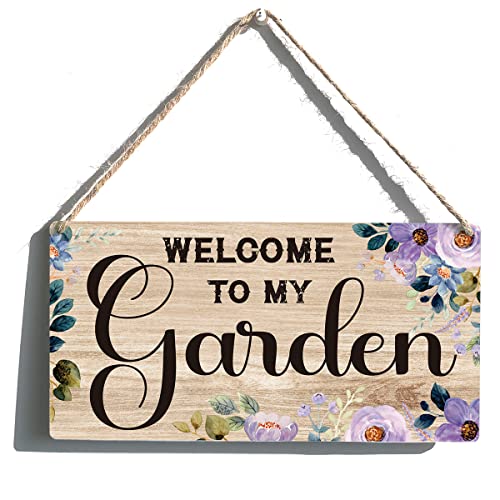
Sign Size:Measures approximately 6"x12".
2. Funny Garden Signs

The first funny garden sign I made said "Gardening is Cheaper Than Therapy," which it isn’t, not once you count the soil, the compost, and the therapy you still need when the squash vine borers hit. Humor in a small garden works because the joke has to travel about six feet, not sixty: a pun that would look desperate on a billboard, like "Loam Wasn’t Built in a Day," gets an actual smile when someone’s crouched by your tomato cages. Interior paint on an exterior sign is the mistake that turns your hand-lettered joke into a crackled, peeling regret within one humid season. I learned that with a "Trespassers Will Be Composted" sign that looked menacing for exactly eleven days. Acrylic exterior paint, rated for siding or trim, holds the color and the punchline. For lettering, a one-inch flat brush and a light pencil draft keep the words straight without fussing over perfection; a little wobble in "Free Weeds, U-Pick" sells the chaos. Smaller signs run lighter on both cost and wind resistance, which matters when your "Plant Whisperer" sign starts whispering to the neighbor’s yard instead.

Ideal for use on interior/exterior surfaces including wood, plastic, plaster, metal, masonry and unglazed ceramic

Ideal for use on interior/exterior surfaces including wood, plastic, plaster, metal, masonry and unglazed ceramic

Ideal for use on interior/exterior surfaces including wood, plastic, plaster, metal, masonry and unglazed ceramic
3. Personalized Name Signs

A dark walnut plank with white outdoor enamel spelling out a family name hits the sweet spot between rustic and refined, and the materials list is short enough to fit in a sedan: one 6×24 board, stain, stencil, two short 2×2 stakes, screws, and a can of polyurethane to seal it. That route runs about $80 to $150 if you commission it through an Etsy seller or custom sign maker, which makes sense when you do not own the tools or the free Saturday.
The budget play is a $12 wood burning tool and whatever scrap wood is already in the garage. Pyrography takes practice, so burning a few test lines on cast-offs before touching the final board saves the project. Once the hand steadies, pencil the name first, then trace with the hot tip for lines that stay crisp through years of weather.
Renters have a harder choice. A staked sign lifts out in ten minutes when the lease ends, which makes the family name or a garden nickname feel less like a fixture left behind. Nailing anything to a fence post is a deposit risk, so the stake format wins for anyone measuring their stay in months, not decades.


Protects against harmful UV light rays

HIGH GLOSS FINISH: Achieve a stunning, professional-grade high gloss finish with Hycote Clear Lacquer Spray Paint. Perfect as a top coat over paint jobs for a sleek, polished look.
4. Inspirational Quote Signs

Motivational garden signs hit a different note than the joke plaques everyone notices first. Phrases like "Bloom where you are planted" or "Grow through what you go through" sit quietly near a bench or a morning coffee spot and tend to draw people in for a second look rather than a quick laugh. Spiritual versions work the same way: "Faith grows here" reads as personal without requiring anyone else’s sense of humor to land.
The practical side is where these signs often fail in the making. Cursive scripts look romantic up close and turn to illegible spaghetti from five feet away, which is roughly where someone pausing on a path will first try to read yours. Block fonts or clean serif faces hold up at garden distance. Weather-resistant finishes matter here more than on funny signs, because the earnest ones feel worse when they fade to gray ghost letters. A good exterior polyurethane or marine-grade sealant keeps the message intact through the seasons that test it.


VIBRANT ACRYLIC PAINT SET: Bring your ideas to life with 18 rich colors in large 100ml bottles and 10 bonus brushes. These highly pigmented acrylic paints offer smooth coverage, vibrant color and excellent blending for canvas painting, crafts and DIY projects.

WEATHERPROOF DURABILITY: Specially formulated with advanced scuff-resistant technology, ABEIER outdoor acrylic paint offers superior water resistance and UV protection. Your artwork remains vibrant and intact, resisting fading, peeling, or cracking even under harsh sunlight or heavy rain. No more worrying about your garden decor losing its luster after a storm.
5. Plant Markers and Herb Labels

Small signs for individual plants solve a real problem by July, when every tomato looks the same and the plastic tags that came with the seedlings have faded to illegible or snapped off entirely. Painted stones work well for herbs in pots or raised beds: smooth river stones take outdoor paint easily, and the weight keeps them from wandering. The downside is that flat stones sit low enough to vanish under foliage, so they suit thyme or basil better than sprawling squash.
Wooden stakes are easier to spot. Two-by-ten-inch rectangles on one-by-two stakes give enough room for variety names, not just "tomato." Stencils help if your freehand lettering drifts, and a stencil brush with regular paint bleeds less than paint markers pressed through cutouts. Either way, sealing matters more than the material. A UV-resistant clear coat spray over the finished sign keeps the lettering readable through August heat; skipping it means rewriting labels mid-season. For a harder-wearing look, birch plywood takes wood-burning or laser etching well, with matte polyurethane over the top to lock out moisture. The burned surface never fades, though it costs more time upfront than paint.

GARDEN HUMOR WITH VINTAGE STYLE: Add a playful touch to your garden with the "Hoeing Ain't Easy" slogan, a retro garden lady and colorful flowers. This metal garden sign brings cheeky gardening humor to a favorite planting space or potting corner.

𝑼𝒏𝒊𝒒𝒖𝒆 𝑮𝒂𝒓𝒅𝒆𝒏𝒊𝒏𝒈 𝑮𝒊𝒇𝒕 This humorous metal sign is a unique garden accessory that will bring a touch of laughter to any outdoor space. Perfect for the gardening enthusiast in your life who appreciates a good joke.

Whimsical & Vintage Design Combination – This sign merges the fun of Funny Skull Garden Metal Signs with the classic appeal of a Vintage Skull Poster, creating a unique Gardening Sign that adds character to any garden corner.
6. Seasonal Garden Signs

A single "Welcome Fall" sign pulled out every September sounds small, but storage becomes the real project when you rotate it against three other seasonal boards. The hooks matter more than the sign itself: a screw eye on the back rail of a piece lets the whole thing lift off in one motion, versus a stake you have to wrestle out of packed soil twice a year. For renters, that rail lives in a balcony planter or a weighted post rather than the lawn.
Pallets and leftover trim from other jobs make the lightest seasonal sets, which matters when the off-season home is a closet shelf or the gap above a refrigerator. A sign built from reclaimed wood and a hand-cut stencil weighs maybe a pound and a half, easy to tuck into a gallon tote with the holiday lights. I keep mine in a shallow under-bed box; the painted face gets a sheet of newsprint so the colors do not scuff across each other.
The phrase itself can stay generic or go specific. "Spring Has Sprung" reads cute in April and tired by May; "Winter Resting Garden" actually looks intentional against bare mulch. A chalkboard strip across the bottom lets you pencil in the year or a joke, so the same board earns its spot through four rotations without feeling like a storage burden you resent.

OUTDOOR YARD SIGN-Measures9.1*12.2 in . Premium metal with metal chain routed for hanging on wall, tree or anywhere. The flexibility allows you to use in a variety of settings.

Stylish Farmhouse Décor: If you love the rustic look that farmhouse style decor adds to a cozy house, this welcome porch sign is just the right accent for you! Perfectly built with a vintage aesthetic, these porch signs are sure to please your guests.

Charming Welcome Addition - Elevate your curb appeal with this elegant metal sign, featuring the heartfelt "Welcome to Our Garden" message. Instantly creates a warm and inviting atmosphere for your guests
7. Directional Signs

Directional signs earn their keep in gardens with separate zones, where an arrow pointing toward herbs, flowers, or a compost bin keeps visitors from wandering in circles. Reclaimed wood works well for the base; old cedar fence pickets or pallet boards both take paint and survive seasons if you seal them right. A UV-resistant clear coat spray is the step most people skip, and it costs them a year of fading.
The mosaic garden arrow builds on the same shape but changes the material entirely. A 10-by-4-inch wooden arrow gets covered in tile adhesive, then pressed with stained glass or ceramic shards in turquoise, coral, yellow. Grout in white or light gray, wipe clean once set, and the thing weighs enough that heavy-duty hanging hardware is not optional. Jute cord looks right but will not hold it.
In a small yard, the joke is pointing the arrow nowhere at all, or at a single potted tomato. The humor lands because the form promises utility and delivers whimsy instead. Either way, weather-resistant finishes matter: Mod Podge under stencils cuts bleed-through, and that clear coat spray goes on last, even over store-bought pieces.

PROTECT WOOD SURFACES – Minwax Polyurethane Wood Finish Aerosol spray protects interior projects, including woodwork, furniture, floors and cabinets. Clear top coat is one of the most durable coatings for wood protection against scratches, spills & more.

Ideal for use on interior/exterior surfaces including wood, plastic, plaster, metal, masonry and unglazed ceramic

PROTECT WOOD SURFACES – Minwax Polyurethane Wood Finish Aerosol spray protects interior projects, including woodwork, furniture, floors and cabinets. Clear top coat is one of the most durable coatings for wood protection against scratches, spills & more.
8. DIY Chalkboard Signs

Chalkboard paint on a flat piece of wood gives you a surface you can rewrite all season, which is what makes this one of the more practical garden sign ideas for renters and anyone whose planting plan shifts from year to year. The trick I watched fail in a neighbor’s yard, and then in my own reading, comes down to chalk markers versus real chalk. Actual chalk crumbles the second morning dew hits it, and humidity turns the whole message into a smeared gray streak. Chalk markers, the liquid ink kind, survive a light rain and wipe clean with a damp cloth when you want the blank slate back.
The sources split on whether to seal. A UV protectant sprayed over the whole thing, chalk marker or not, locks the wording in place and shields the paint from sun damage, but that permanence defeats the point of a rewriteable board. One approach is to seal only the wood frame and the back, leaving the chalk face bare so seasonal messages still wash away. If you want the board to last as a rotating label for seedlings or a welcome note for guests, skip any topcoat on the writing surface itself and plan to refresh the paint every couple of seasons instead.

PREMIUM CLEAR FINISH: Professional-grade polyurethane automotive spray paint designed for automotive refinishing and new paint jobs — delivers long-lasting protection and deep gloss for cars, motorcycles, and custom projects.

Krylon COLORmaxx GLOSS CRYSTAL CLEAR

NON-YELLOWING FINISH SPRAY PAINT – Krylon COLORmaxx Acrylic Clear Spray Paint provides premium adhesion, durability and a non-yellowing, flat finish. It can be used on wood, metal, wicker, most plastics, glass, plaster/ceramic, fabric, paper and more.
9. Rustic Wooden Signs

Reclaimed barn wood or pallet boards carry a history that new lumber can’t fake, and that gap between genuinely aged and forced-rustic is where most DIY signs fall flat. The real pieces have nail holes, uneven grain, and a grayness that comes from years of sun, not from a vinegar-and-steel-wool bath. I learned to spot the difference by looking at the back: weathered on both sides means old, weathered only on the front means staged.
A wood-burning tool, the kind sold for pyrography, fixes the second problem. Burned letters sink into the grain and catch dirt the way carved stone does, so they read as permanent even on fresh cedar. Practice on scrap first. Trace your design in pencil, then run the tip slow enough to darken without charring through soft spots.
The finish matters more than the wood. UV-resistant clear coat spray is the step most people skip, and it is the one that keeps a sign readable past the first summer. Big-box stores carry it near the spray sealants. Hit the face, the edges, and especially the end grain where water wicks in. Two light coats beats one heavy one; thick spray pools and turns milky in direct sun.
Forced-rustic usually shows up in the lettering too perfect, the distressing too symmetrical. Let the board stay a little rough. A crooked "Welcome to Our Garden" burned freehand beats a stenciled version that looks printed.
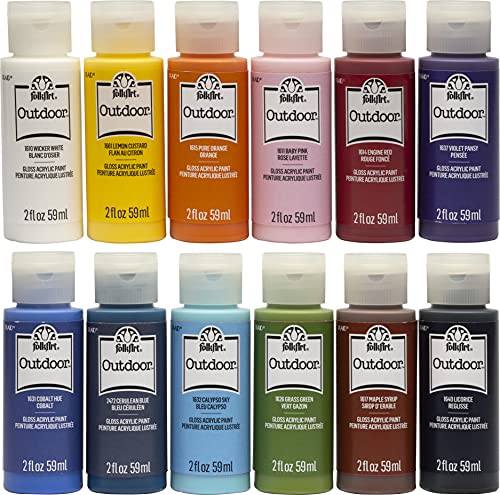
CONVENIENT SIZE - This outdoor acrylic paint set includes 12 - 2 oz bottles of outdoor craft paint. The colors in this paint set include: FolkArt Wicker White, Lemon Custard, Baby Pink, Pure Orange, Engine Red, Violet Pansy, Grass Green, Calypso Sky, Cobalt Hue, Cerulean Blue, Maple Syrup, and Licorice

CONVENIENT SIZE - This Apple Barrel Acrylic Paint comes in a versatile 2 oz size that is great for basecoating, stenciling, and so much more
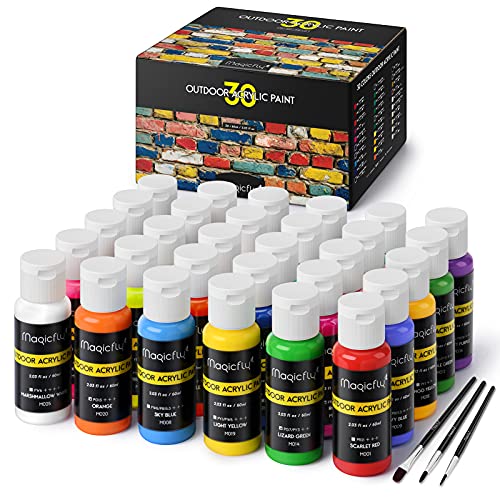
【Fantastic Outdoor Acrylic Paint Set】Package includes 30 Colors/Tubes (60ml, 2oz/each) and 3 brushes, well package by colored box. More colors for your free creation! Ideal gift choice for art enthusiasts, painters, students, etc.
10. Vintage-Style Signs

The vintage look that reads on a garden sign has almost nothing to do with weathered wood and everything to do with color palette and graphic style: cream or chalky white grounds, black or deep red lettering, and the crisp border lines of old enamelware or seed-packet advertising. One approach cuts an oval roughly 8 by 14 inches from MDF or thin metal sheet, paints it white, then adds raised lettering in black outdoor enamel. Wood or resin letters glued on before the final paint coat give that slight dimension you see on retro park signs, and a clear sealer over everything keeps the finish from going chalky in sun.
Metal cutouts offer a different route. Powder-coated steel shaped into flowers, butterflies, or silhouettes with ornate scrollwork at the edges reads vintage without trying to look handmade. The finish is too even for rustic, which is exactly the point: this style borrows from factory-made charm, not barn salvage.
Fabric flags fit here too, printed with antique-style typography or reproduced seed-catalog art. The key is the imagery source. Copyright-free seed packets, USDA bulletins from before 1929, and vintage travel posters released by federal agencies all scan cleanly and print well on outdoor canvas. Sites like the Library of Congress digital collections or raw scan archives host thousands of usable graphics; the trick is picking ones with strong contrast so lettering stays readable from a walkway, not just up close.

8x12 Inch Size & Easy Installation:Made of lightweight aluminum with rounded corners and 4 pre-drilled holes for easy hanging on walls, fences, doors, posts, or garden areas.

Humorous & Heartfelt Design:Features the witty quote “I DIG DIRT BECAUSE IT'S CHEAPER THAN THERAPY” – a playful celebration of gardening as therapy! Vintage finish with vibrant, lasting colors.

𝑼𝒏𝒊𝒒𝒖𝒆 𝑮𝒂𝒓𝒅𝒆𝒏𝒊𝒏𝒈 𝑮𝒊𝒇𝒕 This humorous metal sign is a unique garden accessory that will bring a touch of laughter to any outdoor space. Perfect for the gardening enthusiast in your life who appreciates a good joke.
11. Memorial Signs

A memorial sign sits on a different shelf than the rest of the garden. Replacement feels like forgetting, so weather-resistant finishes and material longevity matter more here than anywhere else.
Pet memorials sit beside human ones in this category, and both carry the same weight. Stone, cast metal, or marine-grade acrylic outlast soft woods or standard paint, which crack and gray within a season or two. The extra cost of a powder-coated bracket or UV-stabilized resin pays for itself in permanence.
I learned this the hard way with a painted pine marker that cupped and split before the first anniversary. Now I look for materials rated for exterior use without qualifiers: not "weather-resistant when properly maintained," but built for rain and sun unchallenged. A bronze plaque on a stone base, or a solid aluminum casting with a baked enamel finish, will outlast the decade without touch-ups.
The emotional load of getting it right the first time means spending the weekend on installation, not design. Level the base, bed it in gravel for drainage, and seal any mounting holes with silicone. Once it stands straight, you should not need to touch it again.
12. Kids’ Garden Signs

Small hands make garden signs that actually last if you let the materials do the heavy lifting. Painted stones work better than you’d think: a flat river rock takes acrylic well and sits too low for most soccer balls to find. Wood shapes cut from basswood sheets, maybe six by eighteen inches for a slat board, give kids a surface they can press a handprint onto. Outdoor acrylic holds the color, and a stencil for the lettering keeps the text readable even when the brushwork wanders.
The real problem is the clear coat. Kids want to see their work right now, but skipping the UV-resistant spray means Grandma’s garden sign fades to a washed-out memory by August. Two thin passes, not one thick one, keeps the handprints from running.
Wooden spoons and icy pole sticks make faster markers for identifying seeds, though they lean toward the temporary. A flat stick glued to the back of a basswood label pushes into dirt more securely than you’d expect from something an eight-year-old assembled. Stencils and a stencil brush beat freehand for names, since paint bleed is the first thing that makes a child-made sign look like a mess instead of a keepsake.
13. Scarecrow Signs

A scarecrow sign does two jobs at once: it greets visitors and keeps birds off the lettuce. The trick is getting it to stand without guy wires tripping you at every harvest.
The build starts with a 2×2 post driven 18 inches into the ground for the body, topped with a 6×6 block for the head. Paint the face with acrylic craft paint, glue on raffia for hair, and add a mini scrap-wood sign with your message. A black painted scrap-wood hat finishes the look. Seal everything with varnish or wood sealant so humidity does not split the grain by mid-October.
Wind is what kills these projects. A single post wobbles; two posts in an A-frame, or a 2×2 with a short cross-piece at the base buried like a T, stays put without wires. The raffia itself catches breeze, so keep the sign small and mount it low on the chest rather than high where it acts like a sail.
For something flatter, a long stake with a smaller wooden hat and face painted directly on the post works in tighter beds. Both versions use the same scrap-wood logic; the only real cost is time and a Saturday morning.
14. Mosaic Signs

Mosaic signs read as handmade in a way paint alone rarely does, but the sources skip over the part that actually determines whether yours survives a winter. Tile adhesive and grout are straightforward until freeze-thaw cycles hit; water seeps into the tiniest gap, expands, and pops glass clean off the backing. The instructions mention a 10-by-4 inch wooden arrow base, stained glass or ceramic in turquoise, coral, and yellow, white or light gray grout, and bold black vinyl for the lettering. What they do not mention is sealing the edges where grout meets wood.
That gap matters. I learned it the hard way with an unsealed edge on a small trial piece; one February and the border tiles lifted like a peel. The weight is another factor these signs share: glass plus grout plus wood is heavy, so the hanging hardware needs to match. Jute cord works for light wind chimes; for this, plan on something stronger. Two ways to approach the finish: seal every edge with a weatherproofing coat before you grout, or accept that the piece spends winters in a shed. The seal-first route costs an extra step and maybe ten dollars in product, but it is the only one I would trust now for anything meant to last.
15. Fabric Flags

Fabric flags are the fastest way to get color and wording into a garden without touching a single tool. A standard garden flag holder, the kind with a horizontal arm, takes a blank rectangle of outdoor canvas cut to 12 by 18 inches, a pocket folded at the top for the rod, and either a few stitches or a line of hot glue to close it. The message goes on with fabric paint or an iron-on transfer, and the whole thing slides on in under ten minutes.
The catch is lifespan. Cloth in sun and rain fades within a season and can mildew where it sits against the holder. That makes fabric the shortest-lived option here, worth choosing only when you want to swap messages often or test a phrase before committing it to wood or metal. If you do go this route, look for eco-friendly fabric paints and heat-set the design with an iron afterward so the image survives at least one full summer of opening and closing.
DIY Materials and Sealing

Reclaimed wood gives garden signs their backbone, and scrap piles from big box hardware stores or old cedar fence boards carry more character than anything fresh from the shelf. Pallet wood works too, though the gaps and nail holes become part of the design whether you planned for them or not. Metal signs, fabric flags, and painted river stones each solve a different problem: stones sit flat against soil and survive the accidental kick from a hose, while fabric moves in wind and asks only for a tight hem and a grommet.
Paint opens the door, but the tool matters as much as the color. A wood burning tool, or pyrography pen if you prefer the technical name, cuts paint out of the equation entirely; the mark is carbon, not pigment, and it will not flake off in January. Practice on scrap first. The learning curve is real, and a wobbly line in soft pine does not improve with weathering.
Stencils tame freehand nerves. Dab with a stencil brush in an up-and-down pounce, never a stroke, and keep the paint layer thinner than you think you need. Mod Podge under the stencil helps stop bleed, though some skip it and accept a softer edge.
UV Resistant Clear Coat Spray is the step most people abandon at the door. Skip it, and a sign that looked sharp in May will read as a pale suggestion by late August, with full fading often visible inside six to eight weeks of direct sun. Two light coats beat one heavy one, and the back matters as much as the face if you want the thing to last past a single season.
Themes That Hold Up

Farmhouse signs read best when your house already leans that way: a front porch with a rocking chair or a galvanized watering can. Distressed wood and stencil fonts feel lived-in, not staged, because the rest of your yard already says country. Vintage hits the same note near retro outdoor furniture or a traditional English garden layout, but swap in enamel-store plaques and old seed-packet-style art for a sharper, more nostalgic feel than the barn-wood route.
Whimsy lives in details that surprise without shouting. A hand-painted "Grow" sign built from leftover wood in under ten minutes, or a fabric flag hot-glued instead of sewn, keeps the personality loose and the weekend timeline intact.
I made the classic mistake last spring. The wheelbarrow sign with black stenciled letters and a whitewashed plank looked perfect alone on my feed. The vintage-look market sign I found for $30 in the same style looked perfect alone too. So did the shabby-chic plaque. Standing in my own beds, the three of them clashed like guests from different parties. Stick to one theme per sight line or keep at least twenty feet between zones so each sign meets its own context. Pinterest boards let you love everything side by side; your actual yard lets you live with it.
Quotes and Sayings That Work

Sayings that read clever on the first Saturday can feel tired by August. Three to five words in a bold, simple font holds up longest; anything longer fights the garden for attention and usually loses.
"Welcome to my Garden" still works because it is broad and warm. "Gardening is Cheaper Than Therapy" got a smile the first season I saw it, but the joke lands softer each year you pass it. "Trespassers Will Be Composted" walks a finer line: genuinely funny to visitors, or a sign the owner spends too much time alone with a chipper.
Some phrases earn their spot through quiet accuracy rather than punchlines:
- "Plant Whisperer" suits a crowded herb bed where things actually grow; on bare mulch it flatters nobody.
- "Everybirdy Welcome" pairs cleanly with a feeder station and reads fast from the path.
- "Loam wasn’t built in a day" lands for soil-builders who layer compost annually; it puzzles guests who have never heard the word.
- "Free weeds, U-Pick" works best at a vegetable garden edge, where the joke volunteers itself.
- "Welcome Fall" belongs to a single season, which is its advantage: swap it in, swap it out, the phrase stays fresh by disappearance.
The ones that age worst lean on forced puns or therapy-adjacent humor. Clever requires a reader who has not seen the same sign at three other houses. Cute exhausts faster than you expect.
Eco-Friendly and Recycled Builds

Pallet wood builds its own case after a few months outside. The cracks that open and close with humidity, the gray cast that takes over if you leave it raw, those are the reasons it reads as authentic rather than store-bought rustic. Boards from behind a grocery store or lumber yard scrap piles work fine; the only sourcing rule is checking for the "HT" stamp that means heat-treated, not chemically fumigated.
Leftover house paint is where I see most people stall out. Some latex holds beautifully on wood, others flake inside a season. A test patch on the back of the board, left through a full freeze-thaw cycle, tells you more than any label claim. The cost savings are real, but the time cost is the wait. Budget an extra two weeks for that test if you are pulling paint from a half-full basement can from 2019.
UV-resistant clear coat spray is the part almost nobody skips after their first sign goes chalk-white by August. A single can runs seven or eight dollars and covers multiple small signs. The eco-friendly tradeoff is mostly in the prep: reclaimed materials need more sanding, more sorting, more accepting that the board is not perfectly square and never will be.
Frequently Asked Questions
What are some creative garden sign ideas?
Welcome signs, funny quote plaques, personalized family name boards, inspirational phrases, plant markers, seasonal rotation signs, directional arrows, DIY chalkboards, rustic burned-wood pieces, vintage-style enamel-look boards, memorial plaques, kids’ handprint stones, scarecrow posts, mosaic arrows, and fabric flags each fill a different spot in the garden. The article covers all fifteen styles with material lists and the one finishing step most people skip.
How do I make a DIY garden sign?
Start with reclaimed wood or scrap boards, stencil or burn your wording, and seal with two light coats of UV-resistant clear coat spray rather than one heavy pass. The article notes that skipping the sealant turns a sharp May sign into a pale suggestion by late August.
What materials are best for outdoor garden signs?
Wood with exterior-grade paint or burned-in pyrography lasts well when sealed; metal, stone, and marine-grade acrylic outlast soft woods for memorial pieces; fabric flags and painted stones suit temporary or low-stakes uses. The article repeats that UV-resistant clear coat spray is the step most people abandon at the door.
What are some popular sayings for garden signs?
Funny options include "Gardening is Cheaper Than Therapy," "Trespassers Will Be Composted," and "Loam Wasn’t Built in a Day"; inspirational phrases like "Bloom where you are planted" and "Grow through what you go through" suit quieter spots; classic welcomes work with family names or puns such as "Everybirdy Welcome."