
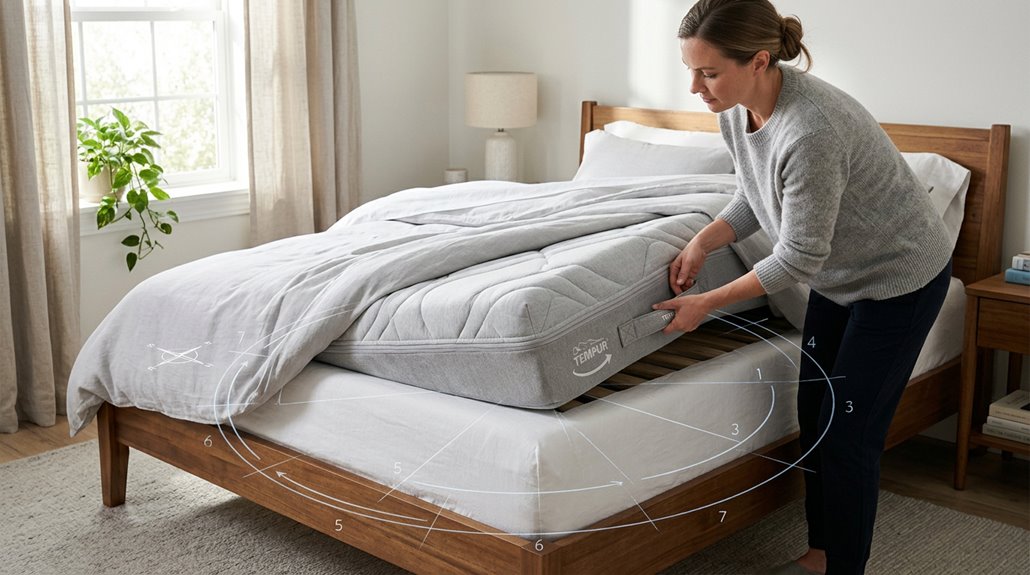
Rotate your Tempur-Pedic every three months, head to foot, never flipped, because that firm base feels like concrete if you flip it wrong.
Clear three feet around your bed, grab a helper, and use moving blankets so you’re not dragging your mattress across the floor.
Let it acclimate for 24-72 hours untouched, use a mattress protector, and watch for sagging.
Skip the flip entirely or you’ll void the warranty and compromise your sleep quality.
Proper rotation technique is essential for maintaining this investment’s comfort and longevity.
Prepare Your Space for a Tempurpedic Rotation
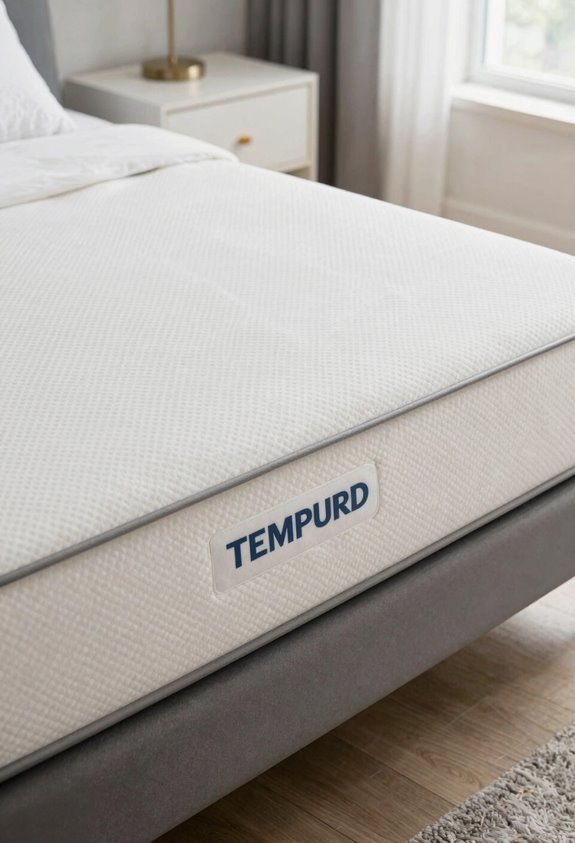
Before you even think about flipping your mattress around, you need to prepare your space properly.
First, strip everything off. Every sheet, every pillow, every blanket must be removed. You need a completely clear bed so you’re not fighting fabric while rotating.
Next, vacuum that mattress surface thoroughly. Dust settles on top, and you don’t want it spreading everywhere during Tempur-Pedic mattress care.
Make sure your foundation is sturdy and flat. Wobbly bases make rotation difficult. If you’ve got an adjustable base, it will support your mattress perfectly during the rotation.
Clear at least three feet of floor space around your bed. You’ll need the room to maneuver.
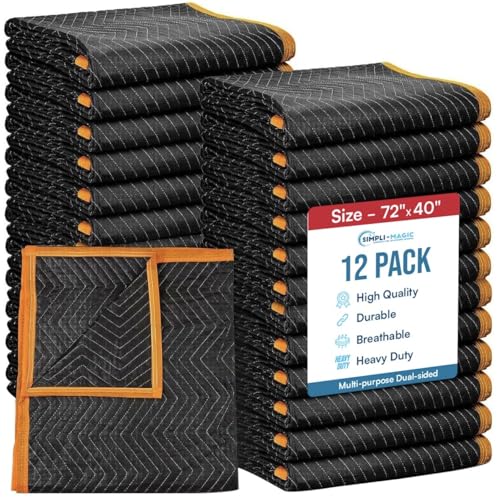
Professional-grade: Oversized, 72" x 40" premium quality moving pads that provide exceptional damage protection from scratches, nicks, dirt, and moisture when moving or transporting furniture, appliances, and other valuable large items. Designed in California

Professional Moving Blanket: Come with 3 Packs of 40x72inch heavy-duty moving pads, perfect size to cover and protect even your large items.

Premium Quality: LDPE mattress protector for moving resists tears during loading, shipping, and transit; Waterproof construction keeps your twin mattress dry and protected in long-term storage
Rotate Your Mattress 180 Degrees Every Three Months
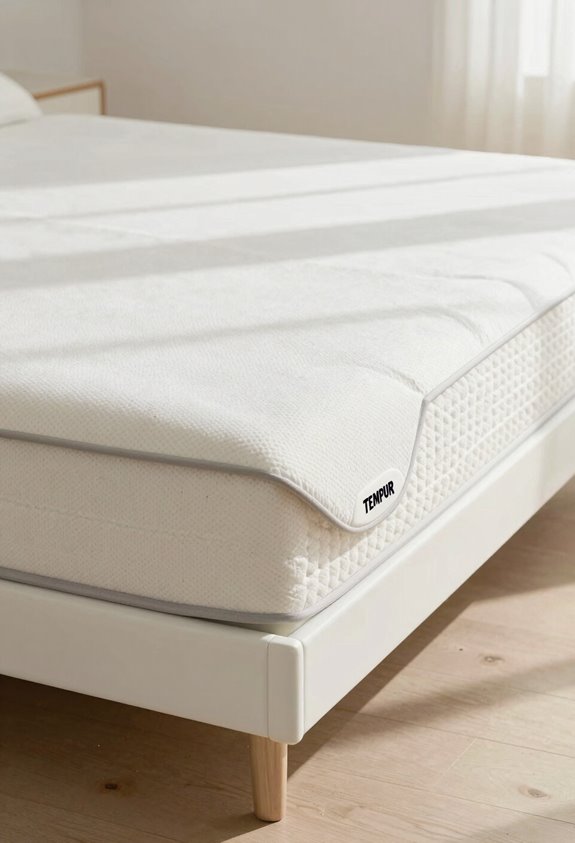
Now that your bed’s prepped and pristine, it’s time for the main event: the actual rotation. You’re not flipping your Tempur-Pedic like a pancake. Instead, you’re doing a clean 180-degree rotation every three months, moving it head to foot. This approach prevents dips from forming where you sleep night after night, similar to how tire rotation extends their lifespan.
This calendar-based schedule keeps your weight distributed evenly across the entire surface. Your body creates impressions in one spot over time, and rotation spreads that wear across the mattress. Grab a friend if you need backup. Mark your calendar for January, April, July, and October. Following this schedule will preserve the support and comfort of your mattress.

【Pressure Relief & Spinal Alignment】This 14 inch mattress queen features a 3-layer foam design that helps relieve pressure and promote proper spinal alignment. The NanoGel memory foam gently contours to your body, while the comfort and support layers work together to distribute weight evenly and ease tension on key pressure points like the back and hips. This queen mattress is certified by the ACA. Designed to provide balanced support and a more restful sleep experience.

【THREE LAYERS OF COMFORT FOAM】Queen mattress 12 inch have three-layer foam technology: Top layer- 1-inch nano-gel memory foam; Middle layer- 3.5-inch breathable and comfortable foam; Bottom layer - 5.5-inch high flex support base foam. The top layer of gel memory foam offers excellent breathability and heat dissipation, precisely conforming to your body's curves while effectively resisting temperature changes. The high-density comfortable foam maximizes airflow, enhances blood circulation, and reduces joint stress. The bottom layer of high flex support base foam provides sufficient resilience to offer necessary support for your spine, maintaining its natural alignment and relieving pressure.
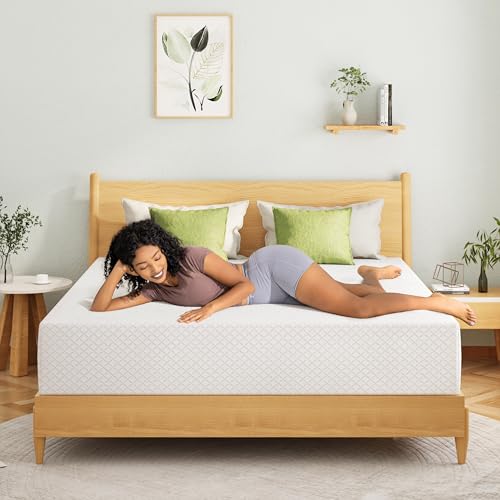
Pressure Relief Memory Foam: This queen mattress uses patented premium memory foam material that provides balanced support while effectively absorbing and evenly distributing body pressure. It greatly alleviating the reaction force on body and relaxing muscles. The stress on joints in contact with the mattress is minimized, which will not add burden to the body while asleep.
Handle the Mattress Carefully to Avoid Damage
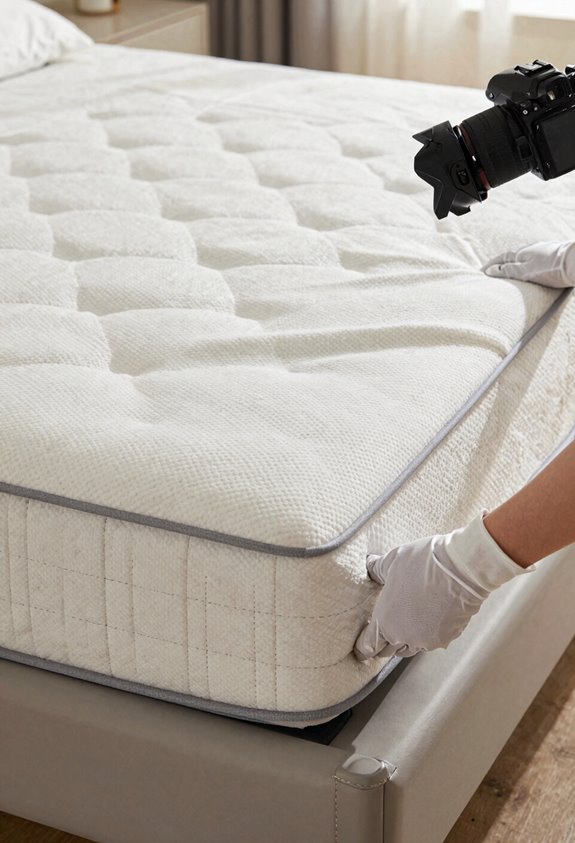
I can’t stress this enough: you’ll want a partner helping you with this task, or grab a moving strap, because yanking your mattress around solo causes torn covers and damaged foam. When it’s time to move the mattress, lift and pivot it rather than dragging it across your floor. Your memory foam is durable, but it will crack or separate if you bend it too much. Treat it gently to prevent damage.

SAFEGUARD YOUR INVESTMENT: Keep your expensive mattress in pristine condition with our Premium Queen Bamboo Mattress Protector. Our ultra-soft mattress cover protects from dirt, water and normal wear & tear, so it stays clean and comfortable.
SAFEGUARD YOUR INVESTMENT: Keep your expensive mattress in pristine condition with our Premium King Bamboo Mattress Protector. Our ultra-soft mattress cover protects from dirt, water and normal wear & tear, so it stays clean and comfortable.

Mattress Protector - Fits Full size mattress perfectly with dimensions 54 inches by 75 inches by 15 inches, featuring professionally turned hems and deep fitted pockets
Lift With Proper Technique
When you’re ready to rotate that beast of a mattress, proper lifting technique prevents back injury. Bend at your hips and knees, keep your spine straight, and avoid twisting like you’re wringing out a towel. That’s how people hurt themselves.
Grip the mattress from the sides, not the edges. Think wide and firm, distributing weight evenly. This prevents those annoying pressure points that can damage the foam. Lift with your legs doing the heavy lifting, not your arms. Move in one smooth, controlled motion rather than jerky movements. If this beast weighs more than you can handle solo, grab a friend. Two people make this infinitely safer and significantly reduce the risk of accidentally creasing your sleep surface.
Protect Foam During Movement
Your Tempur mattress is precision-engineered memory foam that deserves proper handling. When you’re rotating, never drag it across your floor like you’re moving furniture from a college dorm. That will cause tears in the TEMPUR material.
What works:
| What To Do | Why It Matters |
|---|---|
| Lift with a partner | Prevents dragging damage |
| Use moving blankets | Reduces friction during rotation |
| Grip the handles firmly | Distributes weight evenly |
| Avoid sharp tools | Protects foam layers |
| Pivot slowly | Prevents deformation |
Treat your mattress like a delicate cake: support it properly, move deliberately, and avoid sudden twists. Clear obstacles first, stand it on edge gently, and pivot without jerking. Proper handling prevents permanent damage to the foam structure and extends mattress longevity.
Avoid Excessive Force Application
Because Tempur memory foam is denser and more delicate than regular mattresses, you need to treat the rotation carefully rather than aggressively. Excessive force damages those delicate foam layers underneath.
Use smooth, steady motions when turning your mattress 180 degrees. If you hit any resistance, stop immediately. Don’t push through it. Pause, check for obstructions, and reassess.
Your mattress will provide years of comfortable, undamaged support when handled properly.
Allow the Mattress to Acclimate After Rotating
After Rotating Your Mattress, Allow Time for Acclimation
Your mattress may feel different right after you flip it, which is normal. After rotating your Tempur-Pedic, allow 24 to 72 hours for proper acclimation. Your foam needs time to settle into its new position, similar to how materials adjust to environmental changes.
During the acclimation period, avoid using your bed. Do not sleep on it or apply pressure to it. Uneven settling creates creases that will affect comfort later.
Temperature affects acclimation speed. If your bedroom is cool, extend the acclimation period by additional days for full settling. Some initial softness changes are expected and will stabilize within several days.
If comfort issues persist beyond one week, inspect your base or rotate the mattress again.

UNIVERSAL FIT: Suitable for Full / Double, Queen, King / Eastern King, and California King size Beds; Works with Mattresses, Box Springs, and Foundations; Compatible with steel, iron, metal, and wood bed frames (bed frame not included)
Pair Rotation With a Protector for Maximum Durability
Pairing your rotation routine with a quality waterproof protector is the smartest move you can make. It’s like giving your mattress body armor against spills, stains, and allergens that would otherwise wreck your warranty and your sleep setup. When you rotate every 2–3 weeks for the first six months, then twice yearly, that protector works overtime, catching the stuff that would seep into those foam layers and create odor problems you can’t undo. A breathable, properly fitted protector lets moisture escape while keeping damage out, so your mattress stays fresh and your rotation efforts actually pay off long-term.
Protector Extends Mattress Life
Why does a mattress protector matter when you’re already rotating your Tempurpedic? Think of it as your mattress’s bodyguard.
- Moisture protection – A quality waterproof protector blocks spills and sweat that’d otherwise seep into foam layers
- Warranty preservation – Moisture exposure voids coverage faster than you’d think, but a protector keeps you safe
- Odor prevention – Trapped moisture breeds funk that degrades foam over time
- Easy maintenance – Machine-washable protectors let you clean regularly without hassle
Skipping this step leads to deterioration when mattresses aren’t protected from moisture damage. A snug-fitting protector that stays put during rotation prevents this outcome. Combining rotation with protection extends your mattress lifespan significantly and maintains its structural integrity for years.
Safeguarding Against Liquid Damage
Liquid damage sneaks up when you least expect it. One spilled coffee, one leaky water bottle, and your foam’s compromised. A quality mattress protector is essential for preventing this.
Pairing rotation with a premium, breathable waterproof mattress protector is non-negotiable. It creates a barrier that stops liquids from penetrating deep into your mattress’s core, preserving that contouring surface you paid good money for. Every 3–6 months when you rotate, keep that protector snug in place.
Wash it regularly per manufacturer instructions. This reinforces its barrier properties and keeps your warranty intact. Protecting against liquid damage is essential maintenance that extends your mattress’s lifespan significantly.
Rotation and Protection Combined
When you rotate your Tempurpedic without a protector in place, you’re asking for trouble and only doing half the job.
Pairing rotation with a quality waterproof protector transforms your maintenance routine into a powerhouse strategy. Think of it like brushing and flossing; one’s good, but together they’re unbeatable.
- Protectors defend against spills, stains, and allergens that sneak onto your mattress
- They promote even wear by keeping your foam clean and responsive
- Regular rotation combined with protection extends your mattress lifespan substantially
- Spot-cleaning before and after rotation prevents dust buildup that compromises performance
I vacuum my surface before rotating, then the protector catches what I miss. This combination habit keeps that conforming support you paid for actually working. Your future self will benefit from this minimal effort.
Watch for Sagging or Comfort Loss
You’ll want to regularly inspect your mattress for visible sagging or dips in the sleeping surface, much like checking your favorite jeans for wear spots. Pay attention to where your body naturally settles after sleep. Those telltale impressions indicate something’s happening.
Track comfort changes objectively. Are pressure points bothering you more. Is the contouring support slipping in certain zones. Rotate your mattress every 2–3 weeks initially, then twice yearly, which reveals wear patterns quickly.
Compare how you feel before and after rotating. Better sleep means the strategy’s working. Worse sleep indicates something’s off. If sagging worsens despite rotation, don’t delay. Check your warranty and consider replacing it. A deteriorating mattress can negatively impact spinal alignment and sleep quality.
Understand Why Flipping Doesn’t Work for Tempurpedic
Unlike traditional mattresses you might flip like a pancake, Tempur-Pedic mattresses have a very specific design: the premium TEMPUR material sits on top as your sleep surface, while a denser support core lives underneath doing the strenuous work.
Tempur-Pedic mattresses feature premium TEMPUR material on top with a dense support core underneath—a one-sided design unlike traditional flippable mattresses.
Here’s why flipping breaks everything:
- You’d place that firm support base on top, essentially sleeping on concrete.
- The one-sided sleep surface loses all its contouring magic and pressure relief.
- You’d potentially void your warranty, as manufacturers didn’t design these for flipping.
- Your mattress would feel completely wrong, defeating the entire purpose of your investment.
The temptation to flip is understandable. Most people are conditioned to flip mattresses. However, rotation is the correct approach for Tempur-Pedic. A 180-degree turn keeps wear even without compromising comfort. Rotation maintains the mattress’s intended performance and extends its lifespan.