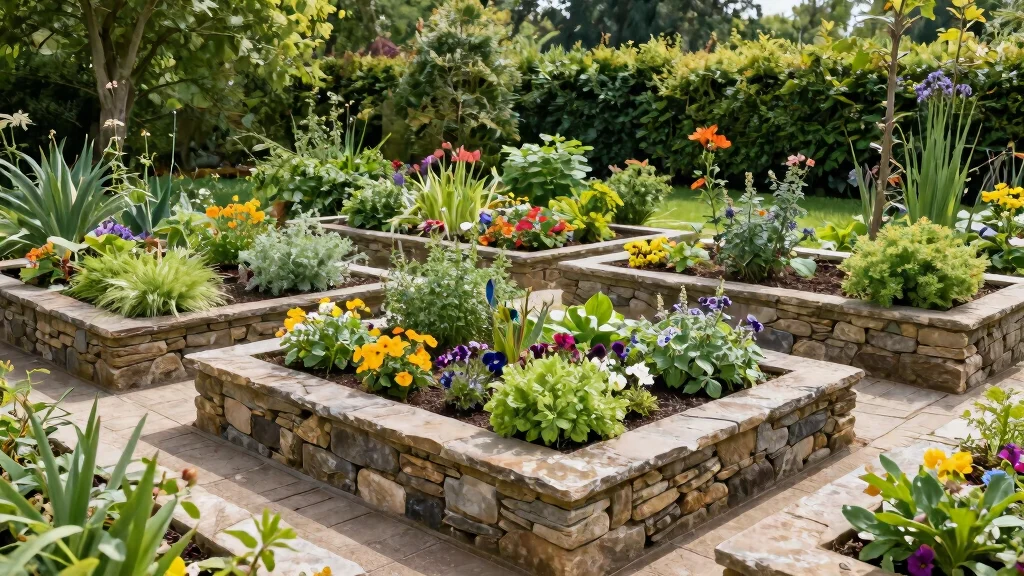
Gardening can feel like a balancing act, especially when heavy rains threaten to wash away your hard work. If you’ve ever watched your precious garden soil slip away after a downpour, you might be craving a solid solution that combines beauty with practicality. Well, you’re in luck! This post explores 14 stone garden beds designed to keep your soil firmly in place, even during the heaviest rains.
If you’re a gardening enthusiast, a homeowner looking to enhance your outdoor space, or someone who values sustainable practices, this guide is tailored just for you. You’ll find inspiration and practical ideas that marry aesthetics with functionality. Get ready to discover how these stunning stone garden beds not only elevate your garden’s appeal but also provide effective garden drainage solutions and erosion control.
In this article, you’ll uncover various designs and styles of stone garden beds, from classic raised beds to innovative terraced options. Each design offers unique benefits, ensuring your plants thrive while safeguarding your soil. By the end of this guide, you’ll walk away with actionable insights that make your gardening experience both beautiful and sustainable.
Key Takeaways
– Discover 14 creative stone garden bed designs that are visually appealing and functional for managing rainwater.
– Learn about classic stone raised beds and their benefits for reducing soil erosion while adding charm to your garden.
– Explore modular stone garden beds that offer versatility and easy customization for any garden layout.
– Uncover practical tips for maintaining your stone beds, ensuring longevity and sustained beauty in your garden.
– Get insights into the sustainable stone selection process, helping you choose eco-friendly materials that align with your gardening values.
1. Classic Stone Raised Beds
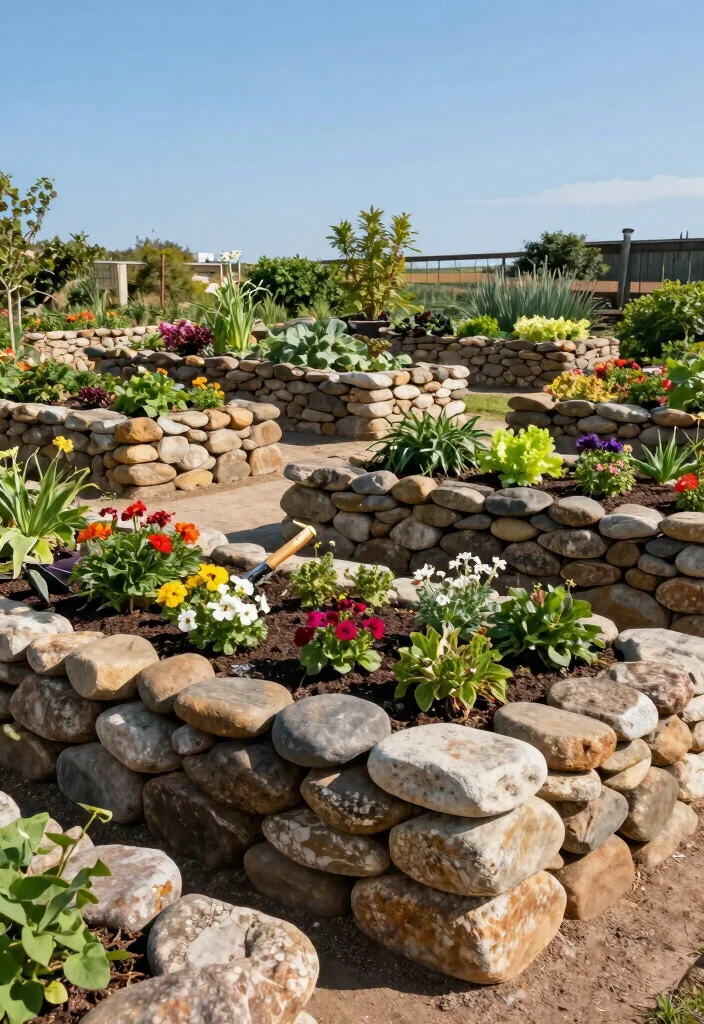
If you’re searching for a garden solution that combines style and strength, classic stone raised beds are an excellent choice. These sturdy structures are designed with solid stone walls, creating a defined area that resists erosion and heavy rain. You can select from various stones, such as smooth river rocks or rugged fieldstones, to match your garden’s unique aesthetic.
To get started, prepare your garden area by clearing debris and leveling the ground. Lay down a weed barrier before stacking your chosen stones. Once constructed, fill the beds with high-quality soil and watch your plants thrive in this durable environment.
Key benefits of classic stone raised beds:
– Erosion Control: Dense stone walls keep soil in place during heavy rains.
– Temperature Regulation: Stones retain warmth, creating a cozy microclimate.
– Pest Barrier: Solid structure deters pests from entering your garden.
With their timeless appeal and functionality, these raised beds will enhance your gardening experience while providing a beautiful backdrop for your plants.

Exceptional Lifespan: Engineered for professional landscaping applications, offering effective weed suppression for up to 25 years when covered with 3-4 inches of soil, bark, or gravel.

Ergonomic Height: Standing at 30 inches tall, it reduces strain from bending and kneeling, promoting more comfortable gardening.
2. Dry Stone Wall Beds
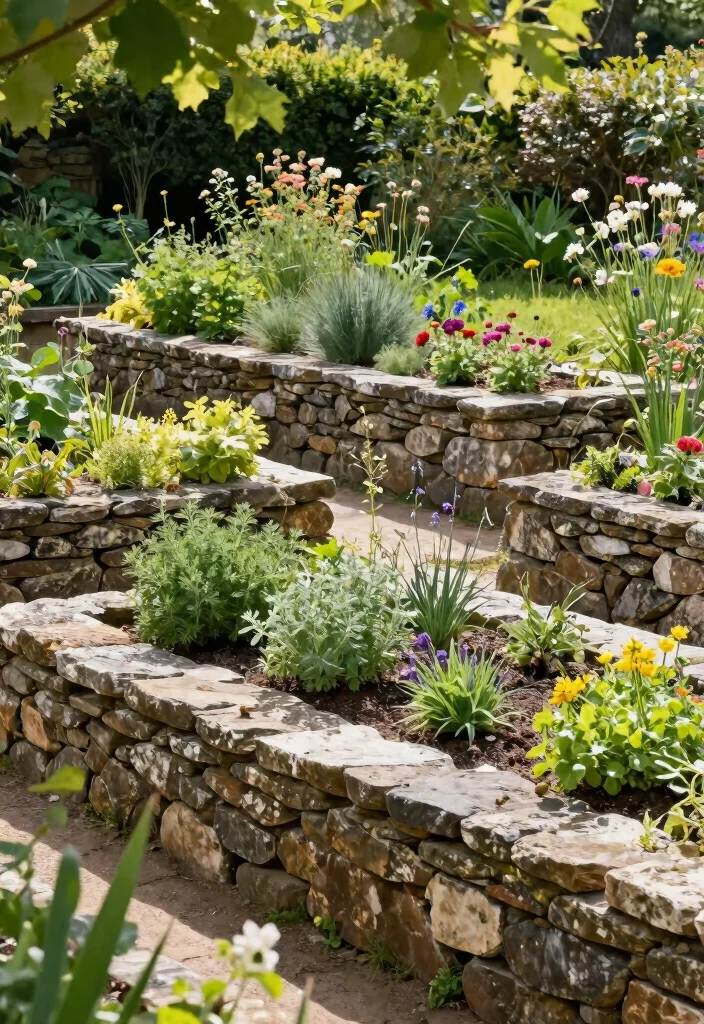
Imagine a garden that combines rustic charm with practical benefits—dry stone wall beds offer just that. Built without mortar, these beds promote natural drainage, allowing water to flow freely while creating a stunning visual effect reminiscent of ancient stonework. Ideal for cottage gardens, they add an authentic touch to your outdoor space.
To create your own dry stone wall bed, begin by outlining the desired shape and selecting stones that fit together well. Carefully stack the stones, ensuring there are gaps for drainage. This method not only looks great but also supports healthy plant growth by preventing soil compaction.
Benefits of dry stone wall beds include:
– Natural Drainage: Water flows through, promoting strong root systems.
– Aesthetic Appeal: Adds character and a sense of history to your garden.
– Wildlife Habitat: Crevices provide homes for beneficial insects.
Your garden will thrive with these beautifully crafted beds, creating a harmonious blend of form and function.

Natural Landscape Edging: Create a beautifully landscaped yard with natural stone. Perfect for garden beds, walkways, and patio borders, this ledgestone will add value and...
3. Modular Stone Garden Beds
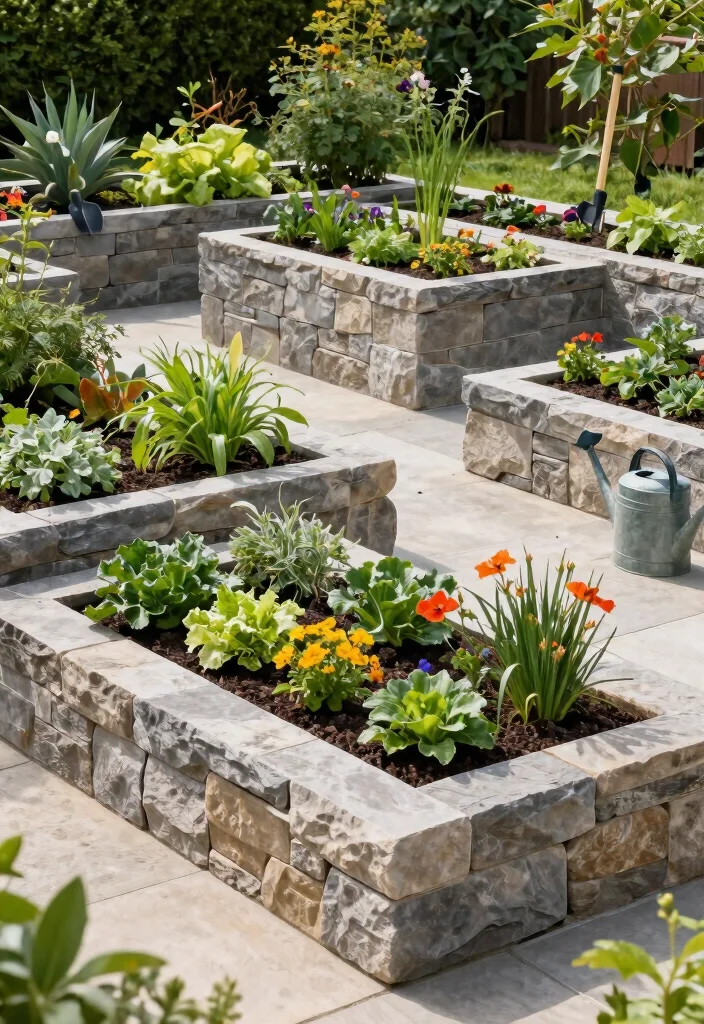
For those who crave flexibility in their gardening, modular stone garden beds are the perfect solution. These innovative designs consist of interlocking stone blocks that allow you to easily create and adjust your garden layout. Whether you’re looking for a contemporary style or a more traditional look, these beds adapt to your vision.
Setting up modular stone beds is simple and requires no special skills. Choose a design that fits your space, stack the blocks according to the instructions, and fill the beds with nutrient-rich soil. You can rearrange or expand them as your gardening needs evolve.
Key features of modular stone garden beds:
– Adaptability: Change the layout as your plants grow.
– Easy Assembly: Quick setup with no specialized tools required.
– Sturdy Construction: Heavy stones withstand rain and erosion.
With their ease of use and versatility, these beds open up endless possibilities for your gardening journey.

Realistic Faux Stone Texture: Our landscape edging boasts a lifelike stone texture with detailed surface patterns that add depth and a polished look to your outdoor space. It beautifully enhances garden beds, lawns, pathways and flower beds, bringing a natural, decorative touch to any yard.

This is a Start Block: The specific purpose is to start non-circle projects. For Beuta Landscape Edging Only

STAYS IN PLACE - Our edging stays securely in place, keeping mulch and other materials from migrating into other areas of your landscape for a pollished look
4. Stone Terraced Beds
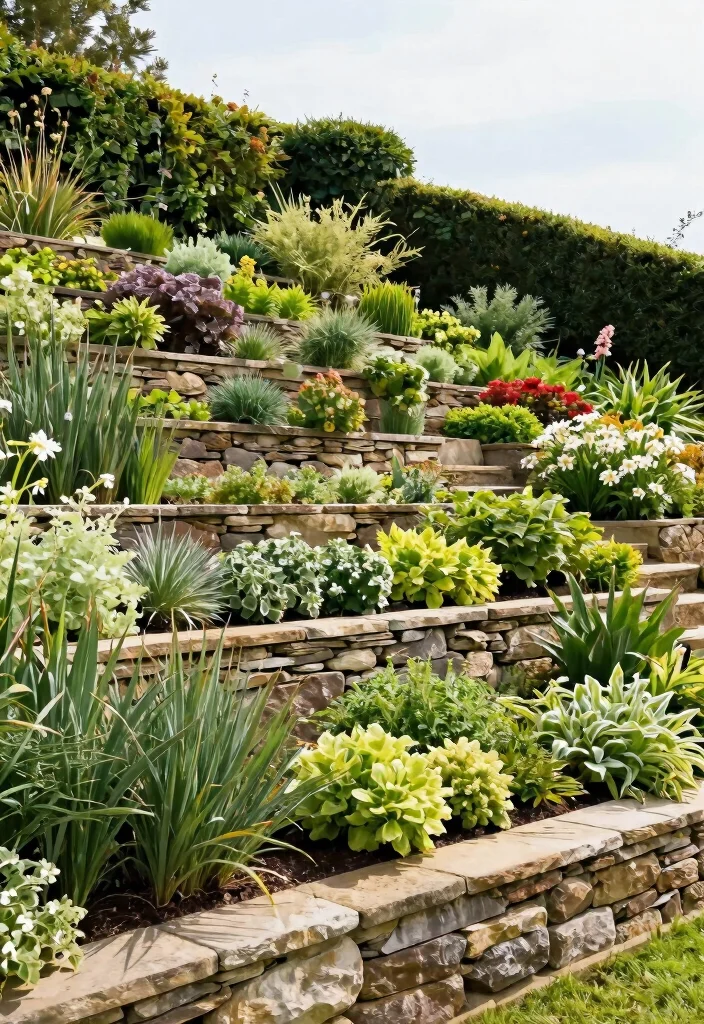
If you’re dealing with a sloped garden, stone terraced beds could be your ideal solution. They help prevent soil erosion while maximizing your planting space. By creating flat areas on tiers, these beds offer both beauty and functionality, making your garden visually striking and practical.
To design stone terraced beds, sketch out your layout, then build each level carefully with stones. Fill each terrace with rich soil suitable for your plants, ensuring they have the nutrients they need to thrive.
Benefits of stone terraced beds include:
– Maximized Planting Area: Multi-level spaces for diverse plantings.
– Erosion Control: Stones act as retaining walls to keep soil intact.
– Irrigation Efficiency: Water distributes evenly across terraces.
Your sloped garden can transform into a stunning tiered landscape that enhances both aesthetics and plant health.

WHAT'S IN THE BOX: One 3 ft x 50 ft non-woven roll covering 150 sq ft, plus 20 steel landscape pins

【Packaging Composition and Size 】Pack of 50, 6inch long, 1inch wide, 11 Gauge garden stakes. In addition, we also equipped it with 1 pick hook and 50pcs plastic fixing gasket. The fixing gasket can make your project installation firmer, and the pick hook can pull the landscape staples out easily. Packed in thick corrugated carton to avoid damage during transportation

Commercial-Grade Weed Barrier: Durable 3 oz polypropylene pointbond fabric designed for heavy-duty landscape use where long-term weed control and dependable ground coverage are needed
5. Curved Stone Garden Beds
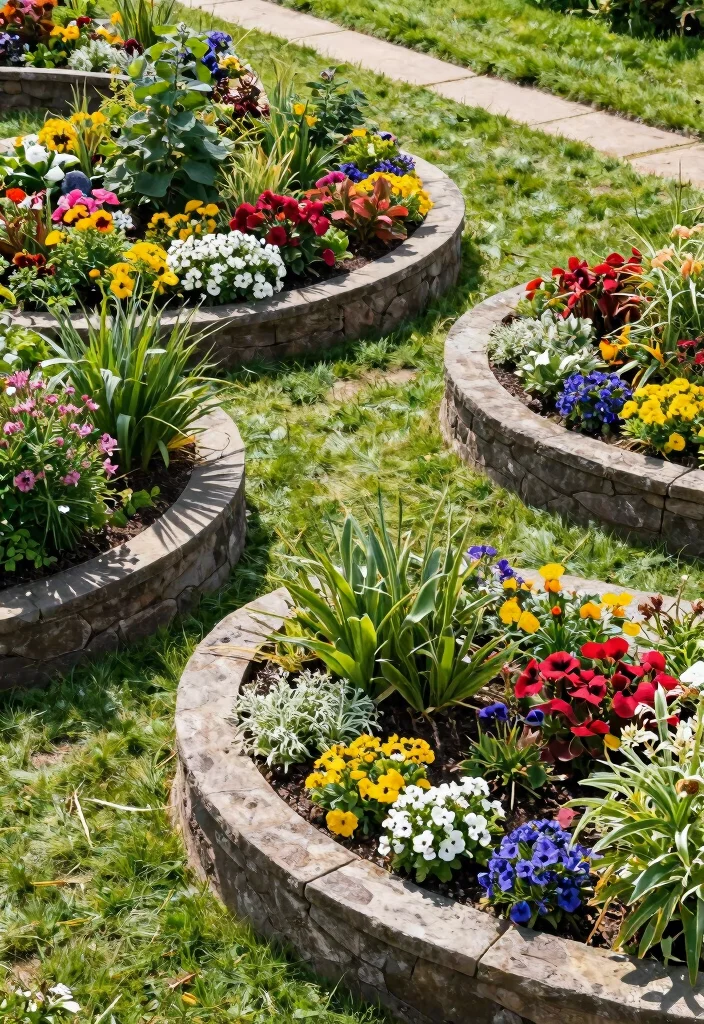
Curved stone garden beds add a soft, organic touch to your garden design. With their gently rounded shapes, these beds create a relaxed atmosphere, ideal for flower gardens or mixed plantings. They can mimic natural forms found in landscapes, enhancing the overall beauty of your outdoor space.
To achieve this inviting look, outline the desired curve, select stones that can follow the shape, and ensure a solid base to prevent shifting. These beds not only look great but also promote efficient water drainage.
Highlights of curved stone garden beds:
– Aesthetic Variety: Breaks the monotony of straight lines.
– Enhanced Drainage: Curves help direct water flow effectively.
– Defined Planting Areas: Clearly outline sections for a tidy appearance.
With these curved beds, you can create a garden that feels both inviting and meticulously organized.
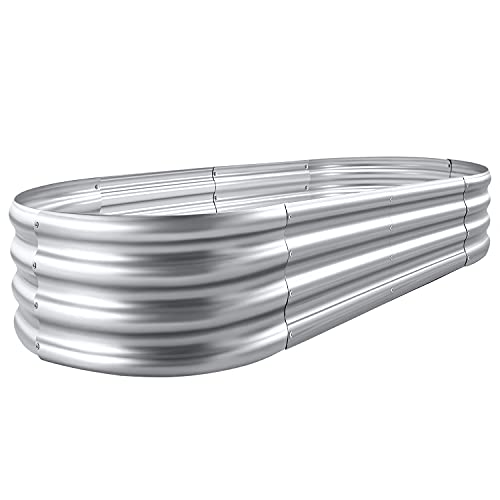
Each raised metal garden bed size: 4×2×1ft ,7.14Cu

High-Quality PE Material with Drainage Hole: Crafted from durable and flexible PE material, these grow bags are built to withstand outdoor conditions without cracking. The bottom drainage hole provides essential airflow to roots and prevent overwatering and root rot, ensuring your plants thrive in a well-aerated environment.

6. Stone and Wood Combination Beds
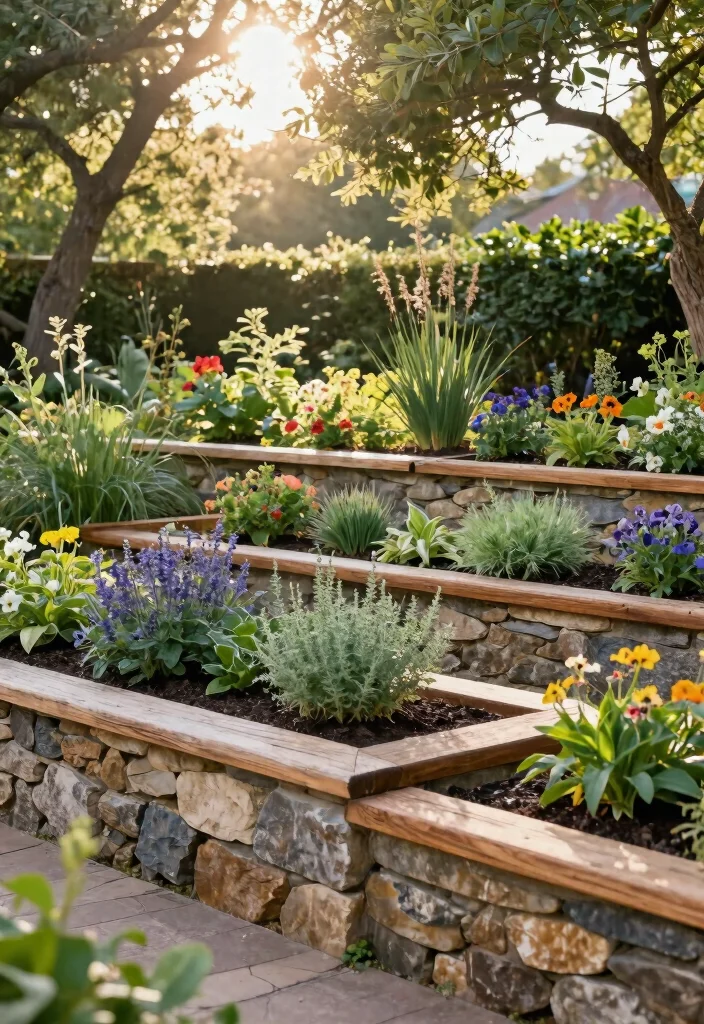
Combining stone and wood in your garden beds creates a striking contrast that enhances visual appeal. The strength of stone paired with the warmth of wood works harmoniously, providing effective erosion control and an inviting atmosphere for your plants.
To build these unique beds, alternate between stone and wood while stacking for a balanced appearance. Make sure the wood is treated to withstand weather conditions, ensuring durability and longevity.
Benefits of stone and wood combination beds:
– Visual Contrast: Enhances the garden’s aesthetic appeal.
– Enhanced Structure: Wood supports the stone walls for added stability.
– Natural Insulation: Wood retains heat, helping to regulate soil temperatures.
This combination allows you to create a garden that is both beautiful and functional, providing an ideal environment for your plants.

400LBS CAPACITY & RUST-RESISTANT STEEL: Made from heavy-duty galvanized steel with a premium outdoor-grade powder coating. The double-layer coating is 3x thicker, protects against rain, snow, and UV, and is safe for plants and people - this raised bed holds up to 400 lbs of soil without bending. Trusted by over 50,000 gardeners with 6,700+ reviews

Generous Planting Space: Ample bed space provides your plants and vegetables with room to thrive, promoting healthy growth and robust yields.

Soil Erosion: Prevents soil erosion from rainfall impact and stormwater sheet flow. Our Erosion Control Blankets retain moisture in the soil to enhance seed germination and vegetation growth which will lead to better growing seasons and less Erosion. The Dimensions of this product depending on shipping are 7.5' x 112.5'.
7. Rock Garden Beds
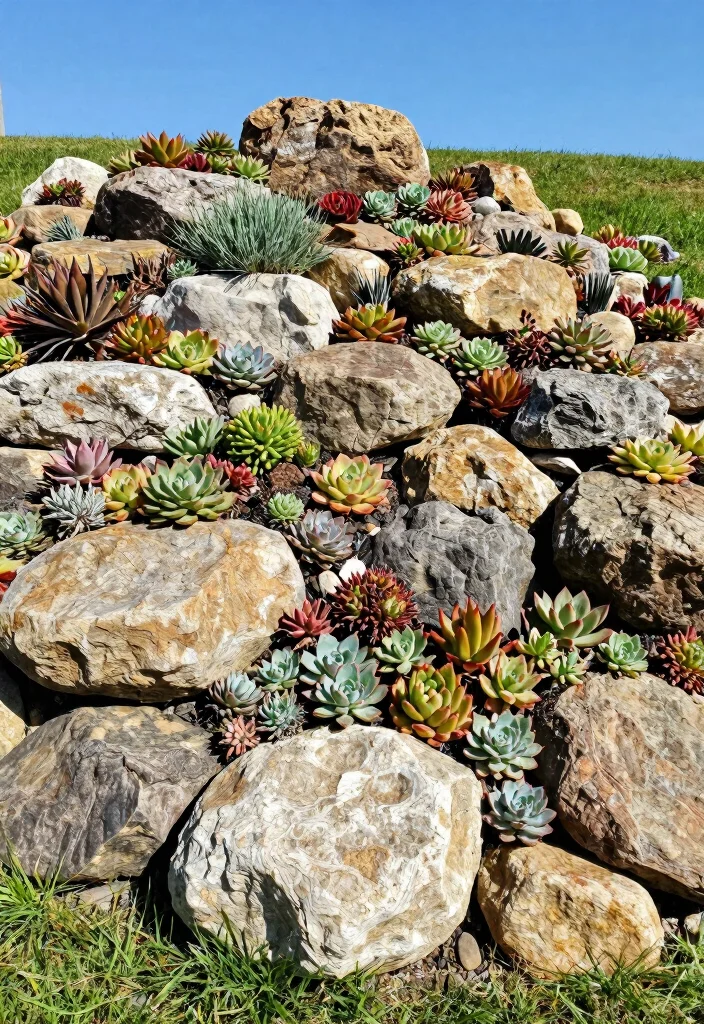
Rock garden beds filled with gravel or crushed stone present a stunning alternative to traditional soil beds. These gardens are ideal for succulents and drought-resistant plants that thrive in well-drained conditions, creating a unique landscape that adds intrigue to your outdoor space.
To design a rock garden bed, start by establishing a sturdy border with larger stones, then fill the center with smaller rocks. Select low-water plants that complement the rocky environment for a cohesive look.
Key advantages of rock garden beds:
– Low Maintenance: Requires less weeding and watering.
– Drainage Excellence: Prevents water pooling and root rot.
– Unique Aesthetic: Varied textures and colors enhance visual interest.
This setup offers a distinctive charm while providing an easy-care solution for busy gardeners.
Fun fact: Rock garden beds with gravel drain 2–3 times faster than traditional soil, slashing watering needs in dry seasons. For a stunning, low-water landscape, use stone garden beds with succulents and drought-tolerant plants that thrive in well-drained conditions.
8. Stone Bordering for Existing Beds
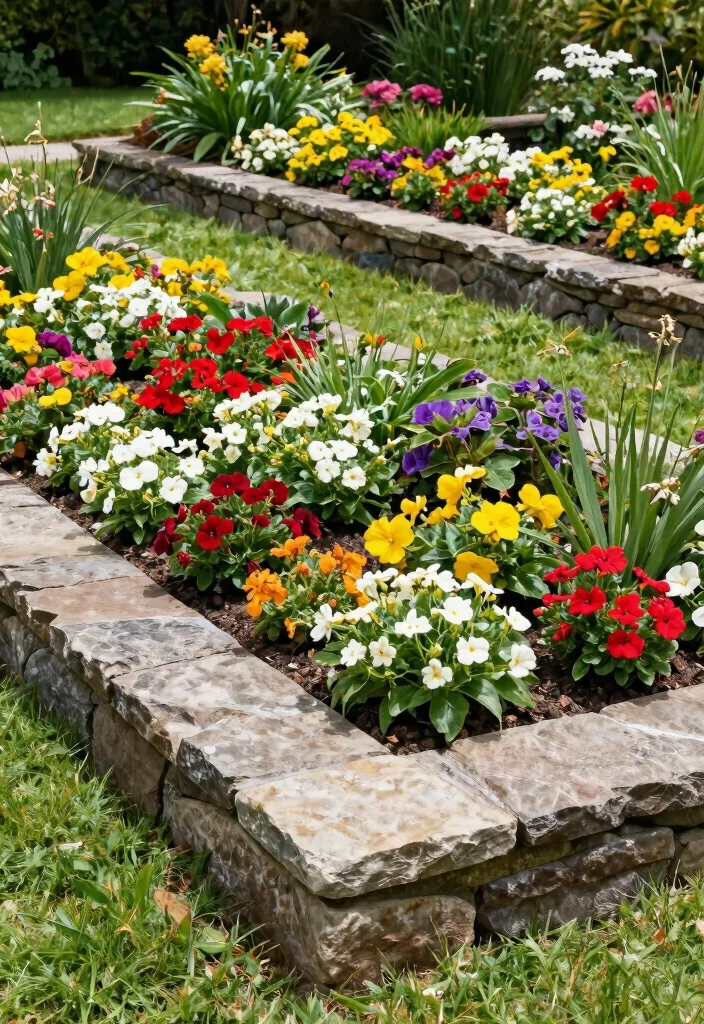
Adding stone borders around your existing garden beds can enhance their structure and protect soil integrity. These natural barriers prevent soil from washing away while adding a decorative element that ties your garden together.
To create a stone border, select stones that complement your garden’s style, and lay them around the edges of your beds. This DIY project is straightforward and provides immediate visual and functional benefits.
Benefits of stone bordering:
– Soil Retention: Keeps soil in place during heavy rainfall.
– Visual Definition: Organizes planting areas for a tidy look.
– Expanded Planting Options: Accommodates various plants thriving near stone.
Your garden will benefit from this simple addition, enhancing both its beauty and functionality.

EASYFLEX DECORATIVE NO-DIG LANDSCAPE EDGING: Get a beautifully landscaped yard without all the work of a dig-in lawn edging; simple installation without trenches or shovels; color may vary due to the unique manufacturing process.

Easy installation – Install garden edging border quickly with our patent-pending connection system. Simply hammer spikes to secure for a stable it firmly in place. Ideal for landscape edging border projects.

20-Pack Garden Edging Set: Includes 20 gray plastic edging panels. Each panel measures approx. 9.65 x 3.94 x 9.06 in and weighs about 0.13 lb. When connected, the full set covers up to 16 ft.
Key Trade-offs & Our Top Pick
Choosing the right type of stone garden beds can be tricky. Each option has its own pros and cons. Here’s a look at some popular choices to help you decide.
1. Classic Stone Raised Beds
– Pros:
– Durable and weather-resistant.
– Provides good drainage for plants.
– Cons:
– Can be costly due to materials and labor.
– Heavy and may require more effort to install.
– Best for: Homeowners who want a traditional look and strong durability.
2. Dry Stone Wall Beds
– Pros:
– No mortar needed; allows for natural drainage.
– Offers a rustic aesthetic and can blend into natural landscapes.
– Cons:
– Requires skill to build properly.
– May shift over time if not constructed well.
– Best for: DIY enthusiasts who enjoy a challenge and want a natural look.
3. Modular Stone Garden Beds
– Pros:
– Easy to assemble and can be customized.
– Lightweight options are available for easy relocation.
– Cons:
– May lack the sturdiness of traditional stone beds.
– Some materials may not be as durable long-term.
– Best for: Gardeners looking for flexibility in design and placement.
4. Curved Stone Garden Beds
– Pros:
– Unique, eye-catching designs increase visual interest.
– Can help manage water flow and prevent soil erosion.
– Cons:
– Installation may be more complex than straight beds.
– Might require more stone and planning.
– Best for: Creative gardeners wanting to add flair to their landscape.
5. Stone and Wood Combination Beds
– Pros:
– Combines the durability of stone with the warmth of wood.
– Can be less expensive than all-stone options.
– Cons:
– Wood may rot over time, impacting durability.
– Requires regular maintenance to protect the wood.
– Best for: Gardeners seeking an affordable yet stylish option.
Expert Recommendation:
Best Overall: Classic Stone Raised Beds
Classic stone raised beds are the top choice for most gardeners. They offer excellent value for money with their durability and ability to manage drainage. You’ll also find that these beds can enhance the beauty of any garden space while standing up to harsh weather conditions.
Why We Picked This:
While classic raised stone beds are versatile, some may prefer modular options for their ease of assembly or dry stone walls for a more organic look. If you have specific needs or a unique vision for your garden, one of the other options might suit you better. Always consider your budget, skill level, and aesthetic preferences when choosing your stone garden beds!

【5OZ Driveway Fabric】-Our 5 Ounce Heavy Duty Geotextile made from High-Quality Polyethylene Material,tear-resistant, sturdy and durable.

Professional grade 6 inch landscape staples: Our garden stakes are designed to enhance your outdoor landscapes, patio, home, and landscaping projects. Longer and stronger than typical pins, pegs, and sod staples.

【Extra Long 100ft】: Our garden weed barrier fabric is available in 4x100 ft dimensions (Contains two 4*50ft rolls of weeding fabric ). This design is better suited for covering larger planting areas, offering ample material to ensure effective control and coverage of your vegetation or weeds.
9. Edible Stone Beds
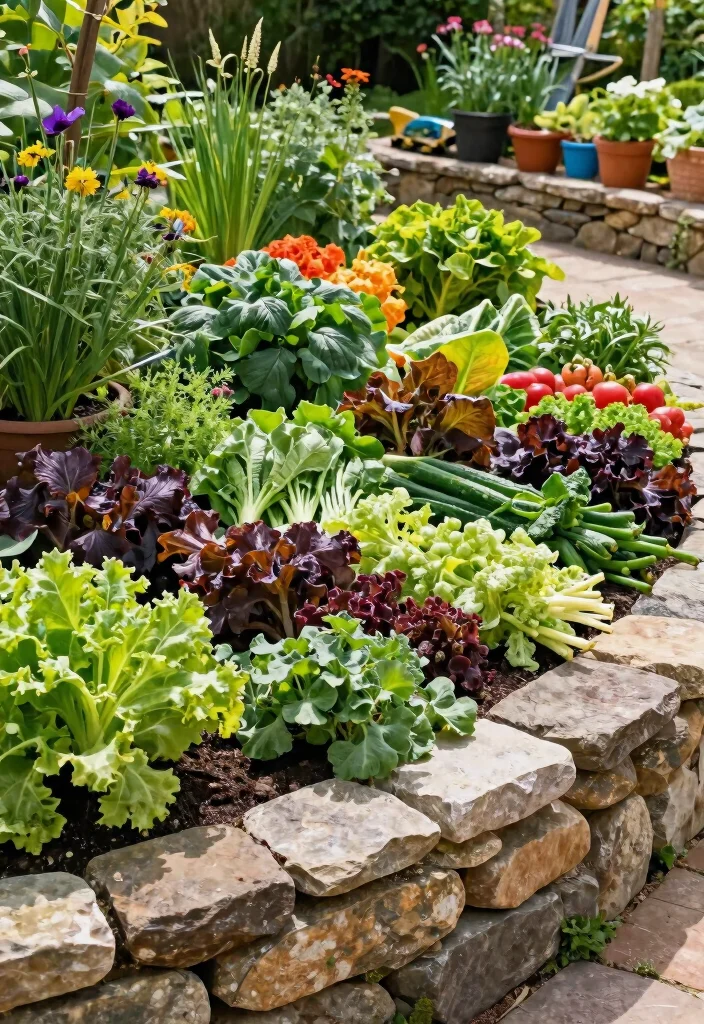
Creating stone beds dedicated to edible plants is a fulfilling way to blend beauty with practicality. These beds can house vegetables, herbs, and fruits, providing easy access while enhancing your garden’s visual appeal.
To design an edible stone bed, select stones that complement your home’s style, and ensure ample space for a variety of plants. Fill the bed with nutrient-rich soil, and consider planting a colorful mix of herbs and vegetables for a productive garden.
Key benefits of edible stone beds:
– Accessibility: Raised beds ease gardening tasks on your back and knees.
– Soil Health: Controlled drainage supports thriving plants.
– Aesthetic Harvesting: The blend of stone and plants creates an eye-catching display.
With these beds, you can enjoy both the beauty of nature and the pleasure of harvesting your own fresh produce.

Fabric Raised Garden Bed: Made of superior breathable felt fabric, built thick and sturdy, UV resistant, that provides exceptional air flow throughout the soil and root systems and allows excess moisture to easily drain away

【3-in-1 Metal Planter Box with Trellis】This 72-inch tall metal planter box with trellis serves as an elevated garden bed for flowers, vegetables, and fruits, a sturdy support for climbing plants, and a stylish privacy screen to enhance any patio, lawn, or garden space. Perfect for versatile outdoor planting and decoration.

【Premium Metal Construction for All-Weather Durability】: Crafted with heavy-duty rust-resistant metal, this elevated raised garden bed outdoor is built to withstand rain, sun, and outdoor elements for years of use. Unlike flimsy plastic planters, the sturdy frame ensures stability even when filled with soil and plants—perfect for growing vegetables, herbs, and flowers. Ideal as a metal raised garden bed for patio or balcony, it combines durability with a sleek design that complements any outdoor space.
10. Stone and Water Feature Integration
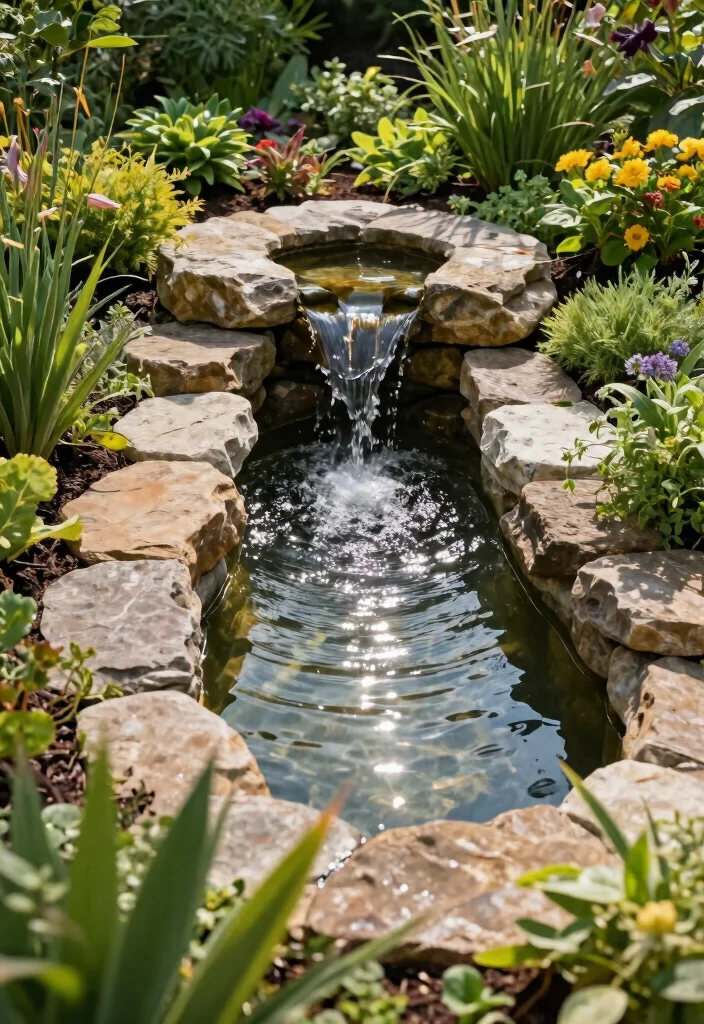
Integrating stone garden beds with water features offers a stunning focal point in your landscape. The combination of stones and flowing water creates a serene atmosphere while effectively managing drainage.
When planning this design, consider the layout of your garden and the placement of the water feature, ensuring it flows naturally around the stone beds for a cohesive look.
Benefits of integrating stone and water features:
– Visual Harmony: The blend creates a calming environment.
– Erosion Control: Manages rainwater runoff effectively.
– Wildlife Support: Attracts birds and beneficial insects.
This thoughtful integration enhances your garden’s beauty and supports local biodiversity.
Stone garden beds and water features turn rain into a graceful show—without washing away soil. Plan the layout so flow mirrors the beds, guiding runoff naturally while keeping the stones secure and the garden thriving. Pro Tip: group by texture and scale for visual harmony in every season.
11. Sustainable Stone Selection
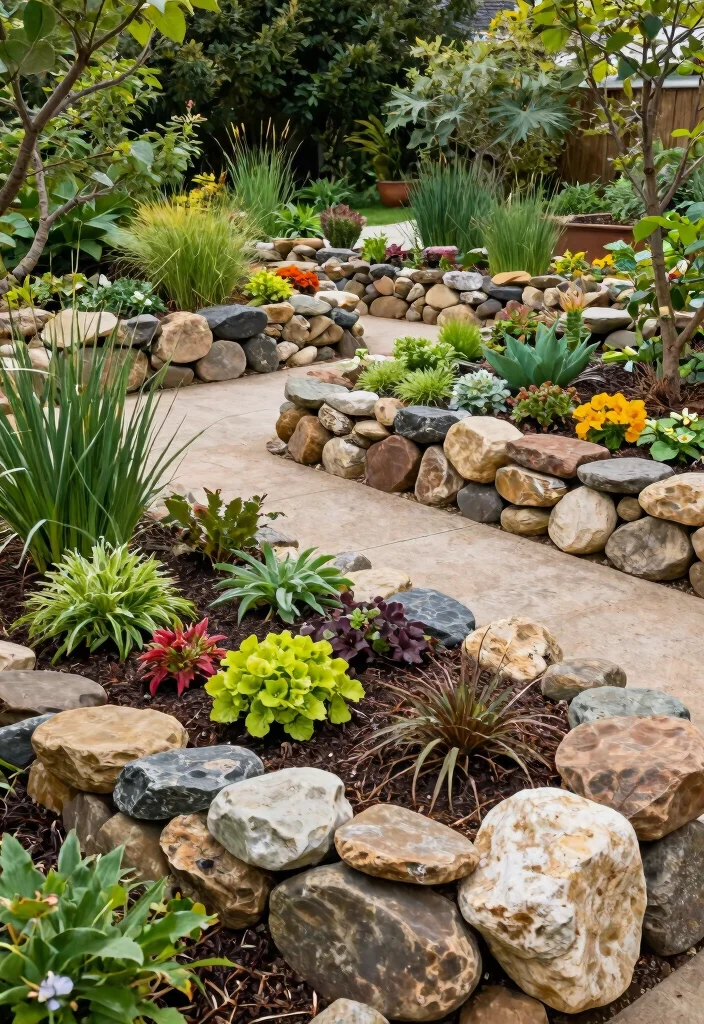
Choosing sustainable stone for your garden beds is a vital step toward eco-friendly gardening. By opting for recycled or locally sourced stones, you can minimize environmental impact while creating durable garden structures.
Look for stones abundant in your area or consider reusing materials from construction projects. This not only supports local economies but also adds unique character to your garden.
Key advantages of sustainable stone selection:
– Eco-Friendly: Reduces the carbon footprint compared to imported materials.
– Durability: Well-chosen stones provide long-lasting solutions.
– Aesthetic Variety: Natural stones come in various colors and textures.
Making this choice will not only enhance your garden’s beauty but also contribute to a healthier planet.
12. Stone Beds for Orchid Growing
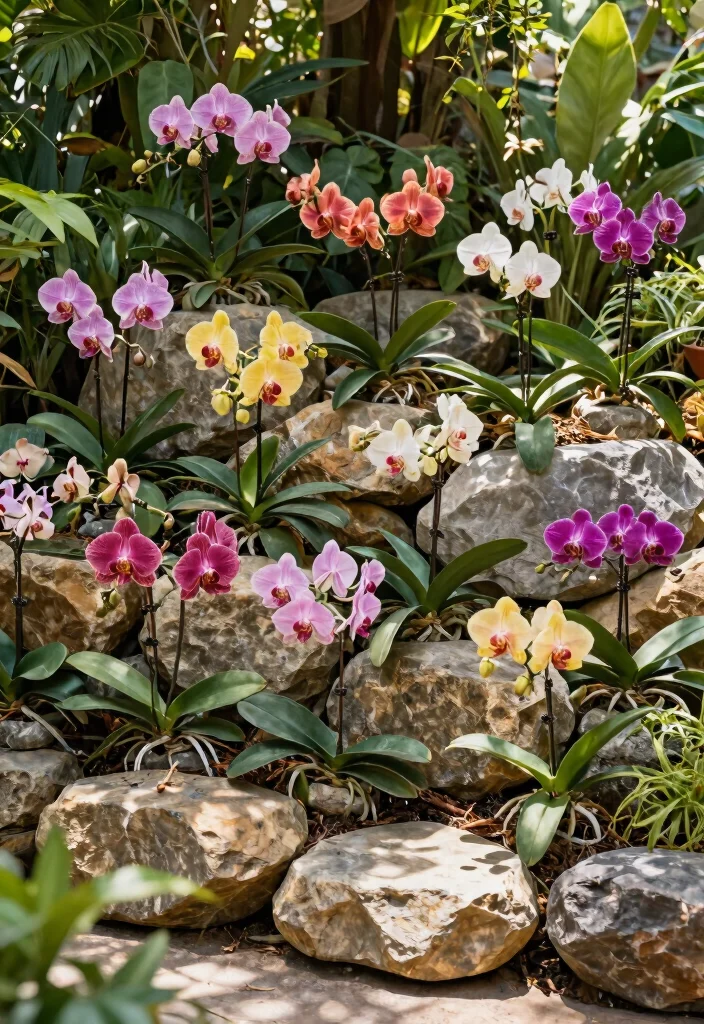
Orchids flourish in well-drained environments, making stone garden beds an ideal choice for these delicate flowers. The stones help maintain the right moisture levels while providing optimal temperature and light exposure for healthy growth.
When designing stone beds for orchids, mix stones with organic matter for the best results. This combination offers a beautiful display and creates a nurturing environment for your orchids to thrive.
Benefits of stone beds for orchids:
– Optimal Drainage: Prevents root rot by maintaining proper moisture balance.
– Visual Appeal: Enhances the beauty of orchid arrangements.
– Customization: Tailor the bed’s design to suit various orchid species.
Your orchids will thrive in these thoughtfully designed beds, combining aesthetics with functionality.
Did you know stone garden beds can boost orchid drainage by up to 40%? Pair stones with organic matter to regulate moisture and temperature—it’s a simple, powerful trick for healthier blooms in rain-prone gardens.
13. Maintenance Tips for Stone Garden Beds
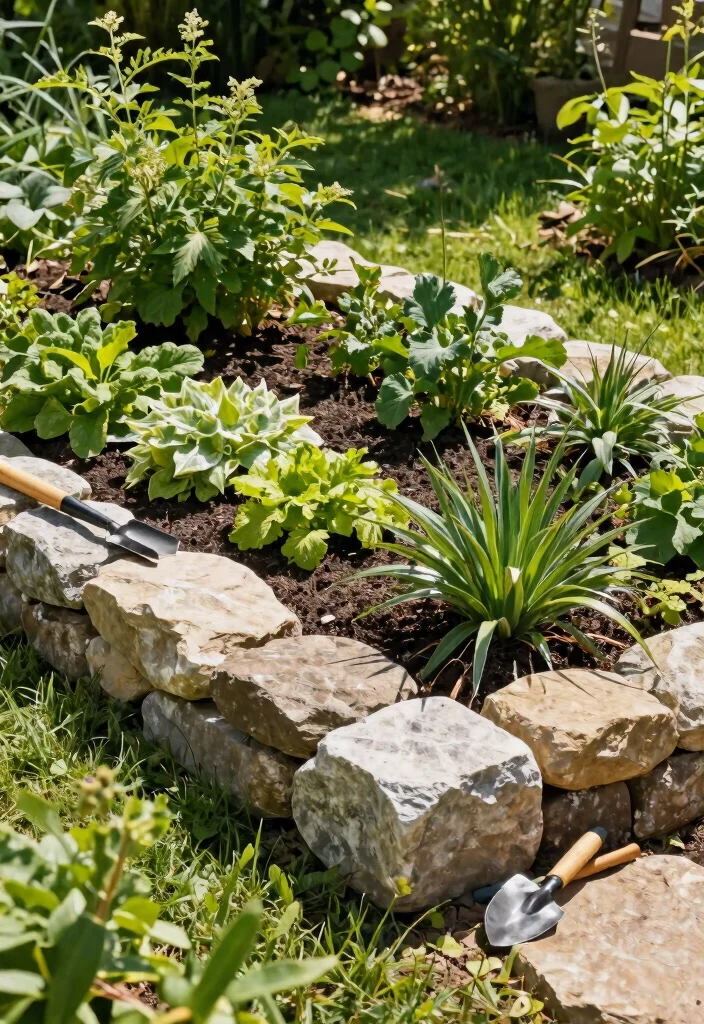
Proper maintenance of your stone garden beds ensures they remain functional and visually appealing over time. Regular care prevents weeds, erosion, and other issues that could harm plant health.
To keep your stone beds in top shape, regularly check soil moisture, remove debris, and inspect the stones for stability. Consider reseeding or introducing new plants to keep your garden vibrant and fresh.
Key maintenance tips:
– Increased Longevity: Regular care extends the life of your stone beds.
– Healthier Plants: Frequent checks support plant vitality and productivity.
– Enhanced Appearance: Upkeep keeps your garden looking its best.
With these simple maintenance practices, your stone beds will continue to thrive, adding beauty to your garden for years to come.
14. The Future of Stone Garden Beds
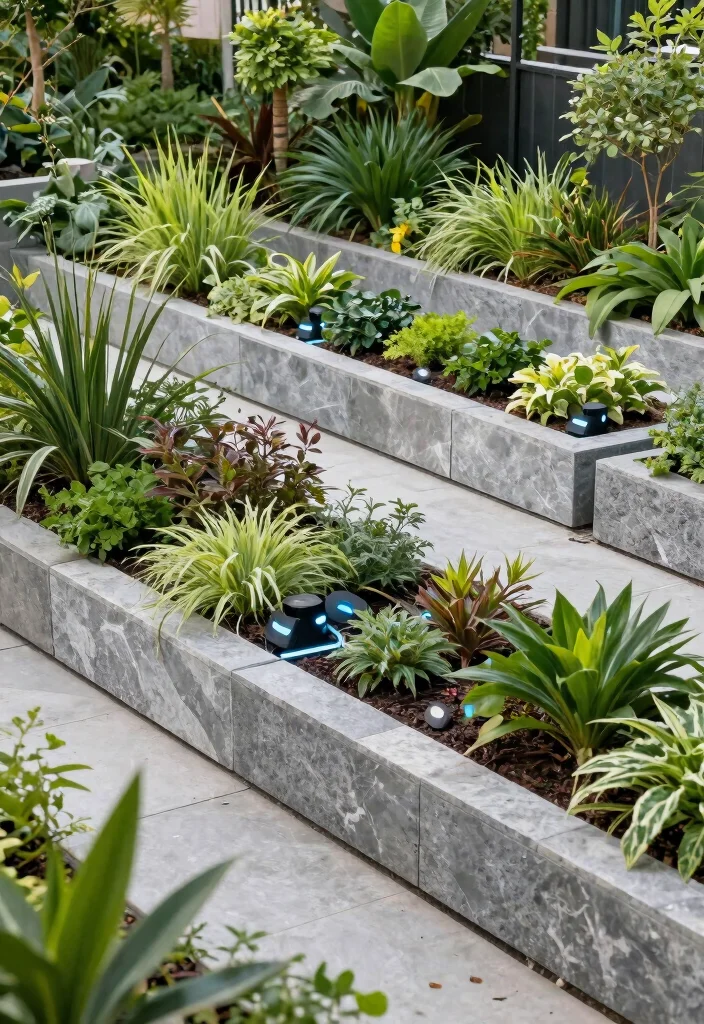
As gardening trends evolve, the future of stone garden beds is likely to focus on innovative designs that prioritize sustainability and environmental consciousness. New materials and techniques will change how we approach landscaping with stone.
Consider how these innovations can influence your gardening choices, from integrating smart irrigation systems to exploring new materials that enhance visual appeal and functionality.
Key aspects of future stone garden beds:
– Adaptation to Climate: Designs that respond to changing weather patterns.
– Technological Integration: Features like plant growth monitoring.
– Enhanced Aesthetics: Future materials will offer even greater beauty.
Embrace these forward-thinking ideas to elevate your gardening experience and contribute to a sustainable future.
Conclusion
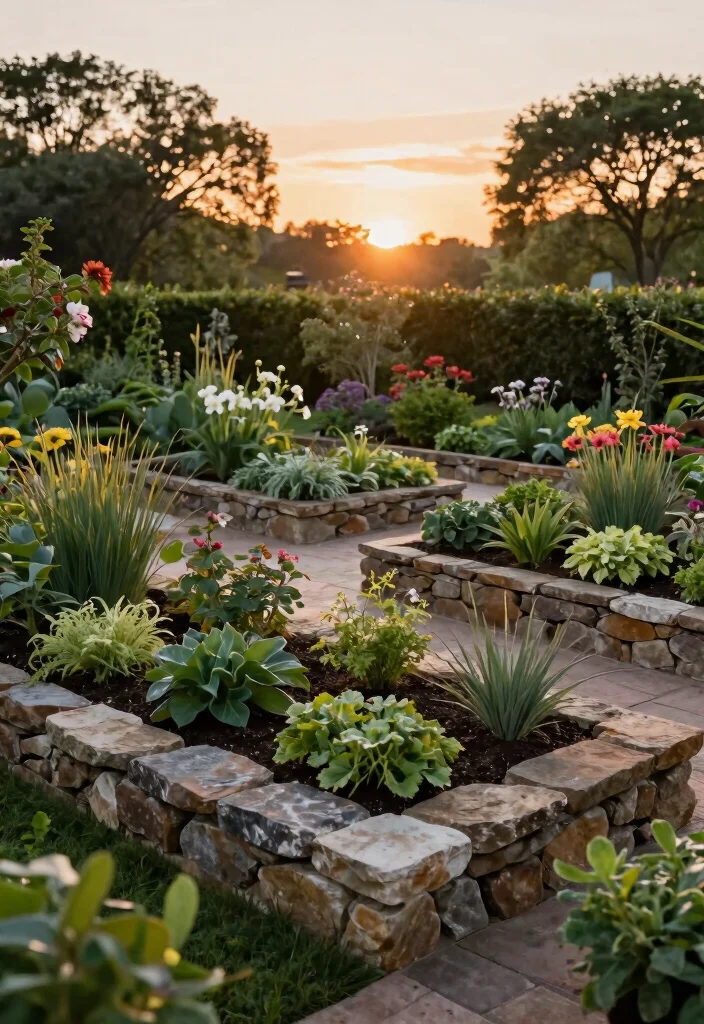
Stone garden beds are more than just a beautiful addition to your garden; they offer practical solutions for managing rainwater and preventing soil erosion. By incorporating these designs into your gardening practices, you can create a sustainable landscape that thrives even in challenging weather conditions. From classic styles to modern innovations, there’s a stone garden bed for every gardener.
As you explore these options, think about which styles resonate with you and how they can enhance your outdoor spaces. Your garden deserves the best, so consider implementing these stunning stone solutions today!
Frequently Asked Questions
How do stone garden beds help prevent soil erosion and keep soil from washing away in heavy rain?
Stone garden beds act like a shield and a sponge in rainy weather. The sturdy wall slows runoff, holds back soil, and creates a raised zone where water has time to infiltrate rather than sweep soil away. With a thoughtfully designed bed, even heavy rain drains through and around the stones, reducing erosion in the garden.
Practical steps you can take include: choose a location with a mild slope and good sun; prepare a solid base with crushed stone or gravel and lay down a geotextile fabric to keep soil from seeping into the drainage; stack stones in a stable pattern (dry-stack or mortared) and backfill with a well-draining soil mix; install a drainage trench or weep hole behind the wall to carry excess water away; add coping stones at the top to prevent soil from washing over, and mulch and plant groundcovers to anchor soil.
Using stone garden beds supports erosion control in gardens and aligns with sustainable gardening practices while acting as a garden drainage solution.
What are practical steps to build a stone garden bed that doubles as a raised bed and improves drainage?
Here’s a simple, doable plan to build a stone garden bed that doubles as raised bed and improves drainage: start by choosing a sunny spot with a gentle slope and mark the footprint. Dig a shallow trench and lay a compacted base of crushed stone or gravel; line with geotextile to keep soil from clogging the drainage. Stack stones in a stable pattern (dry-stack works well for a natural look, while mortared walls are more durable) and backfill behind them with a well-draining mix so the growing medium remains loose. Create a drainage layer behind the wall using more gravel or coarse sand, and install weep holes or a narrow trench to carry excess water away. Cap the top with flat coping stones and fill the bed with raised soil enriched for the plants you’ll grow. Finish with mulch or groundcovers to reduce splash erosion and anchor the soil.
This approach gives you a sturdy stone garden bed that doubles as raised garden beds and provides effective garden drainage solutions in a sustainable setup.
Which stone types and placement patterns work best for erosion control and durability in rainy climates?
Dense, heavy stones like basalt, granite, or limestone resist weathering and stay put, making them ideal for erosion control. For a natural look, mix sizes to build a stable wall using a dry-stack pattern or a mortared wall for extra restraint. In rainy climates, curved or terraced layouts slow water flow and create micro-terraces where soil can infiltrate. Use behind-wall drainage trenches or weep holes and ensure the wall is backed by permeable fill so water can drain rather than pool.
When planning landscaping with stone, choose robust stone that fits your climate and sustainable gardening practices. A well-graded wall with proper drainage reduces erosion control in gardens and enhances long-term durability.
How do stone garden beds compare with conventional wooden raised beds in terms of moisture retention, drainage, and maintenance?
Stone garden beds offer durability and low maintenance—no rot, warp, or frequent replacement—while still acting as effective drainage features that help water infiltrate rather than pool around plants. They’re heavy to install and require planning for structural support, but with a well-built wall and the right soil mix, they can be very moisture-friendly and drought-tolerant. Regular checks after storms for any stone shifts and topping up mulch or amended soil keep them performing well.
Overall, stone garden beds align with sustainable gardening practices and provide durable garden drainage solutions and solid erosion control in gardens compared with typical raised beds.
How can I design stone garden beds to manage rainwater runoff across a slope and integrate with other drainage or rain garden features?
Start with a site survey: map the slope and identify where water tends to collect. Build a series of shallow stone terraces or a wider rock-lined swale to slow and route runoff into an infiltration zone or rain garden. Connect these features to other drainage solutions, like connecting to downspouts, rain barrels, or a dry creek bed, so excess water is directed away from walkways and foundations. Use permeable soil mixes and plantings that help absorption in the beds to maximize effectiveness. Plan for overflow paths and ensure all edges are stable and well-drained.
By combining stone garden beds with landscaping with stone and sustainable gardening practices, you can effectively manage rainwater runoff while creating beautiful, durable garden features.
Related Topics
stone garden beds
rainwater management
raised garden beds
erosion control
sustainable gardening
landscaping with stone
garden drainage solutions
easy gardening
beginner friendly
eco-friendly practices
seasonal gardening
garden design ideas