
You can clear most water stains in under an hour with supplies you already own: dish soap, vinegar, baking soda.
The trouble hits when you treat mineral deposits the same way you treat moisture marks in wood or paint, which is where the fix goes sideways and the stain stays put.
Hard water leaves white calcium rings on glass and tile; wood stains come from trapped moisture beneath the finish.
The U.S. Geological Survey estimates more than 85 percent of households deal with hard water, which is why those cloudy spots on the shower door never quit.
1. Identify the Surface and Type of Stain
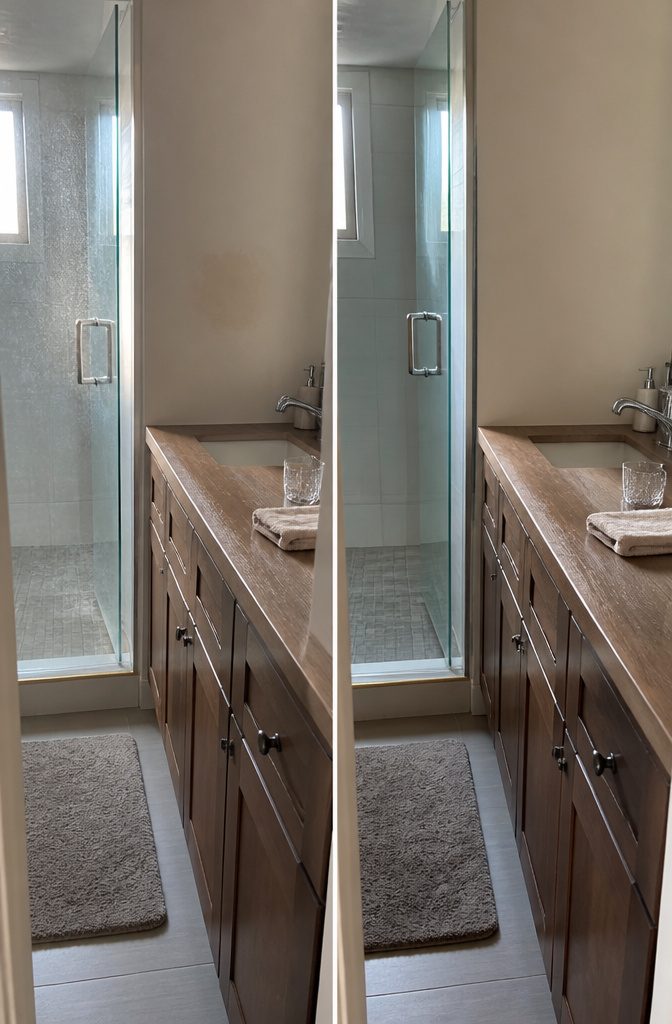
Water stains look different depending on where they land and what left them. Hard-water stains — white or cloudy rings and films made of calcium and magnesium — show up where water evaporates on fixtures, glass, tile and metal.
The minerals in the water stay behind, and over time they build into a layer that regular soap won’t touch. Shower doors and faucets catch them constantly.
Wood stains are another animal. What looks like a water mark on a table or cabinet is often moisture trapped under the finish, not minerals on top of it.
The white haze sits between the finish and the wood itself, which is why wiping the surface does nothing.
Painted walls add a third category. A mark on drywall might be from humidity seeping through, a leak behind the wall, or condensation that soaked in rather than evaporating cleanly.
The cause matters because the fix changes: scrubbing a mineral deposit off tile works, but scrubbing a moisture stain on paint can strip the finish and force a repaint.
2. Try a Mild Wall-Cleaning Solution First
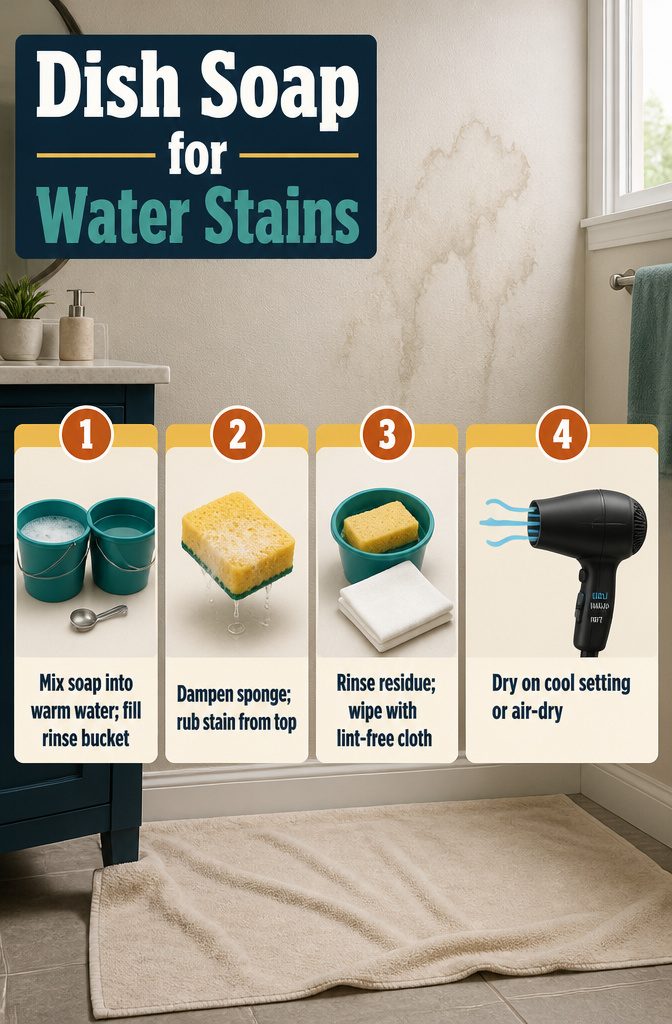
- Mix one teaspoon of dish soap into a quart of warm water in a bucket, then fill a second bucket with plain water for rinsing. Lay down a towel or drop cloth to protect the floor from drips.
- Dip a clean sponge into the soapy water and squeeze out the excess until it’s damp, not soaking. Starting at the top of the stain, work in a circular motion or from top to bottom. Rinse the sponge in the soapy water as needed.
Before you try anything more complicated, experiment with a simple solution of dish soap and warm water, at a ratio of about one to two.
- Once the stain fades, dip a fresh sponge into the plain water and rinse the area until all the soapy residue is gone. Wipe with a lint-free cloth.
- Dry the spot with a hair dryer on a cool setting, or leave it to air-dry completely.
This method fades lighter stains, though it takes considerable rubbing and may not erase the mark entirely on the first pass.
3. Use an Acidic or Household Stain Treatment If Needed
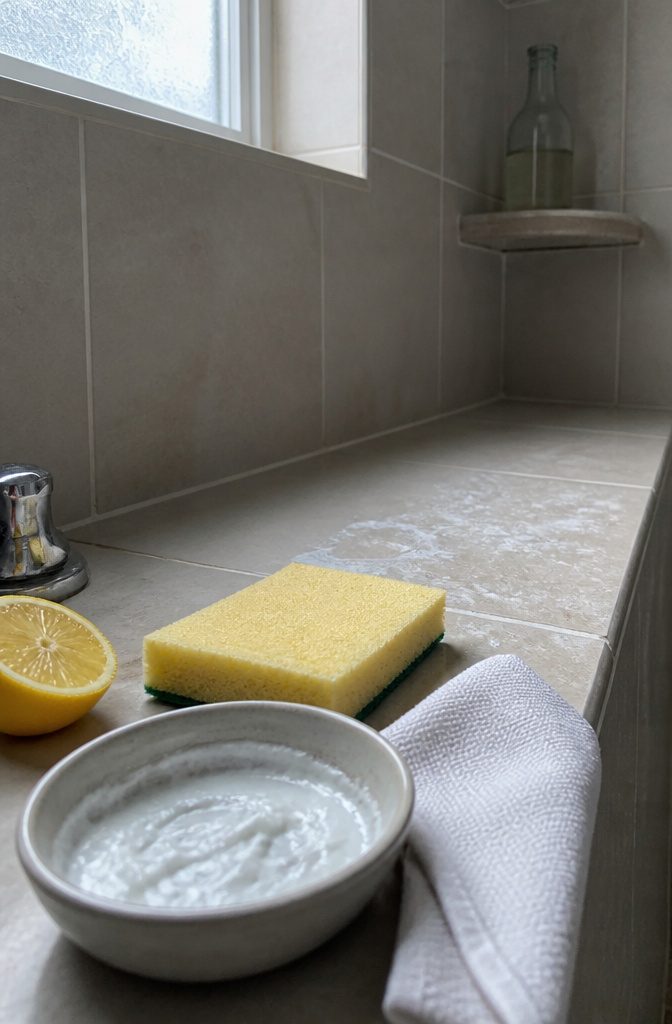
When the mild approach leaves the stain where it was, bring acidity into play.
A paste of baking soda and vinegar left on for 15–30 minutes breaks down mineral deposits well enough that a non-abrasive sponge clears most marks without much force.
Lemon juice works the same way: rub a slice over the stain, leave it there, then wet it with warm water and wipe clean. The acid dissolves what soap cannot reach.
For stubborn marks, a spray made from vinegar, lemon juice, and baking soda sits for about an hour before you wipe it away with a damp cloth.
You may need to repeat the hour-long soak if the first pass does not clear it completely. A lighter version uses four tablespoons of lemon juice to one cup of water and skips the fizzing drama.
Do not use vinegar on natural stone or granite. It etches the surface.
Reach for pH-neutral cleaners instead. Surface-specific commercial removers handle tile and grout well, and steam works when scrubbing does not.
4. Treat Wood Marks With a Method Suited to the Finish and Stain
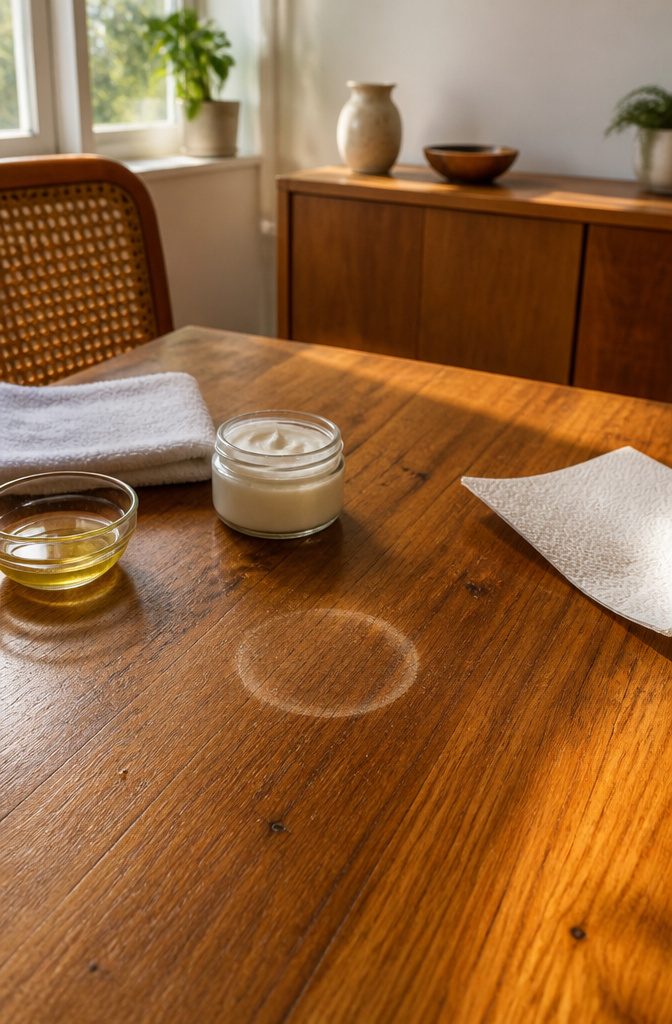
Wood water stains respond to different treatments depending on whether the mark sits in the finish or the wood itself.
Mix equal parts vinegar and olive oil, apply it with a cloth, and wipe along the grain until the stain lifts. Afterward, wipe the surface dry with a clean cloth.
Baking soda works too: combine one tablespoon baking soda with one teaspoon water to form a paste, or substitute one tablespoon of salt.
Rub gently with the grain, then polish. Non-gel toothpaste applied to a cloth and buffed over the stain removes cloudiness without discoloring the finish — gel toothpaste can stain, so skip it.
For stubborn marks, spread mayonnaise or petroleum jelly over the stain, cover with a paper towel, and leave it for a few hours or overnight.
The oil pulls moisture out of the wood. Wipe away the residue in the morning and polish.
An iron on low heat pressed over a cloth for a few seconds at a time lifts stains that are still damp. Check between presses to see if the mark is fading, then repeat until satisfied.
Never flood the wood with water while treating it, and avoid aggressive rubbing that can damage the finish.
5. Remove Residue and Dry or Polish the Surface
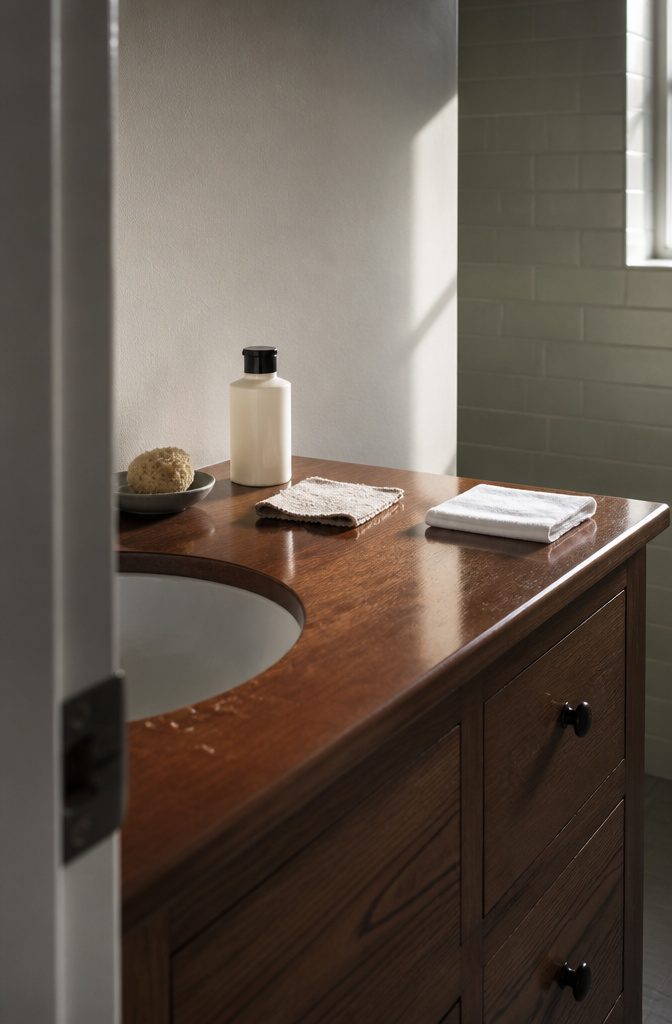
Once the stain lifts, wipe away any cleaner or moisture with a clean, dry cloth so residue does not sit on the surface.
For walls cleaned with a soapy solution, rinse the area with a second sponge dipped in plain water to pull off any soap film left behind.
Work gently in the same circular motion, then blot the spot dry with a lint-free cloth.
If you used a hair dryer on a cool setting to dry the wall during treatment, let the surface air-dry completely after the final rinse.
Wood treated with toothpaste, mayonnaise, or a vinegar-and-olive-oil mix needs a pass with wood polish after the residue comes off. That brings back the shine and seals the finish where the stain remover might have dulled it.
Skip the polish on walls or other non-wood surfaces. Leave the surface dry, free of cleaner, and undamaged.
6. Prevent Water Stains From Returning
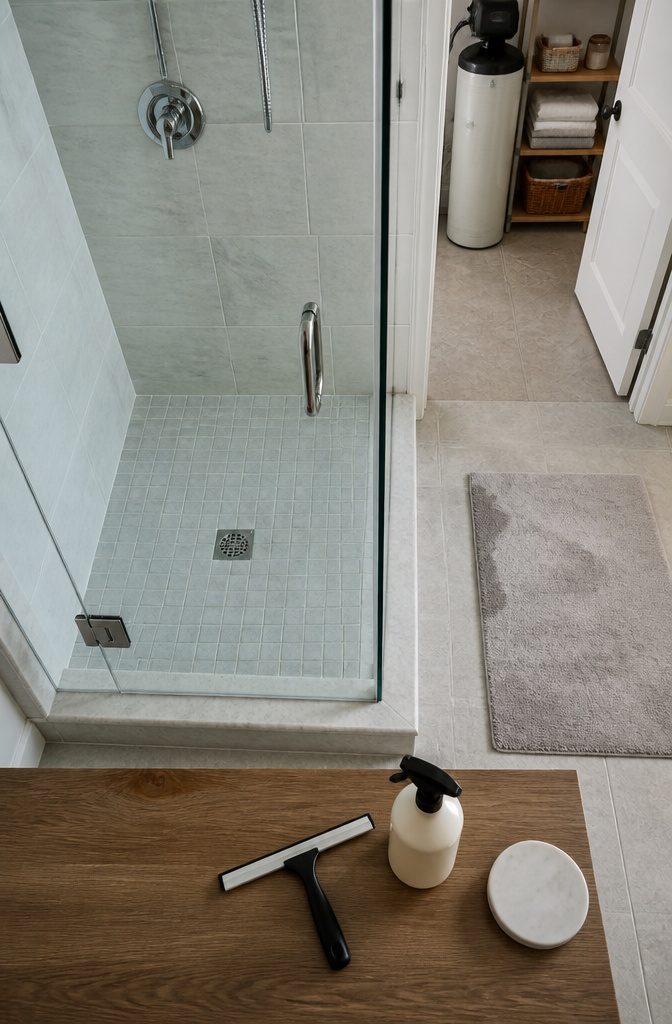
Once the stain is gone, keeping it that way comes down to keeping water and minerals from sitting on the surface. A few habits go a long way:
- Wipe wet surfaces promptly. Water left to dry is water leaving minerals behind. Glass shower doors, bathroom fixtures, counters near the sink — anything that gets splashed should get dried.
- Treat the water itself. A softener or filter strips out the calcium and magnesium before they reach your faucets. The mineral load drops, the stains stop forming.
- Apply a protective coating to glass and metal. Products like Rain-X form a barrier that sheds water instead of letting it cling. The droplets roll off before they dry into spots.
- Use coasters, pads or mats on wood surfaces. They keep moisture from reaching the finish in the first place, which beats treating a ring after it forms.
- Seal wood with a quality finish. HOPE’S 100% Pure Tung Oil, Waterproof Natural Wood Finish and Sealer ($19, Amazon) creates a protective layer that blocks moisture from penetrating the grain.
All of these limit the amount of mineral deposits or standing water that can reach the surface, which is what causes the stain to develop.
Why Hard-Water Stains Form and Why They Matter
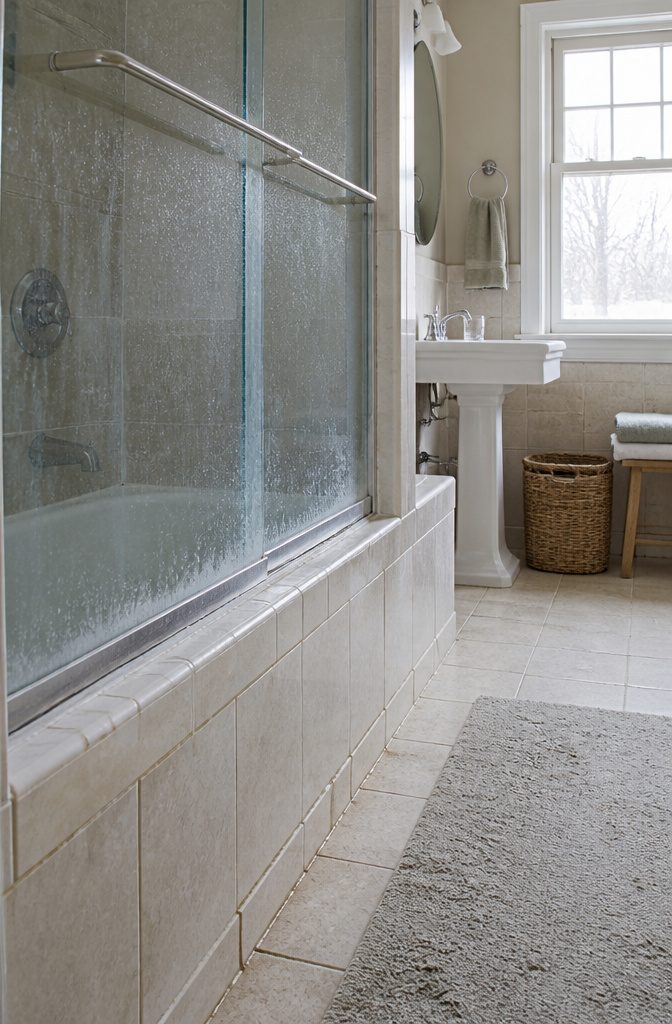
Hard water leaves stains when dissolved minerals—mostly calcium and magnesium—stay behind after the water evaporates.
The U.S. Geological Survey estimates more than 85 percent of U.S. households have hard water, which explains why these white, chalky deposits show up on so many surfaces.
Water picks up the minerals as it moves through limestone and chalk underground, and every time it dries on a shower door or faucet, the residue builds.
You’ll spot hard-water stains most often on bathroom tiles and tubs, shower doors, sinks and faucets, dishes and glassware, and kitchen appliances.
Any surface that sees regular water contact is vulnerable. The stains start as a light film, but they get harder to remove over time.
Left untreated, mineral buildup can etch glass and tile, turning temporary stains into permanent damage. It also clogs plumbing, reduces appliance efficiency, and forces you into more frequent deep cleaning.
Are Hard Water Stains Permanent
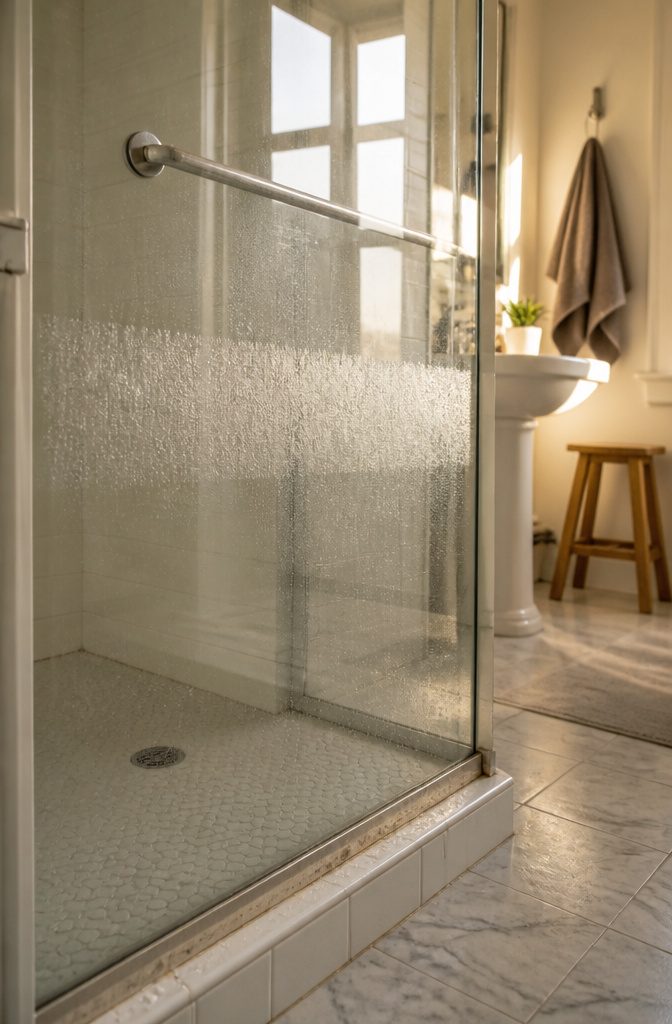
Left alone, hard water stains can etch into a surface and become permanent. The minerals in the deposit sit against the material long enough that they stop being something you wipe off and start being a texture you’re stuck with.
Glass gets cloudy, chrome loses its shine, and tile develops a haze that no amount of scrubbing brings back to smooth.
The difference between a stain you remove in ten minutes and one that requires refinishing comes down to how often you clean.
Letting water sit and evaporate repeatedly in the same spot gives the minerals time to bond with the surface.
A shower door cleaned weekly stays clear. The same door left for months can need replacement.
Water softeners help by reducing the calcium and magnesium that cause the staining in the first place.
Fewer minerals in the water means fewer deposits left behind when it dries. Combine that with regular cleaning and you avoid the point where a stain crosses over into permanent damage.
Prevention Products and Water Treatment
I stopped using the same cleaning routine everywhere after realizing hard-water stains kept coming back on glass but not on stainless steel. The difference came down to what was in the water, not what I was wiping with.
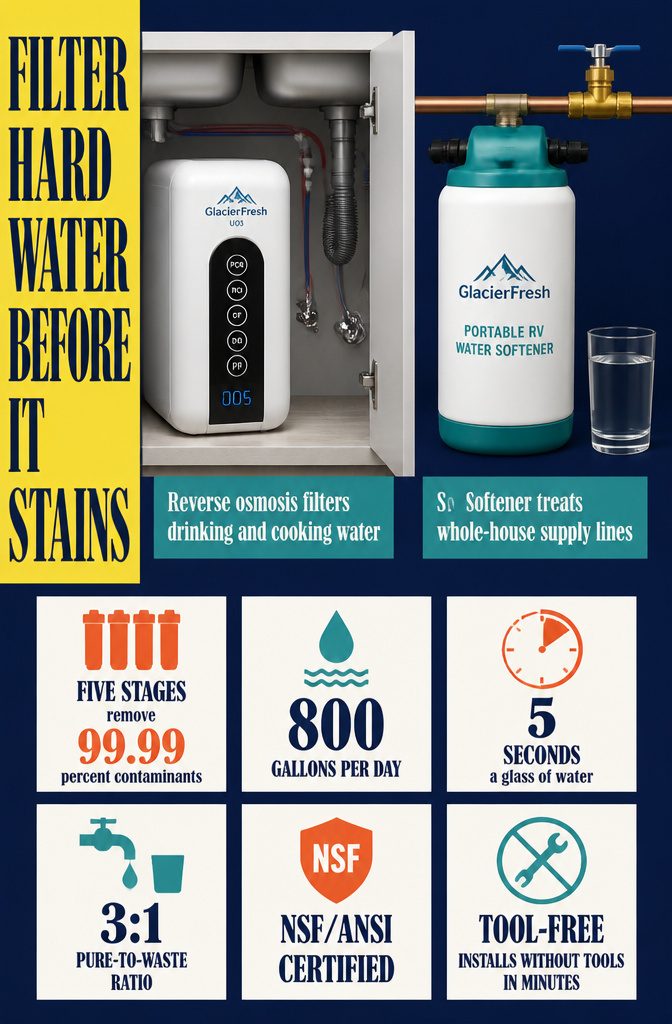
A reverse osmosis filter for drinking and cooking water, paired with a softener for the rest of the house, cuts off the problem before it reaches the surface.
The GlacierFresh Under-Sink Reverse Osmosis System (U03) pulls out 99.99 percent of calcium, magnesium, fluoride, chlorine and PFAS through five filtration stages.
It fits under the sink without a separate tank, installs without tools, and moves 800 gallons per day at a 3:1 pure-to-waste ratio. NSF/ANSI certified, it delivers a glass of water in 5 seconds and keeps scale from building up inside appliances.
For RVs or spaces where plumbing access is limited, the GlacierFresh Portable RV Water Softener goes in without tools in a few minutes and stores flat when you are done.
The softener handles supply lines; the filter handles what you drink and cook with.
Frequently Asked Questions
Are hard water stains permanent?
If left untreated, hard water stains can etch into surfaces and become permanent. The minerals bond with the material over time, turning a removable film into a texture that won’t wipe off.
Regular cleaning and a water softener reduce the calcium and magnesium that cause staining, preventing deposits from reaching the point where they damage the surface permanently.
Can I use vinegar on all surfaces?
No.
Vinegar works well on tile, glass, and metal, but it etches natural stone and granite. Use a pH-neutral cleaner on those surfaces instead.
How can I remove hard water stains from my bathroom tiles?
Start with a paste of baking soda and vinegar left on for 15–30 minutes, then wipe with a non-abrasive sponge.
For stubborn marks, spray a mix of vinegar, lemon juice, and baking soda, let it sit for about an hour, then wipe clean with a damp cloth. Repeat the soak if the first pass doesn’t clear it completely.
Does WD-40 remove hard water stains from glass?
A paste of baking soda and vinegar, or a spray with vinegar and lemon juice, breaks down mineral deposits on glass when left for 15 minutes to an hour.
After treating the stain, apply a protective coating like Rain-X to keep water from clinging and forming new spots.
Can vinegar remove water stains?
Yes, vinegar dissolves mineral deposits when soap won’t. Mix it with baking soda into a paste and leave it on for 15–30 minutes, or combine it with lemon juice in a spray and let it sit for an hour.
On wood, mix equal parts vinegar and olive oil, then wipe along the grain until the stain lifts.
Should I use a filter or a softener?
Use both.
A reverse osmosis filter handles drinking and cooking water, pulling out calcium, magnesium, and other contaminants. A softener treats the whole-house supply to stop mineral buildup on fixtures, appliances, and plumbing.